

- By ayla tj
- November 14, 2025
- Logistics Guide
Global demand for toys continues to rise rapidly, which is why many importers depend on reliable toys shipping China to Europe services to keep supply chains stable. However, toy products involve strict safety regulations, packaging rules, and customs requirements that can slow delivery if not handled correctly. With the right logistics strategy, importers can minimize delays, reduce shipping costs, and ensure full compliance throughout the journey.

1. What Makes Toys Shipping China to Europe Unique and More Regulated?
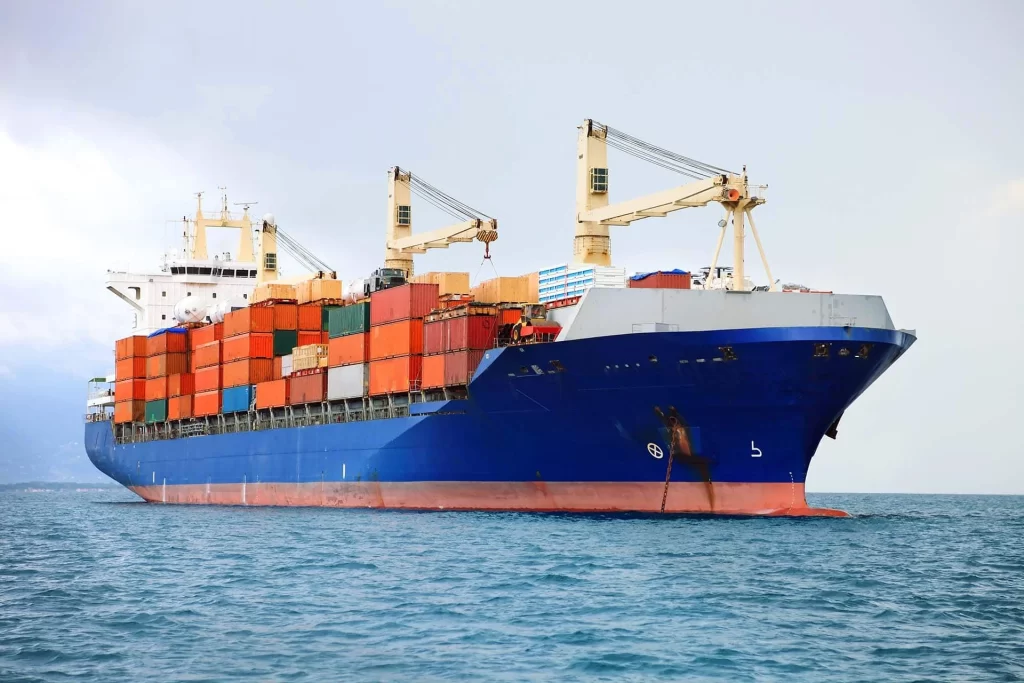
Toy imports fall into a heavily controlled category in Europe because safety certification, labeling rules, and product testing requirements are mandatory. Moreover, toys for children under 14 must comply with EN71 standards, CE marking, and chemical content regulations. Therefore, importers must plan documentation, packaging standards, and customs paperwork carefully to avoid penalties or shipment rejection during entry.
2. Why Do Importers Choose Toys Shipping China to Europe for Large-Scale Distribution?
Europe is one of the world’s largest toy markets, and Chinese factories provide competitive production costs, flexible customization, and rapid manufacturing cycles. Additionally, Europe’s unified customs system under the EU allows efficient distribution once goods clear at the first entry port. Consequently, importers achieve faster delivery schedules and improved supply chain efficiency for bulk shipments.
3. What Shipping Methods Are Best for Toys Shipping China to Europe?
Choosing the right transportation mode is critical because toys vary greatly in size, material, and sensitivity. Below is a detailed comparison.
| Shipping Method | Avg. Cost | Transit Time | Best Use Case | Pros | Cons |
|---|---|---|---|---|---|
| Sea Freight FCL | Low | 28–40 days | Bulk toys | Cheapest per CBM | Long delivery time |
| Sea Freight LCL | Medium | 32–45 days | Mixed small toys | Flexible & affordable | More handling |
| Air Freight | Higher | 6–10 days | High-value toys | Faster & secure | More expensive |
| Express Courier | Highest | 4–7 days | Small parcels | Door-to-door | Highest cost |
| Rail Freight | Medium | 15–22 days | Mid-volume toys | Balanced speed & price | Limited coverage |
Because toy shipments often come in cartons with varied shapes, consolidating loads optimizes costs and reduces damage risks.
4. How Much Does Toys Shipping China to Europe Cost in 2025?
Shipping costs depend on weight, volume, packaging type, and toy materials (plastic, metal, electronics, plush). Below is a general pricing reference.
| Shipment Type | Estimated Cost (USD) |
|---|---|
| LCL (1 CBM) | $65–$110 |
| 20GP FCL | $1,450–$2,200 |
| 40HQ FCL | $2,300–$3,600 |
| Air Freight (100–300 kg) | $5.2–$7.8/kg |
| Air Freight (300+ kg) | $4.1–$6.5/kg |
| Express (0.5–30 kg) | $10–$15/kg |
Additionally, peak seasons such as Christmas and summer holidays can increase freight rates by 10%–25%. Therefore, forward planning helps maintain stable budgets.
Are you ready to book?
Access live instant freight quotes
5. What Documents Are Required for Toys Shipping China to Europe?
Toy shipments require multiple compliance documents due to safety and child-protection regulations. Below is a comprehensive checklist.
| Document | Required For | Notes |
|---|---|---|
| Commercial Invoice | All shipments | Must include HS code & value |
| Packing List | All shipments | Required for EU customs |
| Bill of Lading/AWB | Sea/Air | Must match cargo |
| Certificate of Conformity | ALL toys | Required for CE marking |
| EN71 Test Report | Plastic & mechanical toys | Safety standard proof |
| MSDS | Electronic toys | Mandatory for batteries |
| Declaration of Conformity | EU imports | Must be signed |
| Importer EORI | Customs entry | Required for all importers |
Because Europe enforces strict chemical limits under REACH standards, proper testing is essential before shipping.
6. How Long Does Toys Shipping China to Europe Take?
Transit time varies depending on shipping mode, departure port, and customs efficiency. This table gives a realistic overview.
| Route | Transit Time |
|---|---|
| Shenzhen → Rotterdam (FCL) | 28–40 days |
| Ningbo → Hamburg (LCL) | 32–45 days |
| Guangzhou → Paris (Air) | 6–10 days |
| Hong Kong → Frankfurt (Express) | 4–7 days |
| Xi’an → Warsaw (Rail) | 15–22 days |
Unexpected customs checks, port congestion, or incomplete documentation may extend total delivery time by several days.
7. What Are the Safety & Compliance Requirements for Toys Shipping China to Europe?

Toy regulations in Europe are stricter than in most global markets. Therefore, every importer must understand compliance fundamentals. Key requirements include:
- CE marking on packaging
- EN71 mechanical and chemical testing
- Age-grade labeling
- Warning statements for detachable parts
- Battery safety certifications for electronic toys
- Packaging durability and material compliance
Additionally, proper labeling prevents customs delays and protects brand reputation.
8. How to Choose the Best Shipping Mode for Different Types of Toys?
Toy categories differ in fragility, cost, and regulatory sensitivity. Therefore:
- Plastic toys: Usually shipped by sea freight due to volume.
- Electronic toys: Prefer air shipping to protect battery components.
- Plush toys: Require moisture protection during sea transit.
- High-value collectibles: Best via air freight for fast, secure delivery.
Choosing the right mode depends on your target delivery schedule and budget.
9. How to Reduce Damage Risk During Toys Shipping China to Europe?
Because toy cartons differ in shape and weight, importers can reduce damage risk by:
- Reinforcing packaging corners
- Adding humidity protection in sea containers
- Keeping cartons under 22–25 kg
- Using double-wall export cartons
- Applying pallet stretch film
Moreover, proper labeling (“Fragile,” “Do Not Stack”) significantly reduces rough handling during transloading.
10. What Are the Pros and Cons of Air vs Sea vs Rail for Toy Imports?
Below is a comparison to help importers decide efficiently.
| Mode | Pros | Cons |
|---|---|---|
| Sea Freight | Lowest cost | Slowest transit |
| Air Freight | Fast, secure | Higher cost |
| Rail Freight | Balanced cost/time | Limited availability |
| Express | Fastest, convenient | Most expensive |
Conclusion
Efficient toys shipping China to Europe requires a precise balance of cost control, compliance management, and reliable delivery scheduling. Because toy regulations in Europe are strict, importers must ensure correct testing, labeling, and documentation before cargo departs from China. By choosing the right freight method, planning ahead, and partnering with experienced logistics specialists, you can reduce risks, avoid costly delays, and maintain a strong supply chain for your toy business across Europe.
FAQ
1. Do toy shipments need CE certification before entering Europe?
Yes. All toys imported into Europe must carry CE marking, supported by test reports and declarations of conformity to meet EU safety requirements.
2. Can I ship mixed toy categories in one container?
You can, but ensure every product has separate documentation, testing, and compliance labels to avoid customs complications or inspection delays during entry.
3. How can I avoid customs delays for toy imports into Europe?
Submit complete documents, verify HS codes, ensure testing certificates are valid, and pre-announce shipments. Proper preparation greatly reduces the risk of customs inspections.
4. Are electronic toys more complicated to ship than plastic toys?
Yes. Electronic toys involve battery compliance, MSDS forms, UN38.3 testing, and stricter safety checks. Proper documentation prevents major customs clearance issues.
5. What packaging is recommended for fragile or collectible toys?
Reinforced cartons, bubble cushioning, and moisture barriers protect high-value toys. Because transit can be rough, upgraded packaging helps prevent breakag