

- By ayla tj
- November 14, 2025
- Logistics Guide
Efficient cargo handling China to Singapore is essential for businesses shipping goods between two of Asia’s busiest trade hubs. However, many companies struggle with customs processes, tight delivery schedules, and strict logistics coordination. With the right planning and professional support, your shipments can move faster, cost less, and stay fully compliant from origin to destination.
1. What Is Cargo Handling China to Singapore and Why Does It Matter?
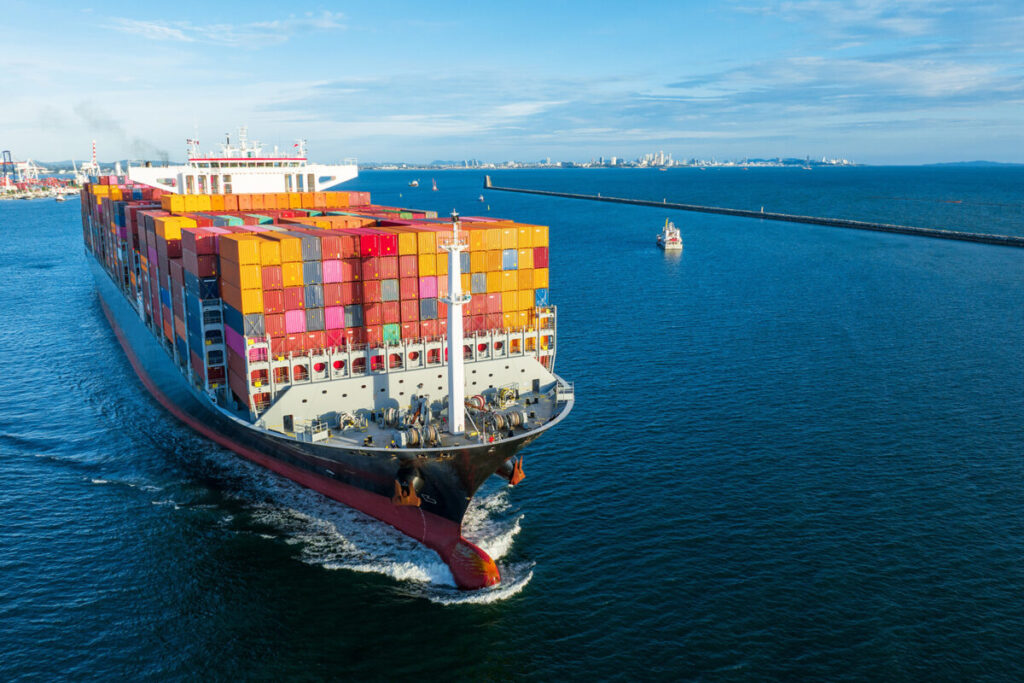
Cargo handling China to Singapore refers to the complete process of managing goods from Chinese factories or warehouses to Singaporean ports, airports, and distribution hubs. Moreover, this includes loading, unloading, sorting, labeling, palletizing, customs documentation, and last-mile coordination. Because Singapore is a high-efficiency logistics hub, meeting operational standards is critical for avoiding delays.
2. How Does the Cargo Handling Process Work Between China and Singapore?
A well-managed process typically includes cargo pickup, warehouse consolidation, export declaration, international shipping, customs clearance, and final distribution. Additionally, each stage requires accurate documentation and strict coordination across carriers, warehouses, and customs authorities. Therefore, importers must plan every step carefully to maintain smooth transit flow.
3. What Shipping Methods Support Cargo Handling China to Singapore?
Different shipment types require different freight solutions. Below is a detailed comparison of the most commonly used modes.
| Mode | Avg. Cost | Transit Time | Best Use | Pros | Cons |
|---|---|---|---|---|---|
| Sea FCL | Low | 5–9 days | Bulk cargo | Cost-effective | Requires high volume |
| Sea LCL | Medium | 7–12 days | Small shipments | Flexible & economical | More handling |
| Air Freight | Higher | 1–3 days | Urgent cargo | Fastest | High cost |
| Express Courier | High | 1–4 days | Small parcels | Door-to-door | Expensive |
| Rail + Air | Medium | 6–10 days | Mid-volume freight | Balanced speed/cost | Limited routes |
Because Singapore is close to China, sea freight remains the most cost-effective for large volumes, while air freight is best for high-value or urgent goods.
4. What Are the Estimated Freight Costs for Cargo Handling China to Singapore?
Costs vary by cargo type, weight, route, and delivery schedule. Below is a useful reference for planning.
| Cargo Type | Estimated Cost (USD) |
|---|---|
| LCL (1 CBM) | $25–$50 |
| FCL 20GP | $450–$900 |
| FCL 40HQ | $750–$1,350 |
| Air (45–100 kg) | $4.0–$6.5/kg |
| Air (300+ kg) | $3.0–$5.0/kg |
| Express | $6.5–$10.5/kg |
Additionally, fuel surcharges, peak-season fees, and special handling requirements (e.g., fragile goods) may influence final pricing.
Are you ready to book?
Access live instant freight quotes
5. What Documents Are Required for Cargo Handling China to Singapore?
Trade between the two countries is efficient, but customs compliance remains vital. Below is a complete checklist.
| Document | Required For | Notes |
|---|---|---|
| Commercial Invoice | All goods | Includes HS code & value |
| Packing List | All cargo | Must match cartons |
| Bill of Lading / AWB | Sea/Air | Primary shipping proof |
| Certificate of Origin | Some goods | May reduce duties |
| MSDS | DG cargo | Mandatory for hazardous items |
| Import Permit | Regulated goods | Food, electronics, pharma |
| Customs Declaration | Singapore entry | Filed by broker |
Singapore’s customs system is highly efficient, but accurate documentation prevents unnecessary inspections.
6. How Long Does Cargo Handling China to Singapore Take?
Because Singapore is geographically close, shipping timelines are shorter than most international routes.
| Route | Transit Time |
|---|---|
| Shanghai → Singapore (Sea) | 5–9 days |
| Shenzhen → Singapore (Sea) | 4–8 days |
| Qingdao → Singapore (Sea) | 6–10 days |
| Guangzhou → Singapore (Air) | 1–3 days |
| Hong Kong → Singapore (Express) | 1–3 days |
However, customs checks, port congestion, and incomplete cargo documentation can extend timelines.
7. What Are the Key Steps in Effective Cargo Handling China to Singapore?
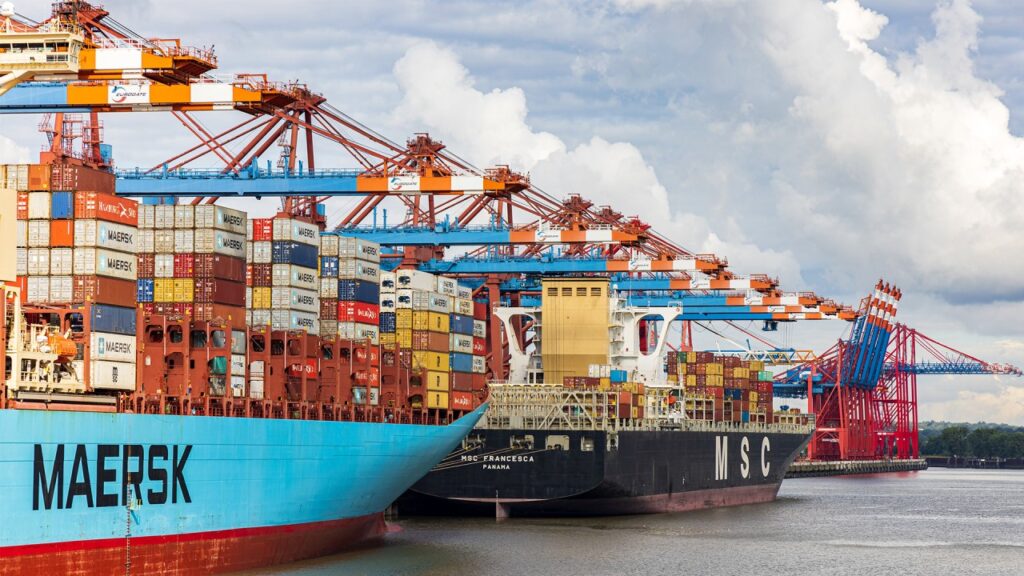
Smooth cargo handling involves multiple coordinated steps, including:
- Shipment consolidation and cargo sorting
- Palletization and packaging optimization
- Export documentation preparation
- Container loading and safety inspection
- Carrier booking and scheduling
- Customs clearance at destination
- Final distribution across Singapore
Additionally, using digital tracking tools improves visibility across the entire supply cha
8. How to Reduce Risk and Avoid Delays When Shipping Cargo to Singapore?
Delays often result from incorrect documents, inconsistent packaging, or missed schedules. Therefore, importers should:
- Use proper HS codes
- Verify carton labels
- Consider pre-clearance services
- Maintain accurate product data
- Partner with experienced freight forwarders
- Book space early during peak seasons
Moreover, strong communication with carriers reduces transit uncertainties.
9. What Are the Pros and Cons of Sea vs Air Freight for China-to-Singapore Shipping?
Below is a fast comparison of major freight modes.
| Mode | Pros | Cons |
|---|---|---|
| Sea Freight | Lowest cost | Slower transit |
| Air Freight | Fast & secure | Higher cost |
| Express | Convenient | Most expensive |
Choosing the right mode depends on urgency, budget, and cargo sensitivity.
10. How to Choose the Right Cargo Handling Partner for China-to-Singapore Logistics?
Importers should consider a provider’s experience, service scope, technology integration, and customs expertise. Additionally, evaluating warehouse capacity, local distribution capabilities, and customer support ensures long-term stability. Therefore, selecting a partner skilled in import/export regulations protects your supply chain from costly disruptions.
Conclusion
Efficient cargo handling China to Singapore requires reliable coordination, accurate documentation, and the right choice of shipping mode. Because Singapore maintains high import and logistics standards, businesses must ensure compliance across every step—from packaging to customs clearance. By partnering with experienced logistics specialists and planning shipments strategically, companies can minimize delays, reduce costs, and maintain strong supply chain performance throughout the region.
FAQ
1. Do I need a customs broker for China-to-Singapore shipments?
Although not required for all goods, a customs broker helps process declarations, reduces clearance time, and ensures your cargo meets Singapore’s regulatory requirements.
2. Can I consolidate shipments from multiple Chinese suppliers?
Yes. Consolidation reduces cost per CBM and simplifies customs entry. A logistics provider can combine items into one shipment for smoother handling.
3. Are fragile goods safe during cargo handling?
With proper packaging, palletization, and labeling, fragile items move safely. Using reinforced cartons and shock protection adds further security during transit.
4. How can I improve tracking visibility for shipments to Singapore?
Digital tracking platforms, automated updates, and integrated supply chain systems help importers monitor cargo status from pickup to final delivery.
5. Does Singapore require import permits for certain g
Yes. Electronics, telecommunications devices, pharmaceuticals, and food items often require specific permits that must be obtained before cargo arrival.