

- By kelly
- November 14, 2025
- Logistics Guide
Trusted Customs Clearance from Shenzhen to Germany: Your Complete Guide
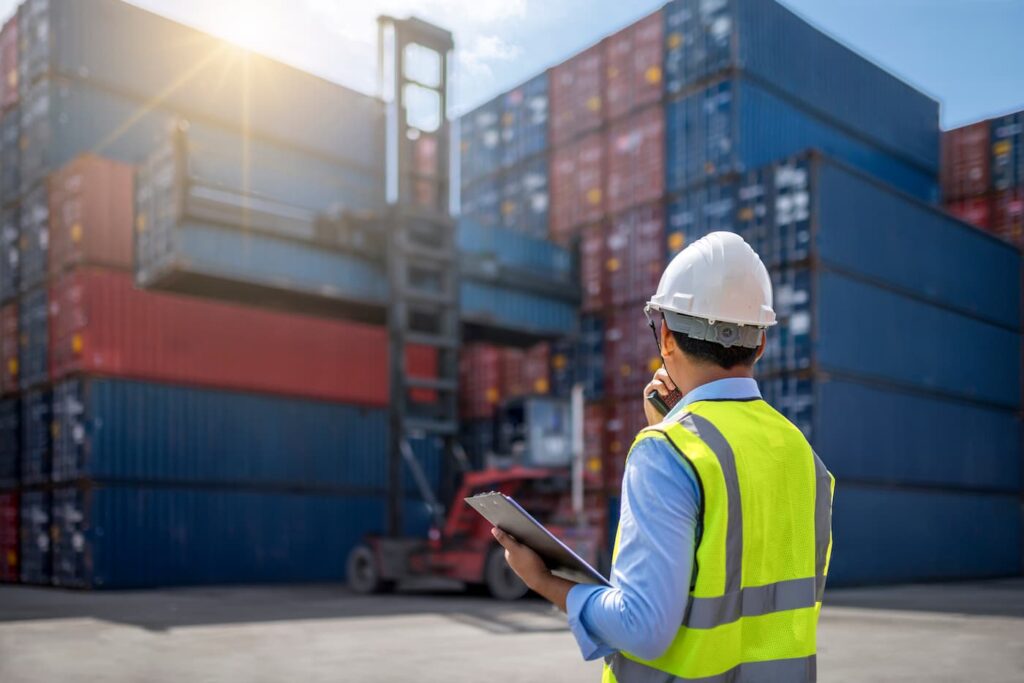
When shipping from China to Germany, trusted customs clearance from Shenzhen to Germany is a vital step to avoid costly delays and regulatory issues. Whether you’re importing electronics, machinery, or fashion items, proper documentation and reliable clearance support can make or break your logistics flow. This article will guide you through every essential element, from documents to transit times, ensuring your cross-border freight moves smoothly and compliantly.
1. Why Is Customs Clearance So Important in China-Germany Trade?
Customs clearance ensures your goods legally enter and exit international borders. However, non-compliance can result in delays, fines, or product seizures. Therefore, working with a trusted customs broker or freight forwarder simplifies this process, reduces risks, and speeds up final delivery.
Key Impacts of Poor Clearance:
- Unexpected storage charges at ports
- Goods stuck in bonded zones
- Missed delivery deadlines
- Legal penalties for misdeclared items
2. What Is the Customs Clearance Process from Shenzhen to Germany?
The customs clearance process covers both export procedures in Shenzhen and import regulations in Germany. Here’s an overview of the key steps:
| Phase | Description | Responsible Party |
|---|---|---|
| Export Filing | China customs checks HS code, value, documents | Exporter/Freight Forwarder |
| Origin Inspection | Physical or document-based checks (randomized) | Chinese Customs |
| Export License | Certain goods need export permits (e.g., tech, chemicals) | Exporter |
| Import Declaration | Entry Summary Declaration (ENS) in Germany | Importer or Broker |
| Duty & VAT Payment | Based on product classification and invoice | Importer |
| Release to Warehouse | Final delivery after customs approval | Logistics Provider |
3. What Documents Are Required for Customs Clearance?
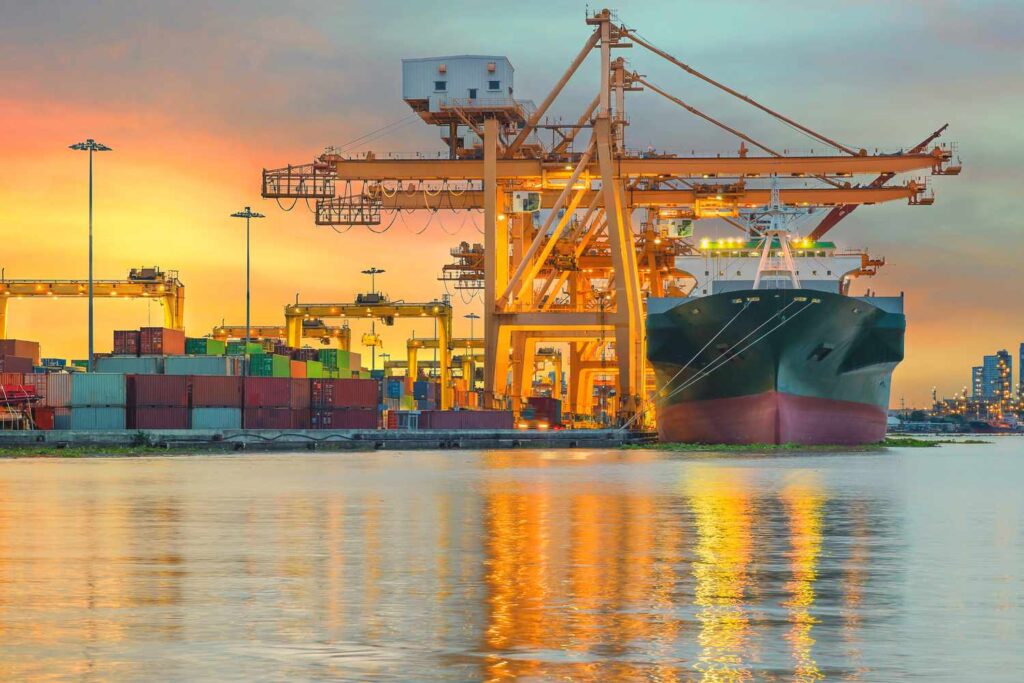
Both Chinese and German customs demand complete and accurate paperwork. Here’s a customs documents checklist you can reference:
| Document | Description | Issued By |
|---|---|---|
| Commercial Invoice | Declares transaction value | Exporter |
| Packing List | Detailed list of items per box/pallet | Exporter |
| Bill of Lading / AWB | Proof of shipment | Carrier or Freight Forwarder |
| Export Declaration | Legal requirement in China | Customs Broker |
| Import Declaration (Germany) | Electronic entry submission | Importer or Agent |
| Certificate of Origin | Confirms product source | Chamber of Commerce |
| CE Certificate | For electronics and regulated goods | Manufacturer |
| EORI Number | Mandatory EU importer ID | Importer |
4. How Long Does Customs Clearance Take in Shenzhen and Germany?
Clearance time depends on shipment mode, accuracy of documents, and whether inspections are required.
| Stage | Location | Average Time |
|---|---|---|
| Export Clearance | Shenzhen | 1–2 days |
| Import Clearance | Germany | 1–3 days |
| Delayed (with Inspection) | Both | Additional 2–5 days |
Freight Transit Time
| Shipping Mode | Total Transit Time (Including Clearance) |
|---|---|
| Air Freight | 5–9 days |
| Sea Freight | 28–35 days |
| Rail Freight | 18–22 days |
Pro Tip: Use a trusted customs clearance partner who offers real-time tracking and digital document filing to reduce processing time.
5. Which Shipping Methods Support Efficient Customs Clearance?
Each shipping method has different customs clearance dynamics:
| Mode | Transit Time | Clearance Complexity | Ideal For |
|---|---|---|---|
| Air Freight | 5–9 days | Fast, higher scrutiny | Electronics, urgent items |
| Sea Freight (FCL) | 30–40 days | Moderate, consolidated | Machinery, bulk cargo |
| Sea Freight (LCL) | 35–45 days | Longer, mixed cargo | Small shipments |
| Rail Freight | 18–22 days | Efficient for Europe | Mid-volume goods |
While air freight clears customs faster, sea and rail freight are more economical for large volumes. Selecting the right mode helps ensure timely delivery without customs surprises.
6. How Are Duties and Taxes Calculated When Importing to Germany?
Germany, as part of the EU, imposes customs duties, VAT, and other potential fees on imported goods.
| Cost Type | Rate | Basis |
|---|---|---|
| Customs Duty | 0–12% | HS Code & product type |
| Import VAT | 19% | CIF + duty value |
| Anti-dumping Tax | Varies | Specific goods (e.g., steel, bikes) |
| Brokerage Fee | €50–€150 | Paid to customs agent |
H3: Common HS Codes for Imports
- Electronics: 8471
- Apparel: 6204
- Furniture: 9403
- Machinery: 8409
Use accurate harmonized codes to avoid misclassification and fines.

7. What Are the Common Challenges in Shenzhen-Germany Customs?
Even experienced exporters face obstacles. Knowing them helps mitigate risk:
- Misdeclared HS codes → triggers fines or shipment holds
- Missing CE certifications → especially for electronics, toys
- Unregistered EORI → importer not authorized to receive goods
- Improper packaging/palletization → causes inspection delays
- Inaccurate declared values → customs revaluation, added tax
Therefore, it’s essential to conduct pre-clearance audits before goods depart Shenzhen.
8. How to Choose a Trusted Customs Clearance Provider?
Not all forwarders offer end-to-end customs expertise. A reliable clearance partner should provide:
- Real-time tracking systems
- DDP (Delivered Duty Paid) solutions
- Automated compliance checks
- Direct link to German customs portal (ATLAS)
- Clear communication in English, Chinese, and German
Additionally, choose providers familiar with Shenzhen’s export regulations and Germany’s import controls to avoid miscommunication.
9. What’s the Difference Between DDP and DAP for Imports?
Choosing the right incoterm helps define customs responsibility:
| Term | Meaning | Who Pays Duties & Taxes? | Notes |
|---|---|---|---|
| DDP | Delivered Duty Paid | Seller | Smoothest for buyer |
| DAP | Delivered At Place | Buyer | Buyer handles import |
For B2B shipments into Germany, DDP is highly recommended, especially if the buyer lacks customs experience.
10. How Can You Speed Up Customs Clearance?
Here are a few proven strategies:
- Ensure all documents are accurate and submitted before departure
- Use electronic filing (e.g., Chinese e-Customs, Germany’s ATLAS)
- Work with experienced brokers
- Choose freight modes with priority clearance (e.g., express air cargo)
- Label cargo correctly and use standard pallet sizes
Moreover, integrating customs software APIs with your ERP system can automate classification and HS code tagging.
📦Get a Free Quote
For companies seeking trusted customs clearance from Shenzhen to Germany, our team offers seamless, end-to-end support—from document preparation and HS classification to VAT optimization and bonded warehousing. Let our experts simplify your cross-border trade. Contact us today to ensure your next shipment clears customs swiftly and smoothly.
❓ Frequently Asked Questions
1. What is the average time for customs clearance from Shenzhen to Germany?
Typically, 1–2 days in China and 1–3 days in Germany, assuming no inspection or document issues.
2. Is CE certification required for shipments to Germany?
Yes, for electronics, toys, and medical devices. It’s mandatory for EU market compliance and clearance approval.
3. What is an EORI number and why is it needed?
EORI (Economic Operator Registration and Identification) is required to import into the EU. It’s issued to the buyer.
4. What happens if I declare the wrong HS code?
Incorrect HS codes can lead to fines, customs reclassification, delayed clearance, or higher duties than expected.
5. Is DDP better than DAP for customs clearance?
Yes, DDP includes duty/tax payment by the seller, making the process easier for the buyer with fewer surprises.
Conclusion
Navigating trusted customs clearance from Shenzhen to Germany doesn’t have to be overwhelming. By understanding required documents, shipping options, and clearance protocols, you can prevent delays and ensure smooth delivery. Whether you’re shipping small electronics or bulk machinery, a reliable clearance partner ensures full compliance and peace of mind. For expert customs handling and secure delivery, partner with ChinaTopFreight and streamline your global logistics.