

- By carlie tj
- November 17, 2025
- Logistics Guide
Understanding the cost to ship auto parts from China to Europe is crucial for importers managing tight margins and fast delivery expectations. With support from ChinaTopFreight, you can access reliable sea, air, and rail freight services designed for automotive supply chains, ensuring safe, compliant, and affordable transport across Europe.
1. What Factors Determine the Cost to Ship Auto Parts from China to Europe?
The shipping cost depends on several key factors:
- Mode of transport: air, sea, or rail freight
- Weight and volume: measured by CBM or kilograms
- Shipping route and destination port
- Customs duty, VAT, and insurance
- Handling, packaging, and delivery terms (FOB, CIF, DDP)
Moreover, auto parts vary widely in weight and size — from lightweight filters to heavy engines — so freight quotes must be tailored per shipment.
2. How to Choose the Best Shipping Method for Auto Parts?
| Shipping Method | Average Transit Time | Cost Range (USD/kg or CBM) | Ideal Cargo Type | Key Benefit |
|---|---|---|---|---|
| Air Freight | 5–10 days | $5–8/kg | Urgent or small parts | Fastest delivery |
| Rail Freight | 14–20 days | $3–5/kg | Mid-volume shipments | Balance of cost & time |
| Sea Freight | 30–40 days | $60–$120/CBM | Bulk or heavy parts | Cheapest option |
Therefore, sea freight is best for engines, transmissions, or body kits, while air freight suits urgent components like sensors or ECUs.
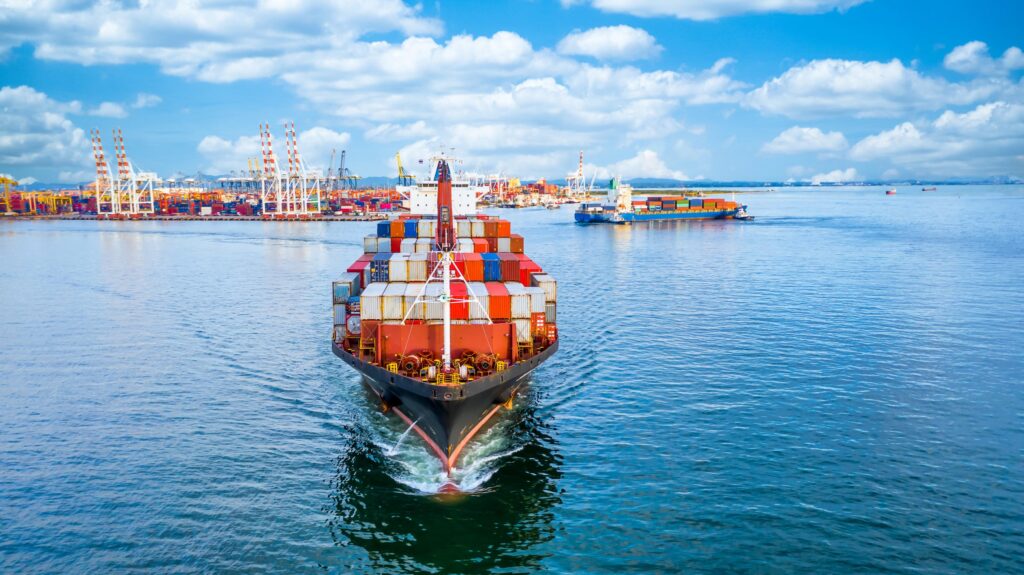
3. How Much Does It Cost to Ship Auto Parts by Sea from China to Europe?
Below is a cost breakdown for 2025 average rates:
| Container Type | Estimated Cost (USD) | Capacity | Transit Time |
|---|---|---|---|
| 20ft FCL | $1,300–$1,800 | ~28 CBM | 30–35 days |
| 40ft FCL | $1,800–$2,600 | ~58 CBM | 30–40 days |
| LCL | $80–$120 per CBM | Shared | 35–42 days |
Additionally, ports like Shanghai, Ningbo, and Shenzhen offer regular sailings to Rotterdam, Hamburg, and Antwerp, connecting to the entire European market.
4. How Much Does Air Freight Cost for Shipping Auto Parts?
Air freight ensures faster transit for critical automotive components. Average costs are as follows:
| Weight (kg) | Cost per kg (USD) | Estimated Time |
|---|---|---|
| 100–300 kg | $6.50–$7.50 | 5–7 days |
| 300–500 kg | $5.80–$6.50 | 6–8 days |
| 500+ kg | $5.00–$5.80 | 7–10 days |
However, due to high fuel costs and limited aircraft space, air freight is suitable mainly for high-value or urgent parts.
5. How Does Rail Freight Compare in Cost and Time?
Rail freight via the China–Europe Railway Express is a growing solution for mid-sized shipments.
Advantages include:
- 14–20 day transit to major hubs (Germany, Poland, France).
- Lower cost than air freight.
- Reliable departure schedules and customs efficiency.
Moreover, rail freight connects inland Chinese cities like Chongqing, Xi’an, and Zhengzhou to Duisburg and Hamburg, optimizing supply chains for European auto parts importers.
6. What Documents Are Required to Ship Auto Parts from China to Europe?
A typical auto parts shipment requires:
- Commercial Invoice
- Packing List
- Bill of Lading / Air Waybill
- Certificate of Origin
- Importer’s VAT / EORI number
- CE or RoHS certification (for electronic parts)
- Insurance policy (if applicable)
Additionally, accurate HS codes and declared values are vital to avoid clearance delays and fines.
7.Conclusion
The cost to ship auto parts from China to Europe depends on multiple factors including transport mode, volume, and customs duties. By collaborating with experienced logistics partners like ChinaTopFreight, importers can enjoy lower costs, faster clearance, and reliable delivery across Europe. Whether you ship full containers or mixed cargo, optimized freight solutions guarantee your automotive business runs efficiently, competitively, and profitably.
8. Request a Quote
China Top Freight offers:
- ✅ Origin and Destination Countries
- ✅ Cargo Type and Volume
- ✅ Preferred Transport Method (Air, Sea, Rail, Road)
- ✅ Delivery Timeline
- ✅ Special Handling Requirements (if any)
💬9. FAQ
1. What’s the average sea freight cost to ship auto parts to Europe?
Typically, $1,300–$1,800 for a 20ft container or $80–$120 per CBM for LCL shipments depending on port and season.
2. How can I choose the right transport mode for auto parts?
Select air for urgent, small parts; sea for large, heavy cargo; rail for balanced delivery speed and cost savings.
3. What customs documents are required for importing auto parts?
Essential documents include commercial invoice, packing list, bill of lading, CE certificates, and importer’s EORI registration.
4. Which European ports handle most auto part imports from China?
Major ports include Rotterdam (Netherlands), Hamburg (Germany), and Antwerp (Belgium) with efficient customs clearance systems.
5. Can I use DDP shipping for auto parts imports?
You can use DDP to cover customs duties and VAT in advance, ensuring smooth door-to-door delivery to European destinations.