

- By ayla tj
- November 17, 2025
- Logistics Guide
Fashion retailers, online sellers, and wholesalers searching for reliable clothing shipping from China often deal with challenges such as high freight costs, long transit times, and complex customs procedures. However, with the correct shipping methods, documentation, and logistics planning, businesses can significantly improve efficiency, reduce costs, and ensure on-time delivery for apparel shipments worldwide.

1. What Are the Main Shipping Methods for clothing shipping from china?
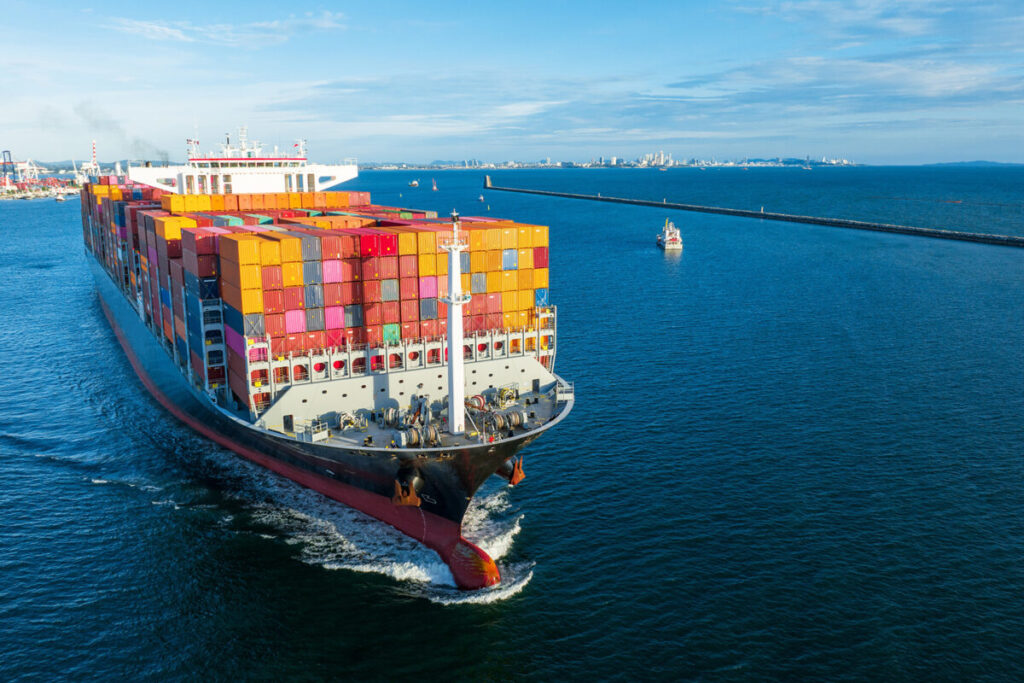
Understanding your shipping options is essential because clothing products vary widely in volume, material, and sensitivity. Moreover, each shipping method affects your overall supply chain, delivery schedule, and cost structure.
| Method | Average Cost | Transit Time | Pros | Cons |
|---|---|---|---|---|
| Air Freight | $4–$8/kg | 5–9 days | Fast, reliable, suitable for new collections | Higher cost |
| Sea Freight LCL | $50–$120/CBM | 25–40 days | Cost-effective for small batches | Longer transit |
| Sea Freight FCL | $1,200–$3,000/container | 25–40 days | Best for large apparel shipments | Requires higher volume |
| Rail Freight | $4,000–$6,000/40HQ | 15–25 days | Faster than sea, balanced cost | Routes limited |
| Express Delivery | $6–$12/kg | 3–7 days | Ideal for samples, urgent items | Expensive for heavy loads |
2. How Much Does clothing shipping from china Cost?
Costs depend on weight, volume, chosen method, destination, season, and Incoterms. Additionally, apparel often requires proper packaging to avoid moisture damage, which affects dimensional weight.
| Shipment Type | Estimated Price | Notes |
|---|---|---|
| 1 CBM LCL Shipment | $50–$120 | Ideal for low-MOQ or small apparel assortments |
| 100–300 kg Air Freight | $4.5–$6/kg | Best for urgent collections |
| 500–1,000 kg Air Freight | $5–$8/kg | Depends on volumetric weight |
| 20GP Container | $1,200–$2,000 | Suitable for mixed clothing |
| 40HQ Container | $2,000–$3,000 | Best for full seasons or bulk orders |
Semantic keywords added: freight pricing, international shipping rate, logistics budgeting, apparel import planning
Are you ready to book?
Access live instant freight quotes
3. Why Is China a Leading Source for Clothing Shipments?
China remains the world’s largest apparel manufacturing hub due to competitive pricing, massive production capacity, and reliable supply chain infrastructure. Furthermore, major garment markets like Guangzhou, Dongguan, and Ningbo provide fast turnaround times for both bulk orders and customized designs.
Key Advantages of Sourcing Clothing from China
- Low manufacturing cost
- Large variety of fabrics
- Strong textile supply chain
- Quick lead times
- Reliable export network
Long-tail keywords included:
China apparel manufacturing, garment suppliers China, wholesale clothing market China
4. Which Transport Mode Is Best for Your clothing shipping from china?
The right method depends on cargo volume, urgency, and budget.
When to Choose Air Freight
- New collection launch deadlines
- E-commerce restock urgency
- Premium apparel with higher margins
When to Choose Sea Freight
- Large seasonal shipments
- Inventory planning ahead of time
- Cost-sensitive garment orders
When to Choose Rail Freight
- Mid-cost, mid-speed solution
- Goods destined for Europe
- Reduced carbon footprint
Long-tail keywords included:
best way to ship clothing China, air vs sea freight apparel, China-Europe rail clothing shipping
5. What Is the Transit Time for clothing shipping from china to Major Regions?
Transit time varies widely across continents, influenced by carrier schedules, customs workload, and inland trucking availability.
| Destination | Air Freight | Sea Freight | Rail Freight |
|---|---|---|---|
| United States | 5–8 days | 25–35 days | N/A |
| Europe | 5–9 days | 28–40 days | 15–25 days |
| Middle East | 5–7 days | 22–35 days | N/A |
| Australia | 5–9 days | 20–30 days | N/A |
| Africa | 6–10 days | 28–45 days | N/A |
Semantic keywords: delivery schedule, global sourcing timeline, lead time planning, logistics forecasting
6. What Customs Documents Are Required for clothing shipping from china?
Clothing imports require correct HS codes, fabric composition declarations, and updated documentation for smooth customs clearance. Incorrect paperwork leads to delays, inspections, and fines.
| Document | Required For | Description |
|---|---|---|
| Commercial Invoice | All apparel shipments | Includes product details, unit price, HS codes |
| Packing List | All shipments | Carton count, weight, volume |
| Bill of Lading / Airway Bill | Sea / Air | Transportation record |
| Certificate of Origin | Some destinations | May reduce duties |
| Fabric Composition List | Clothing items | Required for tariff classification |
| Import License (Some regions) | Regulated apparel | For specific textile categories |
Long-tail keywords added:
customs clearance for clothing, HS code apparel import, textile documentation requirements, fashion compliance China export
7. What Are the Pros and Cons of Each Shipping Mode for Clothing?
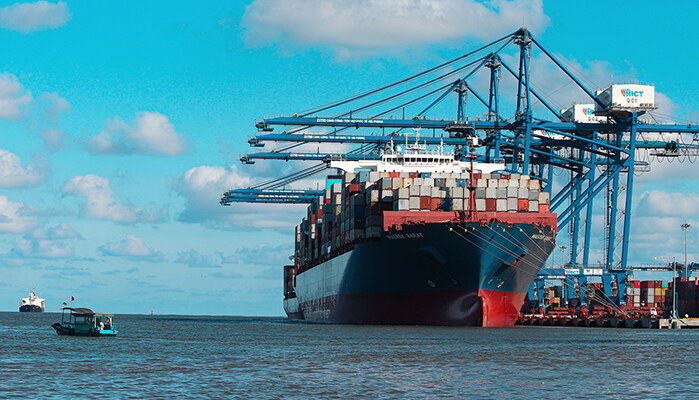
Fashion businesses must evaluate pros and cons based on product type, selling season, and cash flow cycle.
| Mode | Pros | Cons |
|---|---|---|
| Air | Fast, low damage risk | Higher cost |
| Sea | Cheapest for bulk apparel | Slow, risk of moisture |
| Rail | Balanced speed & cost | Limited route access |
| Express | Great for samples and urgent drops | Costly for large orders |
8. How Should Clothing Be Packed for International Shipping?
Proper packaging maintains garment quality and prevents wrinkling, moisture buildup, or odor absorption during transit. Additionally, good packaging reduces volumetric weight, saving on shipping costs.
Recommended Clothing Packaging Tips
- Use polybags for individual items
- Apply vacuum packing for volume reduction
- Insert silica gel to prevent moisture
- Choose double-wall cartons for protection
- Label cartons clearly for customs examination
Semantic keywords included: packaging optimization, moisture protection, garment preservation, apparel shipping standards
9. How Can You Reduce Costs for clothing shipping from china?
Cost control is crucial for fashion brands with tight margins. Fortunately, several methods allow businesses to reduce logistics spending without compromising delivery speed.
Practical Cost Reduction Tips
- Ship in off-peak seasons
- Use LCL consolidation for small batches
- Avoid unnecessary packaging that increases volume
- Optimize carton dimensions
- Use FOB terms for greater control at origin
- Compare air vs sea hybrid solutions
Long-tail keywords included:
cheapest clothing shipping method China, reduce logistics cost apparel, fashion supply chain savings
10. Should You Choose DDP or DAP for clothing shipping from china?
Choosing the right Incoterm affects overall freight cost and responsibility distribution.
DDP (Delivered Duty Paid)
- Seller handles all taxes, duties, and delivery
- Convenient for buyers
- Higher total cost
DAP (Delivered At Place)
- Seller delivers goods to destination
- Buyer pays import duties and taxes
- More flexible for experienced importers
Semantic keywords included: Incoterms for apparel, DDP clothing shipping, DAP import terms, apparel freight negotiation
Conclusion
Efficient clothing shipping from china requires careful planning, proper documentation, and choosing the right transport mode to match your business needs. By partnering with an experienced freight forwarder, optimizing packaging, and understanding customs requirements, apparel importers can streamline logistics, reduce cost, and improve supply chain reliability. As fashion markets evolve rapidly, having a clear and flexible shipping strategy ensures your products reach customers on time, every season.
FAQ
1. What is the best method for shipping clothing from China?
Air freight is ideal for urgent collections, while sea freight is best for large volumes. Rail freight provides a good balance for shipments heading to Europe.
2. How can I reduce the cost of clothing shipping?
You can reduce costs by consolidating shipments, avoiding peak seasons, optimizing packaging, and comparing multiple freight methods to find the most economical solution.
3. Do clothing items require special customs documents?
Yes, clothing needs accurate HS codes and fabric composition details. Some destinations also require certificates of origin or inspection documents for textile goods.
4. How long does clothing shipping from China take?
Air takes around a week, sea freight roughly 25–40 days, and rail freight 15–25 days depending on your destination and customs workload.
5. Is vacuum packing clothing recommended?
Vacuum packing reduces volume and helps control moisture, making it suitable for most apparel shipments. However, it may not be ideal for delicate or structured garments.