

- By ayla tj
- November 17, 2025
- Logistics Guide
Choosing the right logistics strategy for ocean freight china to belgium is critical for importers managing large-volume goods, tight budgets, or expanding European distribution networks. Although ocean freight has longer transit times, it offers unbeatable cost efficiency, high capacity, and flexible consolidation options. This guide explains costs, transit times, documentation, container choices, customs rules, and optimization strategies for a smooth China-to-Belgium supply chain.

1. Why Choose ocean freight china to belgium for Large-Scale Imports?
Ocean freight remains the most economical and scalable solution for businesses importing heavy, bulky, or high-volume products. Moreover, Belgium’s ports—including Antwerp and Zeebrugge—serve as major European gateways, offering seamless access to France, Germany, Netherlands, Luxembourg, and broader EU destinations.
Key Advantages of Ocean Freight
- Lowest cost per CBM
- Suitable for heavy and large-volume cargo
- Stable scheduling for supply chain planning
- Wide availability of container space
- Ideal for non-urgent goods such as furniture, textiles, machinery, and industrial materials
Long-tail keywords integrated:
cheap ocean freight China to Belgium, bulk shipping China to Europe, Belgium port logistics, China export sea freight guide, China–EU container shipping routes
Semantic keywords included: shipping costs, delivery schedule, international logistics, import/export, supply chain efficiency, EU distribution network
2. How Much Does ocean freight china to belgium Cost?
Freight rates depend on container type, shipping season, port selection, cargo weight, and global demand. Additionally, peak seasons (August–November) and fuel adjustments may impact prices.
| Shipment Type | Estimated Price | Notes |
|---|---|---|
| 1 CBM LCL | $55–$120 | Best for small loads |
| 5–12 CBM LCL | $60–$100/CBM | Lower cost per CBM |
| 20GP Container | $1,200–$2,000 | Suitable for mid-size shipments |
| 40GP Container | $1,800–$2,800 | Ideal for mixed cargo |
| 40HQ Container | $2,000–$3,200 | Maximum capacity for bulk imports |
Long-tail keywords included:
sea freight pricing China to Belgium, LCL shipping China to EU, container shipping rates Belgium
Are you ready to book?
Access live instant freight quotes
3. What Is the Transit Time for ocean freight china to belgium?
Transit time varies depending on origin port, carrier route, weather, and customs procedures.
| Route | Transit Time |
|---|---|
| Shanghai → Antwerp | 28–38 days |
| Ningbo → Antwerp | 30–40 days |
| Shenzhen → Antwerp | 28–36 days |
| Qingdao → Zeebrugge | 30–42 days |
| Tianjin → Antwerp | 32–45 days |
Semantic keywords included: lead time planning, shipment forecasting, EU import timeline, ocean freight schedule
4. What Shipping Methods Are Available for ocean freight china to belgium?
Importers may choose between FCL, LCL, and consolidation depending on shipment size and budget.
FCL (Full Container Load)
- Exclusive use of a full container
- Lower risk of cargo mixing
- Faster handling at ports
LCL (Less than Container Load)
- Affordable for small shipments
- Cargo consolidated with others
- Slightly longer customs and handling
- H3: Consolidation Shipping
- Ideal for e-commerce or mixed small-volume orders
- Reduces cost through groupage shipping
Long-tail keywords included:
FCL shipping China to Belgium, LCL sea freight Belgium, China consolidation service EU, mixed cargo ocean shipping China
5. What Documents Are Required for ocean freight china to belgium?
Accurate documentation ensures smooth customs clearance through Belgian and EU checkpoints. Missing documents often lead to delays, storage fees, or inspection charges.
| Document | Required For | Description |
|---|---|---|
| Commercial Invoice | All shipments | Price, HS codes, Incoterms |
| Packing List | All shipments | Weight, dimensions, carton count |
| Bill of Lading | Sea freight | Issued by carrier |
| Certificate of Origin | Tariff reduction | Optional for some products |
| CE Certification | Electronics, toys, machinery | Required for EU compliance |
| MSDS | Batteries, chemicals | Required for dangerous goods |
| Importer’s EORI Number | EU customs | Must be valid for clearance |
Long-tail keywords included:
Belgium customs clearance, CE compliance for EU imports, HS code classification Belgium, China export documentation EU
6. What Are the Pros and Cons of Ocean Freight to Belgium?
Every shipping method has strengths and limitations, so choosing the right one depends on cargo type, urgency, and budget.
| Mode | Pros | Cons |
|---|---|---|
| Sea Freight | Cheapest, large capacity | Slowest transit |
| Air Freight | Fastest delivery | Very expensive |
| Rail Freight | Balanced time & cost | Limited destinations |
| Express | Great for samples | Not suitable for bulk cargo |
Semantic keywords included: modal comparison, logistics planning, strategic shipping decisions
7. How to Optimize Packaging for ocean freight china to belgium?
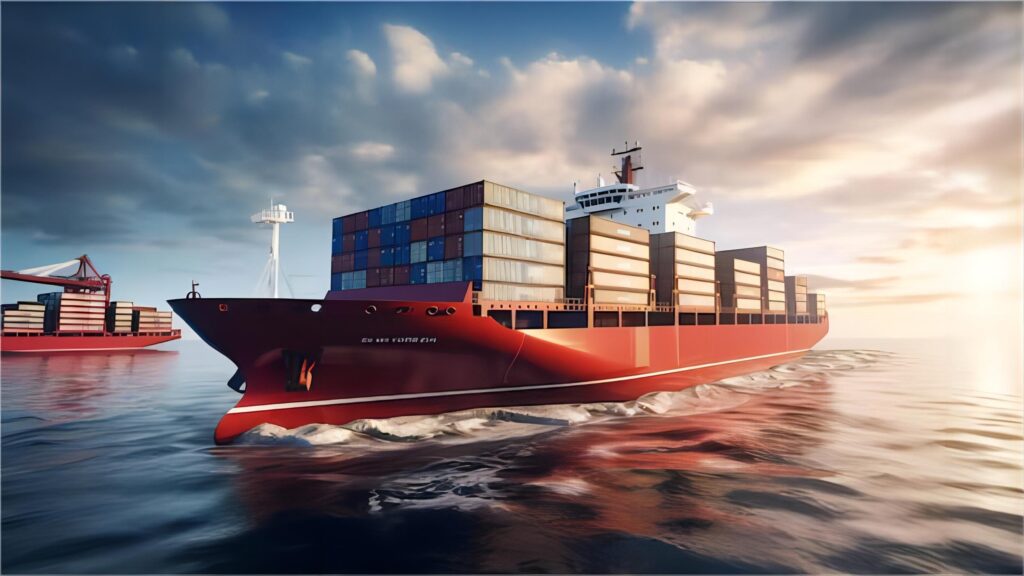
Proper packaging ensures goods arrive in good condition and reduces the risk of damage or moisture exposure during long sea voyages.
Packaging Recommendations
- Use strong corrugated cartons for heavy items
- Add moisture absorbers for textiles & electronics
- Wrap fragile goods with bubble wrap
- Seal cartons with high-strength tape
- Consider palletizing for better container stability
- Label cartons clearly with SKU and destination
Long-tail keywords included:
best packaging for China sea freight, moisture protection ocean shipping, carton optimization for EU imports
8. How Does Customs Clearance Work for Belgium?
Belgium follows the European Union’s customs guidelines, meaning goods must meet EU tax, safety, and documentation requirements before entering free circulation.
Belgium Customs Processing Steps
- Customs verifies documents
- HS code classification
- Duty and VAT calculation
- Inspection if flagged
- Release after payment
| Step | Estimated Time |
|---|---|
| Document Review | 1–2 days |
| Inspection (If Applicable) | +2–4 days |
| Duty/VAT Payment | Same day |
| Release | 1 day |
Semantic keywords included: EU customs rules, Belgium import taxes, duty calculation Belgium, import VAT
9. What Are Common Challenges in ocean freight china to belgium?
Despite being efficient, sea freight comes with potential obstacles that importers must prepare for.
Common Issues
- Port congestion in Antwerp
- Inaccurate HS codes causing customs delays
- Moisture damage during transit
- Peak-season container shortages
- Demurrage and detention fees
Long-tail keywords included:
avoid delays ocean freight, Belgium port congestion, China–EU freight risks, container delay solutions
10. Which Incoterms Are Best for ocean freight china to belgium?
Incoterms determine responsibility for shipping, insurance, duties, and risk transfer.
Recommended Incoterms
- FOB (Free on Board) – Most control for buyers
- CIF (Cost, Insurance, Freight) – Seller covers freight and insurance
- DAP (Delivered At Place) – Seller delivers to buyer location
- DDP (Delivered Duty Paid) – Seller handles everything including taxes
Long-tail keywords included:
FOB China to Belgium, CIF Belgium shipping, DDP import service EU
Conclusion
Efficient and cost-effective ocean freight china to belgium requires strategic planning, correct documentation, and optimized packaging. By understanding transit times, shipping methods, customs rules, and Incoterm responsibilities, importers can avoid delays, reduce logistics costs, and strengthen their European supply chain. Partnering with a professional freight forwarder further streamlines operations, ensuring each shipment moves smoothly from China to Belgium’s major ports with maximum reliability and predictability.
FAQ
1. Is ocean freight the cheapest method for shipping to Belgium?
Yes, ocean freight is the most economical option, especially for large and heavy shipments. Although transit times are longer, the cost savings are significant for bulk imports.
2. How long does ocean freight from China to Belgium take?
Transit times typically range from 28 to 40 days depending on the origin port, destination port, customs workload, and seasonal conditions affecting the global shipping schedule.
3. What documents are required for Belgium customs?
Required documents include the commercial invoice, packing list, bill of lading, CE certificate (if applicable), MSDS for regulated goods, and a valid EORI number for import clearance.
4. Can I ship LCL cargo from China to Belgium?
Yes, LCL shipping is ideal for small and medium shipments. Cargo is consolidated with other goods, making it cost-effective though slightly slower in handling.
5. Do I need insurance for ocean freight shipments?
Cargo insurance is strongly recommended for ocean shipments due to risks such as moisture, theft, rough handling, and weather-related incidents. Insurance protects against financial loss.