

- By carlie tj
- November 18, 2025
- Logistics Guide
Shipping food internationally requires precision, compliance, and the right logistics partner. If you’re wondering how to ship food products from China to UK, this comprehensive guide explains every step—from documentation and packaging to customs clearance and delivery. With ChinaTopFreight, you can ensure your food shipments are fast, compliant, and professionally handled from factory to final destination.
1. What Are the Main Shipping Options for Food Products from China to the UK?
Choosing the right shipping method depends on your cargo type, urgency, and budget. Below is a comparison of the three most common methods for shipping food products:
| Shipping Method | Transit Time (Days) | Cost (USD/kg) | Ideal Cargo Type | Pros | Cons |
|---|---|---|---|---|---|
| Air Freight | 5–10 | 5–8 | Perishables, frozen food | Fast, secure, temperature control | Expensive for bulk goods |
| Sea Freight | 25–40 | 1–2 | Dry and packaged foods | Cost-effective, large capacity | Slow, longer customs process |
| Rail Freight | 15–22 | 2–4 | Canned or non-perishable foods | Balanced speed and cost | Limited availability |
For sensitive or short-shelf-life goods, air freight ensures freshness, while sea freight suits bulk shipments like canned, dried, or preserved products.
2. What Types of Food Products Can Be Shipped from China to the UK?
The UK allows a wide range of food imports from China, provided they comply with food safety regulations. Commonly shipped categories include:
- Processed foods (snacks, sauces, noodles)
- Canned goods and condiments
- Dried foods (tea, herbs, grains, nuts)
- Frozen seafood and meats
- Beverages and juices
- Instant foods and ready-to-eat meals
However, fresh fruits, meats, and dairy require additional certification and are subject to UK sanitary checks.
3. What Are the Legal Requirements for Shipping Food Products?
Food shipments must comply with UK Food Standards Agency (FSA) and Department for Environment, Food and Rural Affairs (DEFRA) guidelines. Importers must ensure:
- The exporter is registered with China’s General Administration of Customs (GACC).
- Food meets UK hygiene and labeling standards.
- Importers have EORI registration and are listed with UK customs.
- Products include an Import Health Certificate (IHC) if applicable.
- Certain items undergo veterinary or sanitary inspection at designated Border Control Posts (BCPs).
Working with a licensed freight forwarder ensures these procedures are followed precisely.
4. What Documents Are Required for Food Product Imports from China to the UK?
Proper documentation prevents customs delays and compliance penalties.
| Document Type | Purpose |
|---|---|
| Commercial Invoice | Declares product value and description |
| Packing List | Details carton weight, volume, and item count |
| Bill of Lading / Air Waybill | Proof of carriage |
| Certificate of Origin | Confirms manufacturing source |
| Phytosanitary or Health Certificate | Required for animal or plant-based goods |
| Import License / EORI Number | Authorizes customs entry |
| Labeling Certificate | Ensures English labeling compliance |
All documents must match shipment data exactly to pass customs checks without delay.
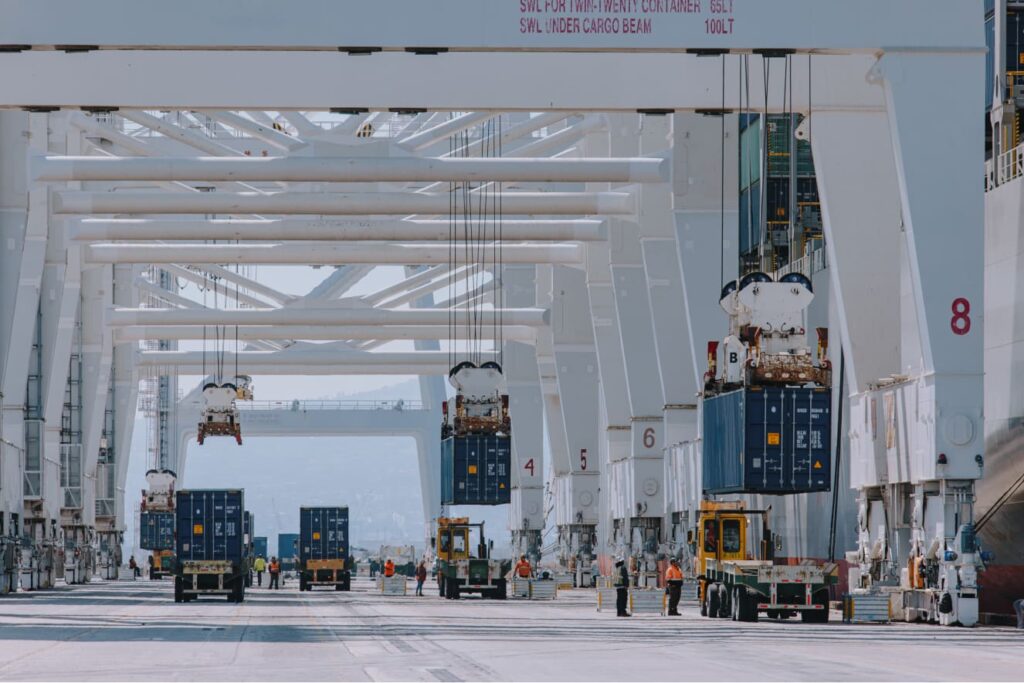
5. How Long Does It Take to Ship Food Products from China to the UK?
Transit time depends on the shipping method, port congestion, and customs clearance efficiency:
| Route Type | Transit Time (Days) | Example Route |
|---|---|---|
| Air Freight | 5–10 | Shenzhen → London Heathrow |
| Rail Freight | 15–22 | Xi’an → London Gateway |
| Sea Freight | 25–40 | Ningbo → Felixstowe / Southampton |
Additionally, customs clearance can take 1–3 days if documentation is complete.
6.How Should Food Products Be Packaged for Export?
Proper packaging maintains freshness and prevents damage during transit.
Packaging Guidelines:
- Use airtight, tamper-proof containers for processed foods.
- Vacuum-seal dried or frozen goods to extend shelf life.
- Add temperature control packaging for perishable items.
- Ensure English labeling listing ingredients, expiry date, and country of origin.
- Use ISPM 15-compliant pallets for wooden packaging.
Correct labeling and packaging help food shipments clear customs faster and comply with UK import laws.
7.Conclusion
In conclusion, understanding how to ship food products from China to UK ensures smooth logistics, compliance, and cost efficiency. From choosing between air or sea freight to meeting customs regulations, preparation is key.
By working with ChinaTopFreight, importers gain access to reliable DDP solutions, temperature-controlled shipping, and full documentation support—making international food trade from China to the UK efficient, compliant, and stress-free.
8. Request a Quote
China Top Freight offers:
- ✅ Origin and Destination Countries
- ✅ Cargo Type and Volume
- ✅ Preferred Transport Method (Air, Sea, Rail, Road)
- ✅ Delivery Timeline
- ✅ Special Handling Requirements (if any)
9. FAQ
1. Can I ship perishable food from China to the UK?
Perishable foods can be shipped using temperature-controlled air freight, ensuring freshness through regulated cold-chain logistics.
2. What import license is needed for food products in the UK?
Importers require EORI registration and, for some goods, permits from the Food Standards Agency or DEFRA.
3. How do I handle labeling for UK food imports?
Labels must include English language, ingredients, allergens, expiry date, and country of origin to meet FSA compliance.
4. Which shipping method is best for bulk food shipments?
Sea freight is ideal for bulk food containers, offering low costs and stable temperature options for long-distance delivery.
5. Are there duties on food imports from China to the UK?
Most food items attract 0–25% duty, but many essentials qualify for zero or reduced rates under trade agreements.