

- By ayla tj
- November 18, 2025
- Logistics Guide
Importing toys across borders requires accuracy, compliance, and reliable logistics, which is why many companies depend on toys shipping china to uk to meet seasonal demand, replenish e-commerce orders, and stock retail shelves. Moreover, toy shipments must satisfy strict safety rules, packaging standards, and customs requirements to ensure smooth, cost-effective delivery from Chinese manufacturers to UK warehouses.

What Makes Toys Shipping China to UK Unique Compared to Other Products?
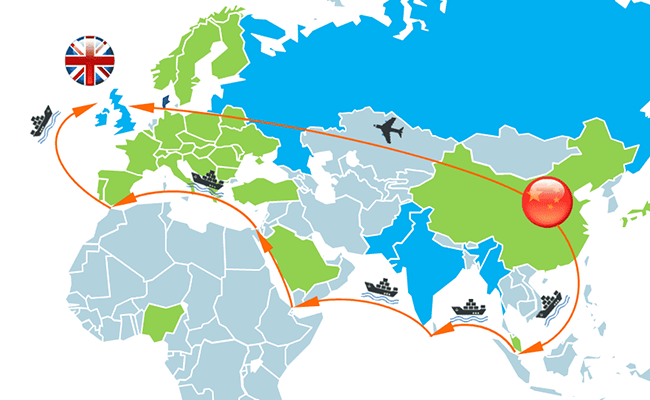
Toy freight involves more regulations than most consumer goods. Because toys are used by children, the UK enforces strict safety and compliance standards, making proper documentation and testing essential.
Key Factors That Impact Toy Shipping
- Safety certification requirements (EN71, CE marking)
- Age classification and labeling
- Material and chemical restrictions
- Packaging durability standards
- High-volume seasonal demand (Christmas, Q4 peak)
Additionally, choosing the right freight method significantly affects both delivery speed and cost.
What Is the Best Shipping Method for Toys from China to the UK?
Choosing the correct freight method for toys shipping china to uk depends on urgency, volume, and cost considerations.
| Method | Transit Time | Cost Level | Best For | Pros | Cons |
|---|---|---|---|---|---|
| Sea Freight (FCL) | 25–35 days | Low | Large shipments | Cheapest | Slow |
| Sea Freight (LCL) | 28–40 days | Low–Medium | Medium loads | Flexible | More handling |
| Air Freight | 5–9 days | High | Urgent toys | Fast | Expensive |
| Express | 3–5 days | Very High | Samples/e-commerce | Fastest | Payload limits |
| Rail Freight | 15–25 days | Medium | Balanced speed | Reliable | Indirect route (via EU) |
How Much Does It Cost to Ship Toys from China to the UK?
Toy freight pricing depends on weight, volume, packaging size, and the shipping route.
| Shipping Option | Estimated Cost | Notes |
|---|---|---|
| Air Freight | $5–$8 per kg | For urgent or lightweight toys |
| LCL Shipping | $35–$55 per CBM | Great for mixed toy shipments |
| FCL 20ft | $1,200–$2,000 | Cost-effective bulk option |
| FCL 40ft | $1,600–$3,200 | Ideal for high-volume toy imports |
| Express | $7–$10 per kg | Best for samples or small parcels |
Seasonal demand spikes can increase pricing during Q4.
What are you waiting for?
Contact chinatopfreight for a fast, free quote.
Are you ready to book?
Access live instant freight quotes
How Long Does Toys Shipping Take from China to the UK?
Transit time varies by shipping method, customs clearance, and port congestion.
| Origin → UK | Sea Freight | Air Freight | Express |
|---|---|---|---|
| Shenzhen → UK | 28–35 days | 5–7 days | 3–5 days |
| Shanghai → UK | 27–33 days | 6–9 days | 3–5 days |
| Ningbo → UK | 29–38 days | 6–8 days | 3–5 days |
| Qingdao → UK | 30–40 days | 6–9 days | 3–5 days |
Additionally, customs clearance may add 1–3 days.
What Documents Are Required for Toys Shipping China to UK?
| Document | Purpose |
|---|---|
| Commercial Invoice | Declares value |
| Packing List | Carton details |
| Bill of Lading / AWB | Freight document |
| CE Certificate | Safety compliance |
| EN71 Test Report | Required for most toys |
| Declaration of Conformity | Confirms standards |
| UKCA Marking (transitioning) | Post-Brexit compliance |
| HS Codes | Duty classification |
| Safety Data Sheets (if applicable) | Material safety |
What Are the UK Regulations for Toy Imports?
Toys entering the UK must comply with safety rules designed to protect children.
Key Requirements
- CE or UKCA marking
- EN71 testing (physical, flammability, chemical)
- Labeling with manufacturer identity
- Age-grade labeling
- Small-parts warnings
- Material chemical limits (phthalates)
Additionally, customs may inspect shipments with incomplete or suspicious documents.
How to Package Toys for Safe International Shipping?
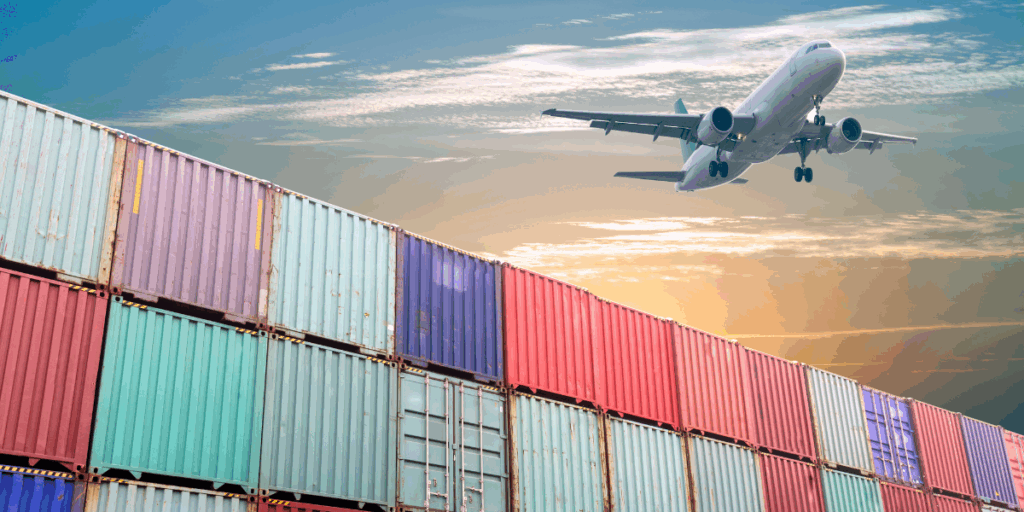
Toy packaging must protect against handling, humidity, and vibration.
Packaging Best Practices
- Use double-wall export cartons
- Add foam or bubble wrap for fragile toys
- Seal polybags for moisture protection
- Use pallets for heavy or bulk shipments
- Avoid excessive empty space to reduce CBM
- Label boxes clearly with product type
Proper packaging helps reduce damage claims.
FCL vs LCL for Toys Shipping China to UK: Which Should You Choose?
| Factor | FCL | LCL |
|---|---|---|
| Best For | ≥15 CBM | <15 CBM |
| Cost Efficiency | High | Medium |
| Handling Risk | Low | Higher |
| Customs Clearance | Faster | Moderate |
| Speed | Stable | Slightly slower |
How to Reduce Costs When Shipping Toys from China to the UK?
Cost-Saving Tips
- Consolidate orders from multiple suppliers
- Avoid peak holiday seasons
- Optimize carton size to reduce CBM
- Compare multiple carrier quotes
- Choose sea freight when timelines allow
- Use long-term supplier contracts
Moreover, early booking helps avoid price surges.
How to Speed Up Delivery for Toys Shipping China to UK?
Some strategies help accelerate arrival without switching to air freight.
Speed Optimization Tips
- Choose direct sea routes
- Submit documents early
- Pre-clear customs when possible
- Avoid holiday cutoffs (Golden Week, Christmas)
- Use forwarders with strong UK networks
Planning proactively ensures on-time delivery.
Conclusion
In conclusion, toys shipping china to uk requires careful planning, compliance with safety standards, and reliable freight coordination. With accurate documentation, proper packaging, and efficient routing, businesses can achieve smooth delivery, reduced costs, and faster supply-chain performance. Moreover, working with experienced logistics partners ensures high-quality handling for toys, especially during peak retail seasons.
FAQ
1. Do toys shipped from China to the UK require CE or UKCA marking?
Yes. Toys must meet EN71 standards and include CE or UKCA marking to enter the UK legally, ensuring safety and compliance for children’s products.
2. How long does sea freight take for toy shipments?
Sea freight typically takes 28–35 days, depending on port congestion, customs clearance speed, and carrier scheduling for UK-bound shipments.
3. Can toys be shipped by air freight?
Yes. Air freight is often chosen for urgent toy shipments, especially during peak seasons or for fast-moving e-commerce sales requiring rapid replenishment.
4. What duties apply to toy imports into the UK?
Duties depend on product HS codes. Most toy categories have moderate tariff rates, and VAT applies on the total landed cost, including freight.
5. What causes delays in toy shipping?
Common causes include missing documents, incomplete CE certification, peak-season congestion, and customs inspections triggered by labeling or testing issues.