

- By carlie tj
- November 19, 2025
- Logistics Guide
Finding the best way to ship textiles from China to Europe can be challenging for importers and fashion brands managing time-sensitive orders. ChinaTopFreight provides cost-effective, reliable logistics solutions that combine fast transit times, expert customs handling, and competitive pricing for fabric, garments, and apparel shipments of all sizes.
1. Why Is Shipping Textiles from China to Europe So Important?
China is the world’s largest exporter of textiles and clothing, serving global fashion retailers, wholesalers, and manufacturers. European countries such as Germany, France, Italy, and Spain depend heavily on Chinese textile imports for their supply chains.
However, managing textile logistics requires more than just transportation. It involves customs compliance, quality control, and speed to meet production and retail deadlines. Choosing the best way to ship textiles from China to Europe ensures product safety, reduces costs, and prevents delivery delays.
2. What Are the Main Shipping Methods for Textiles from China to Europe?
Textiles can be shipped by air freight, sea freight, rail freight, or express courier, depending on order size, urgency, and budget.
| Shipping Method | Transit Time | Average Cost (per kg) | Ideal For | Advantages | Disadvantages |
|---|---|---|---|---|---|
| Air Freight | 6–10 days | $6–$10 | Urgent fashion orders | Fast & secure | Expensive for bulk |
| Sea Freight | 30–40 days | $1–$3 | Large fabric shipments | Lowest cost per unit | Slow transit |
| Rail Freight | 18–25 days | $3–$5 | Medium volumes | Balanced cost & speed | Limited coverage |
| Express Courier | 4–6 days | $8–$12 | Samples or small orders | Fastest, door-to-door | Costly for heavy loads |
Selecting the right mode depends on factors like product value, delivery timeline, and destination market.
3. How Does the Textile Shipping Process Work from China to Europe?
Shipping textiles internationally involves several coordinated steps to ensure compliance and smooth delivery.
| Step | Description | Responsibility |
|---|---|---|
| 1 | Product packaging and labeling | Exporter or supplier |
| 2 | Export customs declaration | Freight forwarder |
| 3 | Transportation (air, sea, or rail) | Carrier |
| 4 | Import clearance in Europe | Customs broker |
| 5 | Delivery to warehouse or retail center | Local logistics partner |
Working with experienced forwarders simplifies these procedures, ensuring your textile shipments are delivered safely and on time.
4. What Is the Cheapest Way to Ship Textiles from China to Europe?
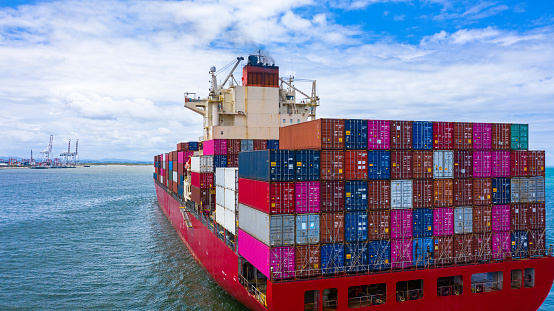
The cheapest way to ship textiles is typically by sea freight, especially for large or heavy fabric orders. Shipping via FCL (Full Container Load) offers lower costs per cubic meter than LCL (Less than Container Load).
To reduce costs further:
- Book during non-peak seasons
- Consolidate shipments with other orders
- Use optimized packaging to reduce dimensional weight
- Partner with trusted freight forwarders for negotiated rates
These strategies can save up to 20–30% of logistics expenses.
5. What Are the Typical Shipping Costs for Textiles from China to Europe?
| Shipment Type | Air Freight | Rail Freight | Sea Freight |
|---|---|---|---|
| 100 kg | $700–$900 | $400–$500 | $180–$250 |
| 500 kg | $2,800–$3,300 | $1,400–$1,700 | $600–$800 |
| 1 CBM | $950–$1,200 | $700–$900 | $250–$400 |
Note: Prices fluctuate based on fuel rates, season, and cargo volume.
6.How to Ensure Textile Shipments Meet EU Import Regulations?
Textiles must comply with EU regulations related to product safety and labeling. Importers should ensure:
- All fabrics meet REACH standards (chemical safety)
- Proper fiber content labeling is applied
- Certificates of origin and compliance are provided
- Importers hold a valid EORI number
Regular audits and documentation checks help prevent compliance issues.
7.Conclusion
Finding the best way to ship textiles from China to Europe depends on your priorities—speed, cost, or volume. Sea freight offers unbeatable prices for bulk shipments, while air freight ensures rapid delivery for urgent fashion orders. Rail freight provides a balanced alternative for cost and time efficiency. With ChinaTopFreight, importers can enjoy expert handling, timely delivery, and transparent pricing for all textile logistics needs. Start optimizing your textile supply chain today and build a smoother import experience between China and Europe.
8. Request a Quote
China Top Freight offers:
- ✅ Origin and Destination Countries
- ✅ Cargo Type and Volume
- ✅ Preferred Transport Method (Air, Sea, Rail, Road)
- ✅ Delivery Timeline
- ✅ Special Handling Requirements (if any)
9. FAQ
1. What is the cheapest way to ship textiles from China to Europe?
Sea freight offers the lowest cost per unit, ideal for large or heavy fabric shipments.
2. How long does air freight take for textile shipping?
Air freight from China to Europe typically takes 6–10 days, depending on flight schedules and customs clearance.
3. Are textile shipments subject to EU import taxes?
Import taxes vary by country and product classification, but most textile goods incur customs duties and VAT.
4. Can rail freight handle large textile shipments?
Yes, rail freight is suitable for medium to large shipments, offering faster transit than sea freight at a lower cost than air.
5. What documents are needed for textile imports into Europe?
Common documents include a commercial invoice, packing list, bill of lading, certificate of origin, and EORI number.