

- By ayla tj
- November 19, 2025
- Logistics Guide
Demand for fast, predictable, and cost-effective transport continues rising, making overland freight China to Japan a powerful option for importers seeking alternatives to sea and air shipping. Although Japan is separated from China by the East China Sea, multimodal trucking + ferry routes now provide stable delivery schedules, lower shipping costs, and greater reliability for cross-border shipments. This guide explains everything you need to know to optimize routing, documentation, pricing, and customs procedures for efficient overland delivery.
What Is Overland Freight China to Japan and How Does It Work?
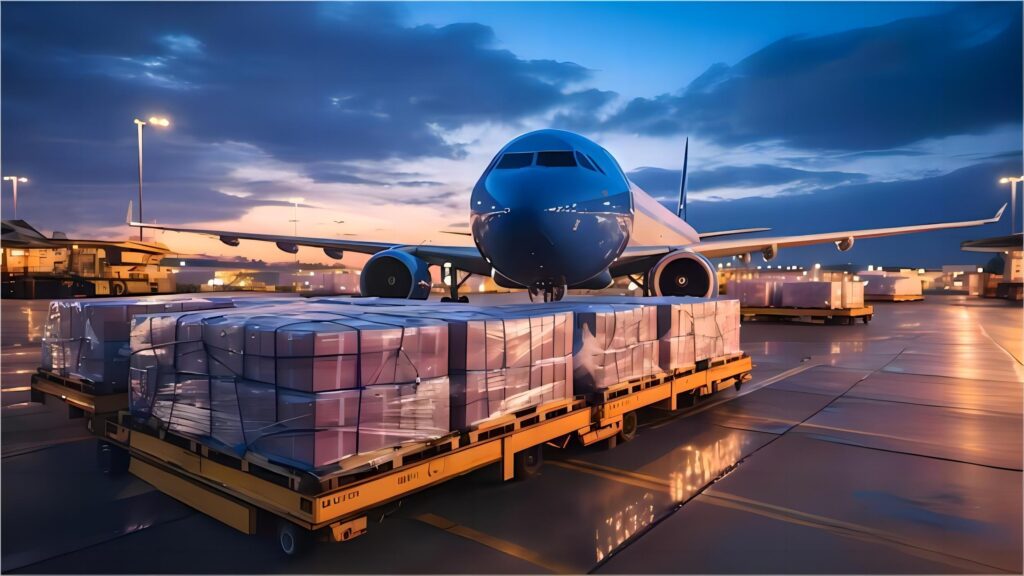
Overland freight from China to Japan typically uses a road–sea multimodal model, where trucks transport goods from Chinese factories to coastal ports and then transfer them onto Ro-Ro (roll-on/roll-off) ferries bound for Japanese ports. Moreover, this hybrid solution helps importers reduce transit time and improve logistics efficiency.
How the Process Generally Works
- Pickup from factory
- Truck transport to departure port (Shanghai, Ningbo, Qingdao, Dalian)
- Customs export declaration
- Ro-Ro or container ferry shipping
- Arrival at Japan port (Osaka, Yokohama, Hakata, Kobe)
- Import customs clearance
- Domestic trucking to final destination
Because trucks move faster than sea containers, overall delivery time becomes more predictable.
How Long Does Overland Freight China to Japan Take?
Transit time depends on the distance from the factory to the departure port and the Japan destination port. Moreover, ferry frequency can affect schedules.
| China Origin | Japan Port | Estimated Transit Time |
|---|---|---|
| Shanghai → Osaka | 4–7 days | |
| Ningbo → Yokohama | 5–9 days | |
| Qingdao → Kobe | 6–10 days | |
| Dalian → Hakata | 5–8 days | |
| Tianjin → Osaka | 6–11 days |
How Much Does Overland Freight China to Japan Cost?
Cost varies according to route, cargo type, distance, and ferry schedule. Additionally, fuel costs and port charges influence final rates.
| Method | Average Cost | Transit Time | Best For | Pros | Cons |
|---|---|---|---|---|---|
| Overland (Road + Ferry) | $1200–$2500 per truck | 5–10 days | General cargo | Stable, fast, predictable | Limited space |
| Sea Freight (FCL) | $900–$1700 per 20GP | 7–14 days | Bulk shipments | Cheapest overall | Slower, port congestion |
| Air Freight | $4–$8/kg | 1–4 days | Urgent cargo | Fastest | Expensive |
| LCL Sea Freight | $80–$140/cbm | 9–18 days | Small cargo | Flexible | Longer time |
Therefore, overland freight offers a balance between air freight speed and sea freight cost, making it ideal for high-value, time-sensitive shipments.
What are you waiting for?
Contact chinatopfreight for a fast, free quote.
Are you ready to book?
Access live instant freight quotes
Why Choose Overland Freight China to Japan Instead of Air or Sea?
Each transport method offers unique advantages, but overland freight excels in balancing speed, reliability, and cost. Furthermore, it helps businesses avoid delays caused by sea-container shortages or air-capacity fluctuations.
Advantages of Overland Freight
- Faster than traditional sea freight
- More affordable than air freight
- Stable schedules through Ro-Ro ferries
- Lower damage risk due to minimal container handling
- Flexible pickup and delivery routing
- Works well for palletized and carton cargo
If your supply chain needs consistent weekly delivery without premium air freight rates, overland freight is an ideal choice.
What Products Are Best Suited for Overland Freight to Japan?
Because multimodal trucking + ferry systems maintain stable conditions, many product categories benefit from this transport option.
Best Cargo Types for Overland Shipments
- Electronics and computer components
- Auto parts and mechanical tools
- Home goods and furniture
- Clothing, apparel, and accessories
- Industrial equipment
- Consumer packaged goods
- E-commerce replenishment
- Plastic products, household items
- Machinery spare parts
Moreover, fragile goods benefit from reduced loading and unloading operations.
What Documents Are Required for Overland Freight China to Japan?
Proper paperwork helps avoid customs delays and keeps your supply chain running smoothly. Additionally, Japan customs is strict about product classification and origin details.
| Document | Required For | Notes |
|---|---|---|
| Commercial Invoice | All shipments | Declare accurate value & HS codes |
| Packing List | All shipments | Helps verify quantities |
| Export Declaration (China) | Export customs | Submitted electronically |
| Bill of Lading / Ro-Ro Manifest | Transport | Issued by ferry operator |
| Certificate of Origin | Some products | May reduce tariffs |
| Product Compliance Certificates | Electronics / food | PSE, FBA, MSDS, etc. |
| Arrival Notice | Import clearance | Issued by Japanese port |
How Does Overland Freight Compare to Air, Sea, and Rail Transport?

Although rail freight dominates Europe routes, China–Japan routes rely primarily on road–sea multimodal transport. Nevertheless, comparing all modes helps importers choose the best option.
| Method | Pros | Cons |
|---|---|---|
| Overland Freight | Fast, stable, cost-effective | Limited capacity |
| Sea Freight | Cheapest for bulk | Slower, port congestion |
| Air Freight | Fastest | Expensive |
| Rail Freight | Not applicable to Japan | — |
How to Reduce Overland Freight Costs From China to Japan?
Managing cost is possible even for premium routes. Furthermore, applying several optimization strategies significantly reduces total landed cost.
Cost-Saving Strategies
- Consolidate goods from multiple suppliers to reduce per-shipment cost.
- Ship during off-peak seasons to avoid congestion surcharges.
- Use Ro-Ro ferries instead of container ferries when cargo permits.
- Choose the closest Chinese port to minimize trucking cost.
- Work with forwarders who offer contract rates for Japan routes.
- Optimize packaging to increase load efficiency.
- Book early to secure available truck–ferry capacity.
Additionally, reducing volumetric weight helps lower overall transportation expenses.
Which Ports Support Overland Freight China to Japan?
Not all ports support smooth multimodal movement. Therefore, selecting the right port improves speed and reliability.
Major China Departure Ports
- Shanghai
- Ningbo
- Qingdao
- Dalian
- Tianjin
- Xiamen (limited routes)
Major Japan Arrival Ports
- Osaka
- Kobe
- Yokohama
- Hakata
- Nagoya
Because these ports run regular Ro-Ro and ferry services, transit remains consistent throughout the year.
How Is Customs Clearance Handled for Overland Freight?
Japan customs uses an efficient electronic screening system. However, compliance must be accurate to avoid delays.
China Export Procedures
- Electronic export filing
- Cargo inspection (random)
- Truck loading and sealing
Japan Import Procedures
- Manifest submission before arrival
- HS code verification
- Duty & tax assessment
- Physical inspection (if required)
- Release for delivery
Moreover, providing complete information upfront ensures a smooth clearance process.
Conclusion
Efficient overland freight China to Japan depends on choosing the right multimodal route, preparing complete documentation, and optimizing trucking and ferry coordination. Moreover, understanding customs rules, transit times, and cost-saving strategies helps importers maintain a reliable supply chain. Whether you ship electronics, fashion goods, industrial tools, spare parts, or mixed cargo, overland freight offers a fast, affordable, and stable alternative to purely sea or air transport. If you want professional support managing shipments from China to Japan, our team is ready to provide cost-effective, tailored logistics solutions.
FAQ
1. Is overland freight faster than sea freight between China and Japan?
Yes. Overland multimodal trucking plus ferry routes typically deliver faster and more predictably than standard sea freight, especially during peak shipping seasons.
2. Can all goods be shipped via overland freight to Japan?
Most general cargo is suitable, including electronics, apparel, tools, and home goods. However, hazardous materials require special permits depending on ferry regulations.
3. Do overland shipments need special packaging?
Standard export cartons work, but palletizing goods improves stability. Additionally, using shock-proof packaging reduces damage during truck and ferry movement.
4. Are Ro-Ro ferries reliable for Japan shipments?
Yes. Ro-Ro vessels operate on fixed schedules and offer stable weekly departures, making them ideal for time-sensitive cargo moving from China to Japan.
5. How can I reduce customs delays in Japan?
Provide accurate HS codes, correct product descriptions, and complete documentation. Pre-clearing cargo and working with experienced forwarders significantly reduces delay risks.