

- By ayla tj
- November 19, 2025
- Logistics Guide
Businesses increasingly rely on logistics service China to Japan to support fast, reliable, and cost-efficient cross-border shipping. Although China and Japan are geographically close, importers still face challenges such as customs procedures, route selection, freight comparison, and delivery scheduling. This guide explains everything you need to manage transport smoothly, reduce shipping costs, and optimize your supply chain.
What Does Logistics Service China to Japan Include?
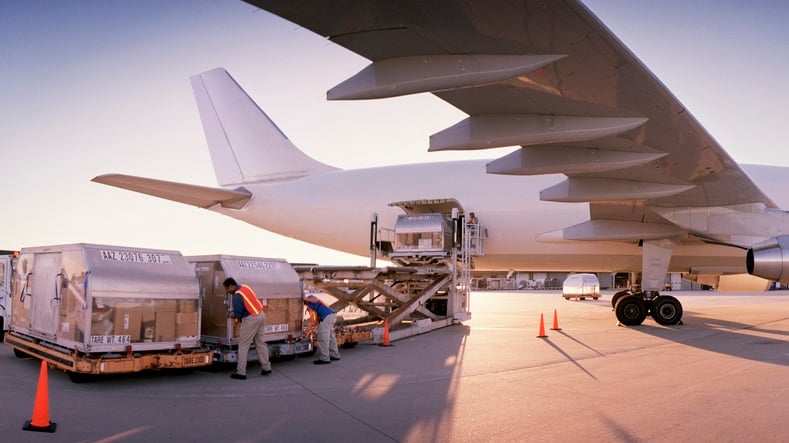
A full logistics service covers all supply-chain activities necessary to move goods from Chinese factories to Japanese buyers or warehouses. Moreover, it combines multimodal transport, customs clearance, and delivery coordination.
Typical Services Included
- Supplier pickup
- Cargo consolidation
- Export documentation
- Sea, air, or overland-ferry transport
- Japan import customs clearance
- Distribution and last-mile delivery
- Warehousing and inventory processing
Because logistics providers manage the entire transportation flow, businesses save time and reduce operational risks.
What Shipping Methods Are Available for China to Japan Transport?
Importers can choose from several freight solutions depending on cargo type, urgency, and budget. Additionally, combining multiple modes improves reliability and flexibility.
| Method | Estimated Cost | Transit Time | Best For | Pros | Cons |
|---|---|---|---|---|---|
| Sea Freight (FCL/LCL) | Low | 5–14 days | Bulk & non-urgent cargo | Lowest cost | Slower |
| Air Freight | High | 1–4 days | Urgent or high-value goods | Fast & reliable | Expensive |
| Overland + Ferry | Medium | 5–10 days | Palletized cargo | Stable schedule | Limited space |
| Express Courier | High | 2–5 days | Small parcels | Door-to-door speed | Costly |
How Much Does Logistics Service China to Japan Cost?
Costs vary depending on route, cargo volume, shipping method, and customs requirements. Furthermore, seasonal factors like Golden Week or Chinese New Year may influence rates.
| Cargo Type | Shipping Mode | Typical Cost |
|---|---|---|
| 1–100 kg parcels | Express | $6–$12/kg |
| 100–800 kg | Air Freight | $4–$8/kg |
| 1–12 cbm | LCL Sea Freight | $80–$150/cbm |
| FCL 20GP | Sea Freight | $900–$1700 |
| Palletized goods | Overland + Ferry | $1200–$2500/truck |
Because costs fluctuate frequently, requesting updated quotes ensures accurate budgeting.
What are you waiting for?
Contact chinatopfreight for a fast, free quote.
Are you ready to book?
Access live instant freight quotes
How Long Does Shipping From China to Japan Take?
Transit time depends on origin city, cargo type, and freight method. Moreover, customs processing may add additional days.
| China Origin | Transport Mode | Transit Time |
|---|---|---|
| Shanghai → Osaka | Sea | 5–8 days |
| Ningbo → Yokohama | Sea | 7–12 days |
| Shenzhen → Tokyo (Air) | Air | 1–3 days |
| Qingdao → Kobe | Ro-Ro | 6–10 days |
| Dalian → Hakata | Ro-Ro | 4–7 days |
What Documents Are Required for China–Japan Logistics?
Documentation is crucial for ensuring compliance and preventing customs delays. Importers must prepare detailed information about product origin, material, and declared value.
| Document | Purpose |
|---|---|
| Commercial Invoice | Lists cargo value & details |
| Packing List | Confirms weight & dimensions |
| Bill of Lading / Air Waybill | Transport confirmation |
| Export Declaration (China) | Required for outbound cargo |
| Certificate of Origin | May reduce tariffs |
| Compliance Certificates | PSE for electronics, MSDS for chemicals |
| Import Declaration | Submitted to Japan Customs |
Why Choose Professional Logistics Service China to Japan?
A qualified logistics provider ensures smoother operations, lower delays, and optimized freight planning. Moreover, professional coordination reduces hidden costs and shipment disruptions.
Key Benefits
- Faster customs clearance
- Stable route planning
- Damage-reduction handling
- Transparent pricing
- Strong coordination with ports and airlines
- Real-time tracking
Therefore, partnering with experts improves overall supply-chain performance.
What Goods Are Commonly Shipped From China to Japan?
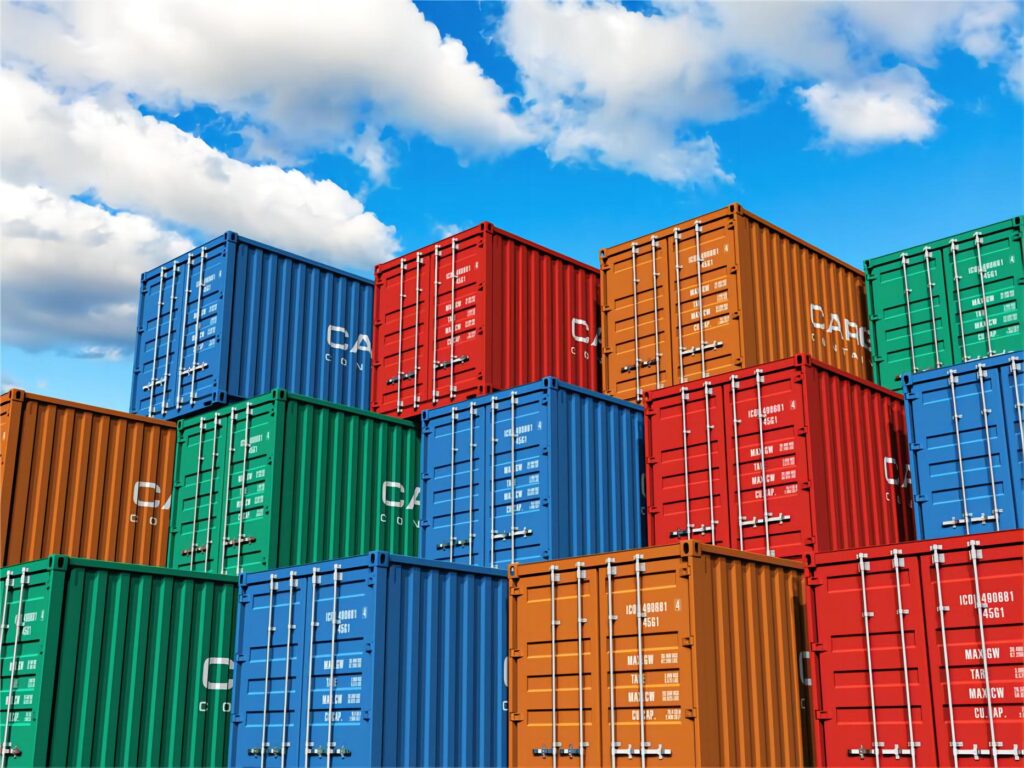
Japan imports a diverse range of goods from China to support retail, manufacturing, and e-commerce operations.
Top Product Categories
- Electronics and components
- Automotive parts
- Household goods
- Apparel and textiles
- Industrial machinery
- Plastic products
- Furniture and homeware
- E-commerce goods
- Hardware tools
Moreover, stable cross-border trade ensures consistent shipping demand year-round.
How Do Customs Procedures Work for Logistics Service China to Japan?
Japan uses an electronic customs system that processes declarations efficiently. However, cargo may still require inspection depending on category and compliance status.
China Export Flow
- Supplier prepares cargo
- Export filing
- Loading inspection (random)
- Release for shipment
- Japan Import Flow
- Manifest submission
- HS code verification
- Duty calculation
- Inspection if necessary
- Release for local delivery
Accurate HS classification prevents delays and unexpected charges.
What Duties and Taxes Apply When Shipping From China to Japan?
Japan’s tax system includes tariffs, consumption tax, and additional category-specific taxes for regulated goods.
| Charge Type | Rate |
|---|---|
| Consumption Tax | 10% |
| Customs Tariff | 0%–15% (depending on HS code) |
| Safeguard Duties | Certain industries only |
How to Reduce Shipping Costs for China–Japan Logistics?
Cost optimization helps businesses remain competitive, especially in high-volume import operations.
Practical Cost-Saving Methods
- Use Ro-Ro overland + ferry for palletized goods.
- Consolidate small orders into combined shipments.
- Ship during off-peak seasons.
- Optimize packaging to maximize container space.
- Choose nearby ports such as Shanghai or Ningbo.
- Work with forwarders offering contract carrier rates.
- Use digital documentation to reduce clearance delays.
Additionally, steady shipping volumes often qualify for long-term discount programs.
Conclusion
Efficient logistics service China to Japan depends on choosing the right shipping method, preparing accurate documentation, and partnering with an experienced logistics provider. Moreover, understanding customs rules, transit times, cost structures, and compliance requirements helps businesses reduce delays and manage supply chains confidently. Whether you ship electronics, apparel, machinery, or mixed cargo, a professional logistics partner ensures smoother transportation and more predictable delivery. If you’re ready to streamline your China-to-Japan logistics, our team is here to help with customized solutions.
FAQ
1. Is sea freight reliable for shipping goods from China to Japan?
Yes. Sea freight offers stable weekly schedules and cost-effective pricing, making it ideal for bulk and non-urgent cargo movements between China and Japan.
2. How fast is air freight for China–Japan shipments?
Air freight typically takes 1–4 days depending on origin and airline availability. It is ideal for urgent, high-value, or time-sensitive shipments requiring quick delivery.
3. Can I ship mixed-SKU cargo with a logistics service provider?
Yes. Forwarders can consolidate multiple SKUs from various suppliers, helping reduce cost while ensuring accurate documentation and smoother customs procedures.
4. What factors influence the shipping cost from China to Japan?
Cost depends on cargo weight, size, route, shipping mode, seasonal demand, and customs requirements. Choosing optimized packaging significantly reduces freight costs.
5. Do I need special certificates for electronics shipped to Japan?
Many electronics require PSE certification to enter the Japanese market legally. Forwarders can assist with compliance checks to ensure goods meet local regulations.