

- By ayla tj
- November 19, 2025
- Logistics Guide
Fast-growing trade between China and Japan demands transportation solutions that combine speed, reliability, and precision. Because more companies require fast replenishment and stable inventory cycles, air cargo China to Japan has become one of the most efficient logistics options. Moreover, it provides unmatched delivery speed, predictable schedules, and strong connections to major Japanese cities. This comprehensive guide explains everything you need to know, including costs, transit times, customs procedures, documentation, and strategic shipping tips.
What Is Air Cargo China to Japan and Why Do Businesses Use It?
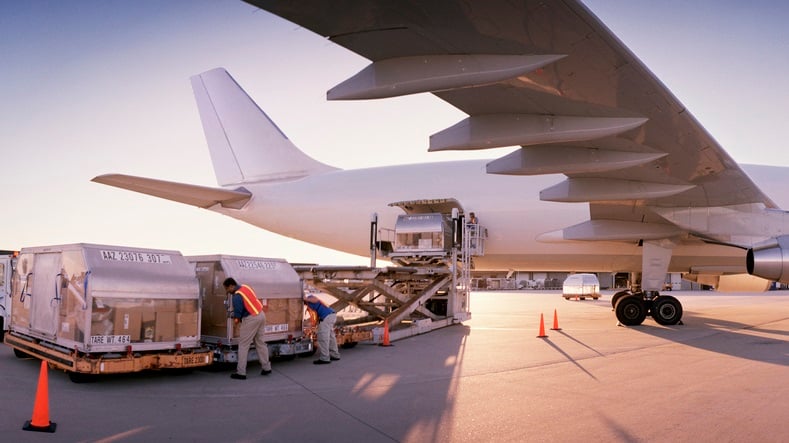
Air cargo shipping refers to transporting goods via commercial airlines, cargo aircraft, and express carriers. Companies choose air cargo China to Japan when they need urgent delivery, high-value shipments, or time-sensitive goods. Additionally, air transport offers enhanced security and greater schedule stability compared with maritime routes.
Key Benefits
- Fastest shipping method between China and Japan
- Highly reliable transit schedules
- Ideal for high-value or delicate goods
- Minimal risk of damage
- Frequent daily flights
Because Japan depends heavily on imports, air cargo is essential for electronics, auto parts, cosmetics, machinery, and eCommerce replenishment.
How Does the Air Cargo Process from China to Japan Work?
Shipping by air involves organized procedures and strict documentation. Moreover, compliance is crucial to avoid customs delays.
Step-by-Step Flow
- Supplier prepares packaging and commercial documents
- Freight forwarder books space on cargo aircraft
- Goods transported to airport warehouse
- Export customs clearance in China
- Air transport to Japan
- Import customs clearance
- Delivery to final destination
Because air freight moves quickly, businesses must ensure all paperwork is correct before departure.
Which Airports Support Air Cargo China to Japan?
China and Japan are connected by one of the densest aviation networks in Asia. This creates flexible routing options and competitive rates.
Major Air Cargo Airports in China
- Shanghai Pudong (PVG) — largest air cargo hub
- Shenzhen Bao’an (SZX) — strong electronics & eCommerce
- Guangzhou Baiyun (CAN) — high-volume cargo consolidation
- Beijing Capital (PEK)
- Xiamen (XMN)
- Chengdu (CTU)
- Hong Kong (HKG) — major international gateway
Major Air Cargo Airports in Japan
- Tokyo Narita (NRT) — primary cargo port
- Tokyo Haneda (HND)
- Osaka Kansai (KIX)
- Nagoya Chubu (NGO)
- Fukuoka (FUK)
Because multiple airports operate daily flights, air cargo remains extremely stable between both markets.
What are you waiting for?
Contact chinatopfreight for a fast, free quote.
Are you ready to book?
Access live instant freight quotes
How Long Does Air Cargo from China to Japan Take?
Transit times are shorter than nearly any other international shipping lane. Additionally, most flights operate multiple times per day.
| Route | Estimated Transit Time |
|---|---|
| Shanghai → Tokyo | 1–2 days |
| Shenzhen → Osaka | 1–2 days |
| Guangzhou → Tokyo | 1–3 days |
| Hong Kong → Osaka | 1–2 days |
| Beijing → Tokyo | 1–3 days |
Express Courier Transit Times (DHL / FedEx / UPS)
- 1–2 days door-to-door
Standard Air Freight (Airport-to-Airport)
- 2–4 days
Therefore, air cargo is ideal for urgent shipments and stock replenishment.
How Much Does Air Cargo China to Japan Cost?
Air cargo pricing depends on route, airline, cargo weight, dimensions, seasonality, and fuel surcharges. Moreover, air freight uses chargeable weight to calculate total cost.
Chargeable Weight Formula
- Volumetric Weight = (Length × Width × Height) / 6000
- You pay whichever is higher: actual weight or volumetric weight.
| Service Type | Price Range | Notes |
|---|---|---|
| Standard Air Freight | $4 – $8 per kg | Good for 100+ kg cargo |
| Express Courier | $8 – $12 per kg | Door-to-door service |
| Economy Air Freight | $3 – $6 per kg | Slower flight allocation |
What Types of Goods Are Suitable for Air Cargo to Japan?
Air freight supports nearly all general cargo, except prohibited or hazardous items requiring special permits.
Common Suitable Goods
- Electronics & components
- Auto parts
- Cosmetics & skincare
- Medical equipment
- Fashion & apparel
- Luxury goods
- High-value tools
- E-commerce parcels
Goods That May Require Special Approval
- Batteries
- Chemicals
- Pharmaceuticals
- Temperature-controlled items
Because airlines follow strict safety rules, proper packaging and documentation is essential.
What Documents Do You Need for Air Cargo Shipping to Japan?
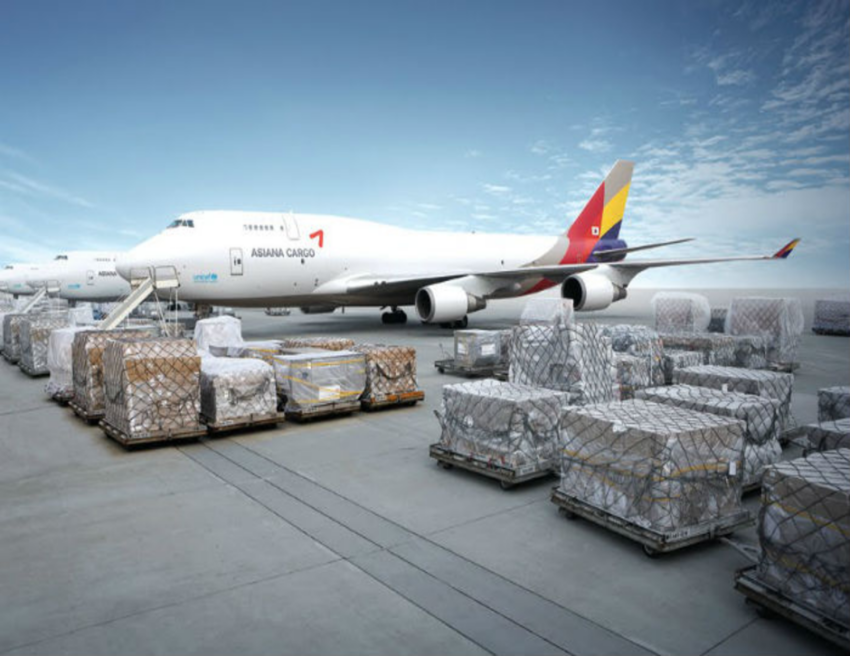
Correct documentation ensures fast clearance and prevents customs penalties.
| Document | Purpose |
|---|---|
| Commercial Invoice | Declares product value |
| Packing List | Lists weight, units, and dimensions |
| Air Waybill (AWB) | Contract of carriage |
| HS Code List | Determines duties & import category |
| Certificate of Origin | Required for some products |
| Product Certificates | For cosmetics, electronics, medical goods |
| Importer License (if applicable) | Required for restricted items |
How Do Customs, Duties & Taxes Work in Japan?
Japan enforces strict yet efficient customs procedures. Therefore, importers must classify goods accurately according to HS codes.
Duty Rates
Most general goods fall between 0%–10%.
Consumption Tax (Japan VAT)
- 10% applied to CIF value
Customs May Inspect Goods For
- Documentation mismatch
- Safety compliance
- Electrical certification
- Cosmetics labeling requirements
Because inspections cause delays, accurate documents are essential.
What Are the Key Differences Between Air, Sea, and Rail Freight?
| Mode | Transit Time | Cost | Best For | Pros | Cons |
|---|---|---|---|---|---|
| Air Freight | 1–4 days | High | Urgent goods | Fast, reliable | Expensive |
| Sea Freight | 10–20 days | Low | Bulk cargo | Cheapest | Slow |
| Rail + Sea (Multimodal) | 8–12 days | Medium | General goods | Balanced | Limited routes |
Because air cargo is the fastest method, it is preferred for time-sensitive industries such as electronics, manufacturing, and luxury goods.
What Incoterms Work Best for Air Cargo China to Japan?
Incoterms determine responsibility for costs, risk, and customs processing.
Recommended Incoterms
- EXW — Buyer handles logistics
- FOB — Supplier covers local Chinese charges
- CIF — Supplier pays freight + insurance
- DAP — Shipper delivers to buyer’s address
- DDP — All-inclusive, including taxes
DDP is convenient but expensive due to customs and tax responsibilities.
Conclusion
Shipping via air cargo China to Japan remains the fastest and most reliable method for businesses needing urgent, secure, and predictable delivery. Because air freight offers multiple daily flights, strong airport networks, and efficient customs processing, it is ideal for industries that depend on just-in-time inventory and high product turnover. By preparing documents correctly, optimizing packaging, choosing proper Incoterms, and working with professional freight forwarders, importers can maximize efficiency and minimize delays. Ultimately, air cargo helps businesses maintain strong supply-chain resilience in the competitive China–Japan trade market.
FAQ
1. How long does air cargo from China to Japan usually take?
Air cargo typically arrives within 1–3 days depending on flight schedules, customs processing, and whether you choose express courier or standard air freight service.
2. Is air cargo more expensive than sea freight?
Yes. Air freight costs significantly more due to speed and security. However, it offers faster delivery and lower risk of damage, making it ideal for urgent goods.
3. What documents are required for air shipping to Japan?
Common documents include the commercial invoice, packing list, air waybill, HS code list, and certificates for products like cosmetics or electronics.
4. Can I ship batteries via air freight?
Yes, but only if they follow airline safety regulations. Lithium batteries require UN38.3 certification and proper packaging to avoid rejection.
5. What goods are best suited for air cargo?
High-value, fragile, or time-sensitive products such as electronics, auto parts, cosmetics, and urgent eCommerce goods are ideal for air freight.