

- By kelly
- November 21, 2025
- Logistics Guide
Reliable Customs Clearance from China to Italy: A Complete Guide
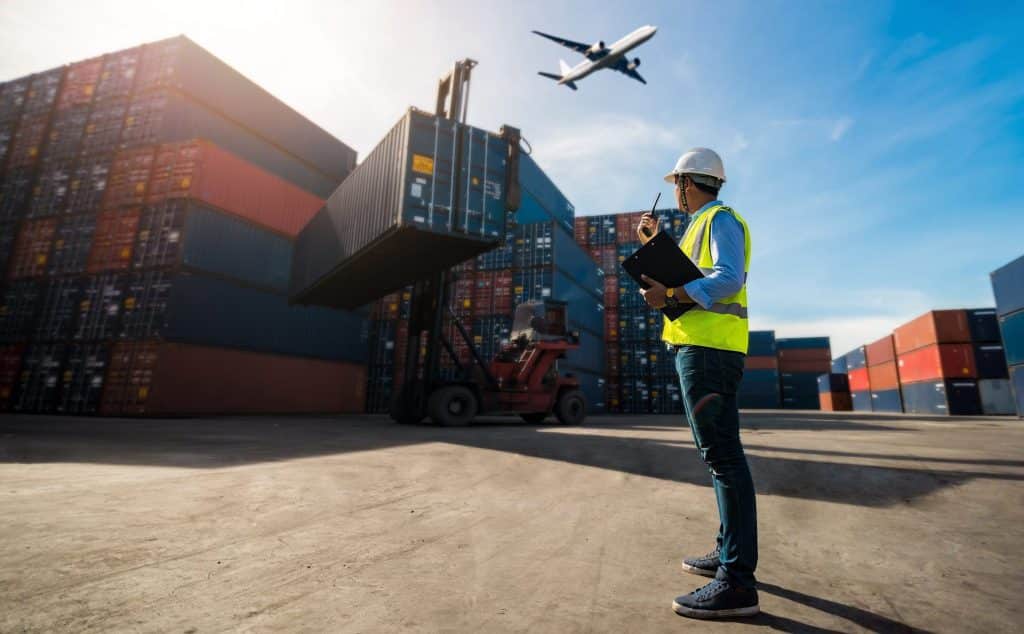
When it comes to reliable customs clearance from China to Italy, businesses often face delays, unexpected costs, or regulatory hurdles. However, by working with a professional freight forwarder like ChinaTopFreight, you can ensure smooth, compliant, and timely clearance of goods across borders. Whether you are shipping electronics, garments, machinery, or consumer goods, this guide explores everything you need to streamline the process.
1. What Does Customs Clearance from China to Italy Involve?
Customs clearance is the process of declaring goods to the destination country’s customs authorities. For shipments from China to Italy, this means complying with both Chinese export regulations and European Union (EU) import rules.
Typical steps include:
- Preparing export and import documentation
- Ensuring accurate Harmonized System (HS) codes
- Paying duties, VAT, and fees
- Coordinating inspections, if applicable
- Getting approval for goods release
These steps must be handled precisely to avoid delays at Italian ports or airports.
2. Why Is Reliable Customs Clearance So Important for Your Supply Chain?
Delays in customs clearance can disrupt your entire supply chain. A single document error can hold your shipment for days or even weeks.
A reliable customs clearance service offers:
- Regulatory compliance: Avoids penalties and seizures
- Faster transit times: Speeds up delivery schedules
- Reduced risk: Prevents unnecessary inspections
- Improved customer satisfaction: Ensures timely delivery
- Cost control: Prevents demurrage or storage fees
3. What Documents Are Required for Customs Clearance to Italy?
To comply with both Chinese export laws and Italian import regulations, you’ll need the following core documents:
Customs Documentation Checklist
| Document | Purpose | Who Prepares It |
|---|---|---|
| Commercial Invoice | Declares value and description of goods | Shipper |
| Packing List | Lists item details and packaging structure | Shipper |
| Bill of Lading / Air Waybill | Proof of transportation | Freight Forwarder |
| Certificate of Origin | Confirms where goods were made | Shipper / Chamber of Commerce |
| Import License (if needed) | Required for restricted goods | Importer |
| CE Marking (for some products) | Confirms EU compliance for safety | Manufacturer / Exporter |
| EORI Number | Required for all EU importers | Importer |
4. What Are the Shipping Methods and Their Customs Implications?
Each shipping method from China to Italy affects how customs clearance is handled.
Shipping Method Comparison
| Mode | Transit Time | Customs Complexity | Cost | Best For |
|---|---|---|---|---|
| Air Freight | 5–7 days | Quick, detailed screening | High | Urgent or high-value goods |
| Sea Freight | 25–35 days | Slower but standard | Low | Bulk, non-urgent cargo |
| Rail Freight | 15–20 days | Moderate, inland routing | Medium | Mixed cargo, moderate urgency |
| Express | 3–5 days | Carrier handles it | Highest | Small parcels, eCommerce |
Moreover, air and express shipments undergo stricter scrutiny due to speed and value, while sea freight requires container handling and port-specific procedures.
5. How Long Does Customs Clearance Take in Italy?
The customs clearance process in Italy typically takes:
- Air Freight: 1–3 business days
- Sea Freight: 3–7 business days
- Rail Freight: 2–5 business days
- Express Shipping: 1 day or less
However, these timelines can vary based on seasonality, product category, or whether customs documents are complete and accurate.
6. What Are the Common Mistakes to Avoid in Customs Clearance?
Even small errors can result in costly delays. Here are common issues importers should avoid:
- Incorrect HS codes
- Misdeclared product values
- Missing CE certifications
- Incomplete invoices
- Failing to pre-register EORI
- Using unverified suppliers or freight forwarders
Fortunately, partnering with an experienced provider like ChinaTopFreight can help you eliminate these risks.
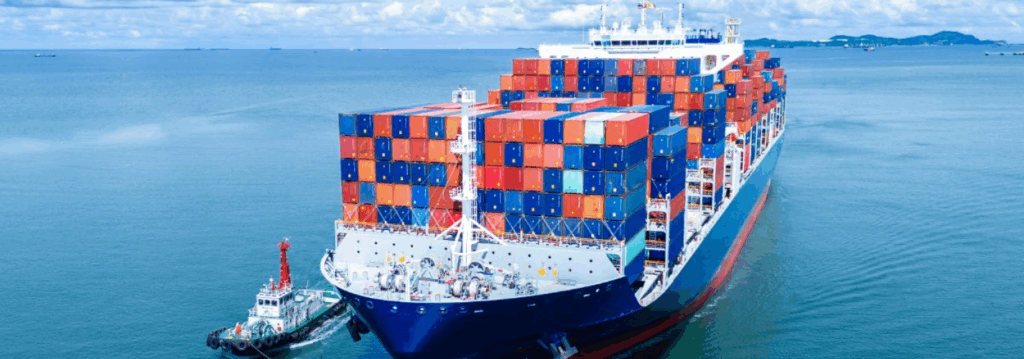
7. What Are the Costs Involved in Customs Clearance?
Here’s a breakdown of typical customs clearance-related costs:
Container Shipping Cost Breakdown (Sea Freight Example)
| Cost Item | Estimated Price (USD) | Notes |
|---|---|---|
| Customs Clearance Fee | $100–$200 | Varies by freight forwarder |
| Import Duty | 0%–12% | Based on product type and HS code |
| VAT (Italy) | 22% | Applied on CIF value + duty |
| Port Handling Charges | $150–$300 | Depends on port of entry |
| DTHC & Local Charges | $200–$400 | Terminal handling & delivery costs |
Note: VAT and import duties depend on product classification, declared value, and Incoterms.
8. How Can You Ensure Compliance with Italian and EU Regulations?
To maintain full compliance:
- Use correct HS codes based on the latest EU tariff schedules
- Confirm product CE certification if applicable
- Verify dual-use export controls for sensitive goods
- Register for an EORI number before shipping
- Engage a freight forwarder with EU customs experience
Reliable customs clearance from China to Italy means being proactive—not reactive—about regulatory requirements.
9. What Are the Pros and Cons of Each Freight Mode for Italian Customs?
Pros and Cons of Air, Sea, Rail Freight
| Mode | Pros | Cons |
|---|---|---|
| Air Freight | Fastest, secure, low damage risk | High cost, weight/volume restrictions |
| Sea Freight | Cost-effective for large volumes | Long transit, port congestion risk |
| Rail Freight | Balanced time & cost, eco-friendlier | Limited network, mid-level complexity |
Choosing the best option depends on your timeline, budget, and cargo volume.
10. How Can ChinaTopFreight Support Your Customs Clearance Needs?
At ChinaTopFreight, we offer end-to-end logistics solutions, including:
- Pre-shipment document review
- Customs declaration services
- Duty and VAT calculation assistance
- Real-time tracking and status updates
- Multimodal shipping from China to Italy
With our industry expertise, we ensure that your shipments move smoothly through both Chinese and Italian customs.
📦Get a Free Quote
Ensure your cargo moves without delays or penalties. For reliable customs clearance from China to Italy, trust ChinaTopFreight’s experienced team to handle compliance, documentation, and delivery—so you can focus on your business.
❓ Frequently Asked Questions
1. What documents do I need for customs clearance to Italy?
You need a commercial invoice, packing list, bill of lading/air waybill, certificate of origin, and sometimes CE marking or import licenses.
2. How long does customs clearance take in Italy?
It usually takes 1–5 business days depending on shipping mode, product type, and documentation accuracy.
3. Do I need an EORI number to import into Italy?
Yes, all EU importers must register for an EORI (Economic Operator Registration and Identification) number before importing goods.
4. What happens if my documents are incorrect?
Incorrect documents can lead to delays, fines, inspections, or even the seizure of goods at Italian customs.
5. How are customs duties and VAT calculated?
Duties are based on HS code and product value. VAT (22%) applies to the total value including shipping and duty.
Conclusion
Shipping goods internationally is complex, but with reliable customs clearance from China to Italy, you avoid costly setbacks and maintain a smooth logistics flow. From proper documentation to selecting the right shipping method and complying with EU regulations, each detail matters. Partner with ChinaTopFreight to simplify your import operations and gain peace of mind from door to door.