

- By ayla tj
- November 21, 2025
- Logistics Guide
Efficient duty handling China to Germany is essential for importers managing international shipments, especially as customs rules, VAT obligations, and documentation requirements continue to evolve. Moreover, incorrect duty calculation or missing paperwork can lead to delays, fines, or shipment seizures at German customs. This guide provides a complete overview of how duties, taxes, and clearance procedures work, ensuring importers maintain a compliant, predictable, and cost-effective supply chain.
What Is Duty Handling China to Germany and Why Does It Matter?

Duty handling refers to calculating, declaring, and paying customs duties and taxes on imported goods. Because Germany is part of the EU Customs Union, strict rules apply to imports from China.
Why duty handling is important
- Ensures compliance with EU regulations
- Prevents customs clearance delays
- Avoids penalties or shipment detention
- Enables accurate landed cost calculation
- Supports smoother supply chain operations
Proper duty management protects businesses from costly disruptions.
Which Duties Apply to Imports From China to Germany?
Imported goods from China may be subject to several types of taxes and fees.
Primary taxes applied
- Customs duty: Based on HS code and product type
- Import VAT (Einfuhrumsatzsteuer): Generally 19%
- Excise tax: For alcohol, tobacco, or energy products
- Anti-dumping duties: For certain Chinese products (e.g., bicycles)
Understanding the duty structure improves cost estimation.
How Do HS Codes Affect Duty Handling China to Germany?
HS (Harmonized System) codes determine tariff rates, VAT categories, and compliance obligations.
Why HS codes matter
- Define EU tariff percentage
- Identify if goods require certificates
- Alert customs to restricted categories
- Affect import VAT calculation
Correct classification avoids disputes with German customs.
What are you waiting for?
Contact chinatopfreight for a fast, free quote.
Are you ready to book?
Access live instant freight quotes
How to Calculate Duties for Imports From China to Germany?
Duty calculation follows a structured process based on product value and tariff rules.
Duty Calculation Formula
- Customs Duty = CIF Value × Duty Rate
- Import VAT = (CIF Value + Duty) × VAT Rate
To calculate CIF (Cost, Insurance, Freight):
CIF = Product Cost + Insurance + Freight
Example calculation
- CIF value: €5,000
- Duty (8%): €400
- VAT (19%): €1,026
- Total landed cost: €6,426
Accurate duty calculation supports pricing and budgeting.
What Documents Are Required for Duty Handling China to Germany?
Germany requires specific documents for customs clearance and tax assessment.
Export & Import Documentation
Table: Customs Documents Checklist
| Document | Required | Purpose |
|---|---|---|
| Commercial Invoice | Yes | Declares value & product info |
| Packing List | Yes | Confirms packaging & quantity |
| Bill of Lading / AWB | Yes | Proof of transport |
| HS Codes | Yes | Determines duties |
| EORI Number | Yes | Required for EU importers |
| CE/RoHS Certificates | For regulated items | EU compliance |
| Import Declaration | Yes | Official customs submission |
| Insurance Certificate | Optional | Risk protection |
These documents ensure a smooth customs review process.
How Does Customs Clearance Work in Germany?
German customs follows EU-wide procedures but is known for strict checks.
Clearance steps
- Submit import declaration
- Validate HS codes and product values
- Review certificates and licenses
- Check labeling and safety standards
- Assess duty and VAT
- Conduct inspection if needed
- Release shipment
A proper compliance strategy avoids customs delays.
What Are the Main Challenges in Duty Handling China to Germany?
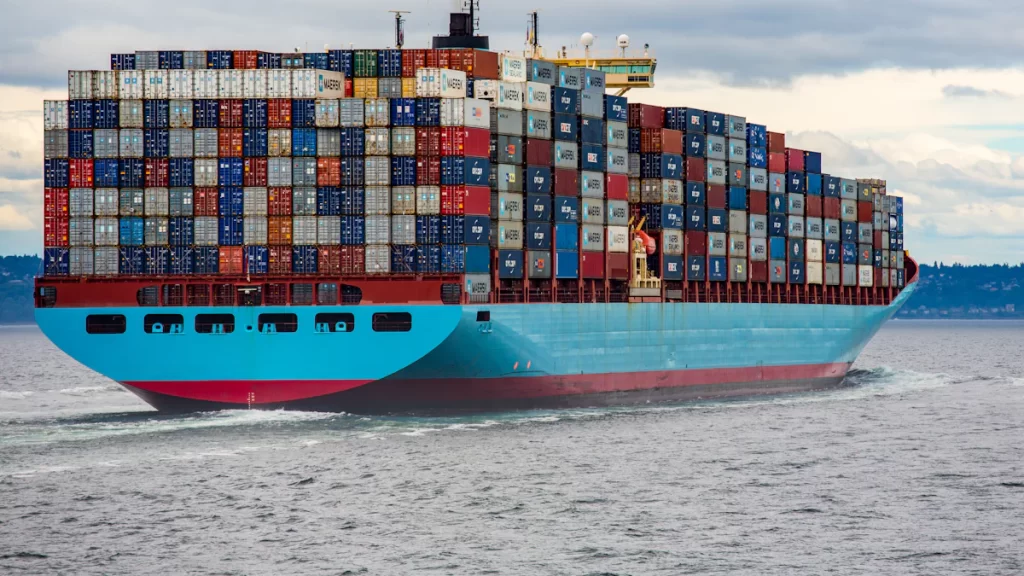
Importers often struggle with compliance, classification, and documentation accuracy.
Common challenges
- Incorrect HS codes
- Underdeclared product value
- Missing CE certification
- Wrong Incoterms on documents
- Inconsistent invoice and packing list
- Lack of EORI registration
These issues frequently lead to shipment detention at German ports.
How Do Incoterms Affect Duty Handling and Customs Obligations?
Incoterms define responsibility for duty payment, customs paperwork, and transport risk.
Incoterms Comparison
Table: Incoterms Impact on Duty Handling
| Incoterm | Exporter Pays | Importer Pays | Ideal Use |
|---|---|---|---|
| EXW | Minimal | All duties & taxes | Experienced importers |
| FOB | Export clearance | Duties & VAT | Standard trade terms |
| CIF | Export + freight | Duties & VAT | Long-distance shipping |
| DDP | Duties, VAT, all costs | None | Turnkey delivery |
| DAP | Export only | Duties & VAT | Flexible deliveries |
Choosing the right Incoterm determines who handles duties and customs filing.
How to Avoid Duty Penalties When Importing From China to Germany?
Proper planning reduces the risk of fines or customs disputes.
Best practices for compliance
- Ensure accurate HS classification
- Provide complete CE/RoHS documents
- Avoid undervaluing goods
- Use certified suppliers
- Maintain consistent data across documents
- Register and verify EORI number
- Use digital records for audit control
- Compliance avoids clearance delays and penalties.
How Does German VAT Apply to Imports From China?
Import VAT (Einfuhrumsatzsteuer) is a major component of landed cost.
VAT rules
- Standard VAT: 19%
- Reduced VAT: 7% for certain goods
- VAT is refundable for registered businesses
- VAT is calculated on CIF + duty
Keeping VAT documentation accurate supports tax reclaim.
Conclusion
Successful duty handling China to Germany requires accurate HS classification, complete documentation, and strict compliance with EU customs rules. Although the process may seem complex, importers can manage duties effectively by understanding tax structures, avoiding common errors, selecting the right Incoterms, and working with knowledgeable freight forwarders. Moreover, preparing complete documents and maintaining data consistency significantly reduces clearance time and prevents penalties. With proper planning and expert support, importers can ensure smooth, compliant, and cost-efficient customs processing for all shipments from China to Germany.
FAQ
1. How are customs duties calculated when importing goods from China to Germany?
Duties are calculated using the HS code and CIF value. German customs applies a percentage based on product classification, and VAT is added after duty calculation.
2. Do I need an EORI number for duty handling in Germany?
Duties are calculated using the HS code and CIF value. German customs applies a percentage based on product classification, and VAT is added after duty calculation.
3. What happens if the invoice value is too low?
Undervaluation often triggers customs audits or inspections. Customs may reassign a higher reference value and issue fines for inaccurate declarations.
4. Are CE certificates required for all Chinese goods imported into Germany?
No. Only regulated goods—such as electronics, toys, and machinery—require CE certification. Non-regulated items do not need CE documentation.
5. How can I prevent delays at German customs?
Accurate documents, correct HS codes, complete compliance certificates, and consistent invoice details help avoid inspections and keep clearance fast.