

- By kelly
- November 21, 2025
- Logistics Guide
Professional Customs Clearance from China to France: 2025 Logistics Guide
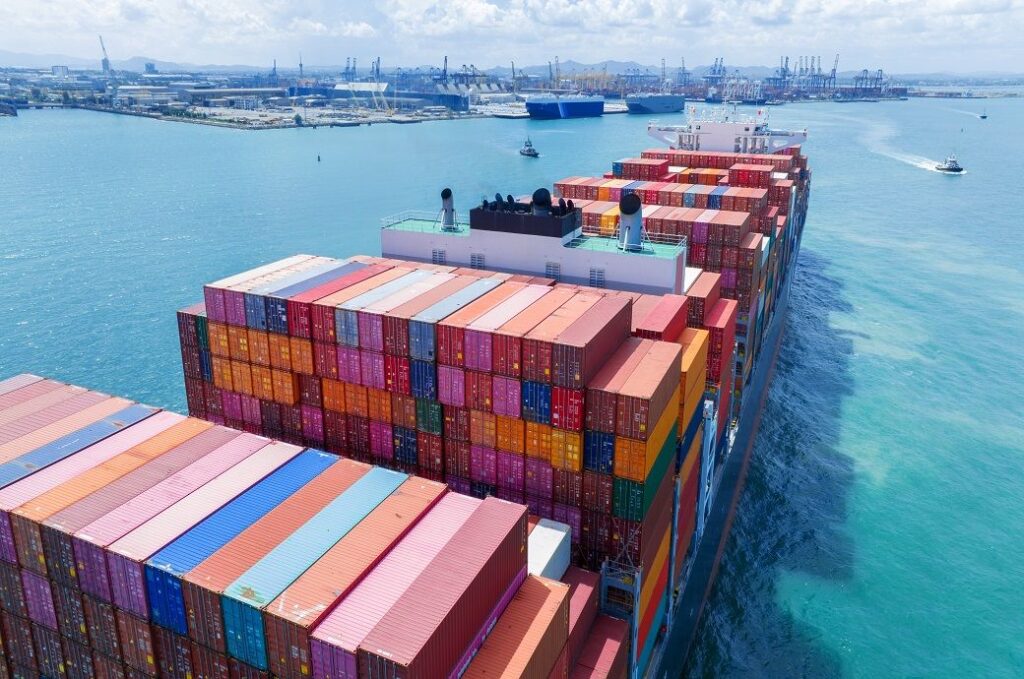
Navigating customs can be challenging for international importers. However, with professional customs clearance from China to France, you can avoid unexpected fees, delivery delays, and non-compliance penalties. Whether you’re importing electronics, textiles, auto parts, or machinery, having the right documentation and an experienced logistics partner is key to hassle-free shipping into France.
This guide provides everything you need to streamline the customs process, reduce risk, and ensure legal, fast cargo entry into the French and broader EU market.
1. What Does Customs Clearance to France Involve?
Customs clearance is the process of submitting documentation, paying duties and taxes, and receiving authorization for your goods to enter France legally.
If not handled professionally, it can result in:
- Port storage fees
- Cargo holds or returns
- Regulatory penalties
- Increased shipping costs
Professional handling ensures cargo flows smoothly through French customs authorities without disruption.
2. What Documents Are Required for France Customs Clearance?
Accurate, complete documentation is vital for preventing clearance delays and fines.
Customs Documents Checklist
| Document | Purpose | Prepared By |
|---|---|---|
| Commercial Invoice | Declares item value, HS codes, and Incoterms | Exporter |
| Packing List | Shows weight, dimensions, quantity | Exporter |
| Bill of Lading / AWB | Confirms shipment and transport mode | Carrier / Forwarder |
| Certificate of Origin | Specifies the origin of goods | Exporter / Chamber |
| CE Certificate (if needed) | Verifies EU safety compliance | Manufacturer / Exporter |
| EORI Number (France) | Required for customs declaration | French Importer |
| Import License (if required) | Needed for restricted items (food, chemicals, etc.) | Importer |
Additionally, providing digital versions in advance helps accelerate pre-clearance.
3. How Do Shipping Methods Influence Customs Clearance?
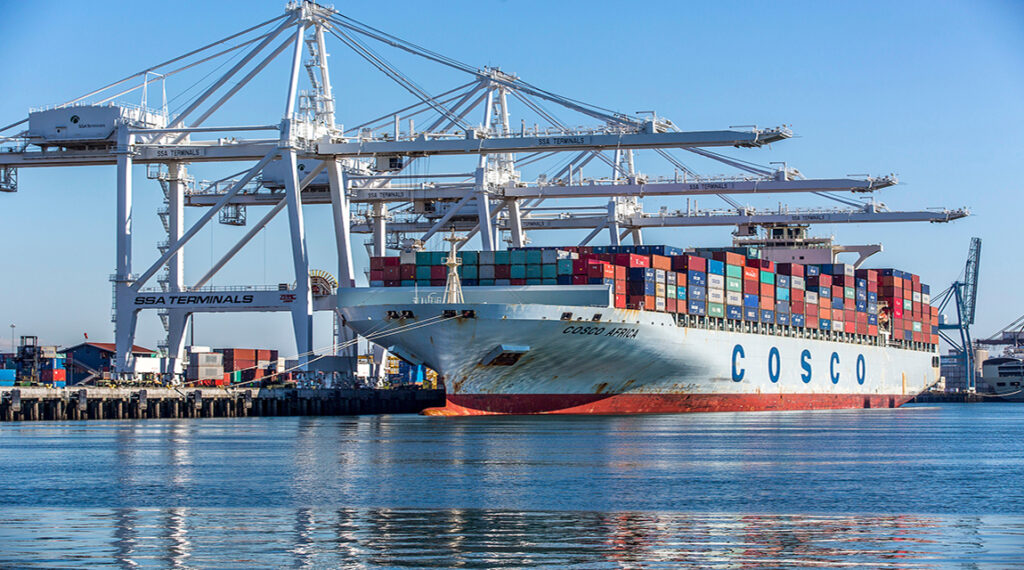
Each shipping mode affects the customs process differently in terms of timing, paperwork, and inspection likelihood.
Shipping Method Comparison
| Mode | Transit Time | Customs Processing | Pros | Cons |
|---|---|---|---|---|
| Air Freight | 5–7 days | 1–2 days | Fast and reliable for urgent cargo | High cost for bulky items |
| Sea Freight FCL | 25–35 days | 3–5 days | Best for high-volume shipping | Slower, potential congestion |
| Sea Freight LCL | 30–40 days | 4–6 days | Cost-effective for small shipments | Delayed due to cargo consolidation |
| Rail Freight | 18–22 days | 2–4 days | Balanced cost and time for inland cargo | Limited network access to France |
| Express Courier | 3–5 days | 1 day | Fastest clearance with minimal input | Highest per kilo cost |
Selecting the correct method depends on urgency, cargo type, and delivery destination.
4. What Are the Key Costs in Customs Clearance?
Understanding your potential customs-related expenses helps you better manage shipping budgets.
Estimated Cost Breakdown (20ft Container – Sea Freight)
| Cost Component | Estimated Amount (USD) | Details |
|---|---|---|
| Customs Brokerage Fee | $80–$150 | Service fee to handle clearance documentation |
| Import Duty (0–12%) | $300–$1,200 | Based on HS code and product classification |
| VAT (France, 20%) | $2,000–$2,400 | Applied to CIF value plus duty |
| DTHC / Terminal Fees | $200–$400 | Depends on port infrastructure |
| Port Handling Charges | $150–$300 | Includes inspection, storage, and unloading |
Efficient customs clearance reduces the likelihood of extra costs caused by inspection or rework.
5. Which French Ports and Airports Offer Efficient Customs Clearance?
Choosing the right point of entry impacts clearance speed and costs.
Top French Entry Points
| Port/Airport | Type | Advantages |
|---|---|---|
| Port of Le Havre | Sea Freight | Major logistics hub with EU-wide reach |
| Port of Marseille | Sea Freight | Strategic for southern France/Mediterranean |
| Paris Charles de Gaulle | Air Freight | Excellent customs clearance infrastructure |
| Lyon-Saint Exupéry Airport | Air Freight | Efficient and less congested |
Working with a forwarder familiar with local customs offices accelerates approvals.
6. What Are the Pros and Cons of Air, Sea, and Rail for France Imports?
Freight Method Pros and Cons
| Method | Pros | Cons |
|---|---|---|
| Air Freight | Fastest for long-distance and time-sensitive goods | Costly for large or heavy cargo |
| Sea Freight | Most cost-effective for bulk goods | Long lead times, risk of port congestion |
| Rail Freight | Sustainable, balanced cost and time | Less flexible, inland destination limitation |
| Express Courier | Fast customs clearance, minimal paperwork | High per kg pricing, volume constraints |
Air freight is best for high-value or urgent goods; sea is ideal for standard volume; rail suits EU-wide inland logistics.
7. How Can HS Codes Affect Your Import Duties?
HS (Harmonized System) codes determine the duty rate and regulatory controls on your goods. Misclassification can lead to:
- Overpayment of duties
- Customs holds or rejections
- Fines or re-declaration requirements
A professional forwarder ensures HS codes are accurate and current, reducing errors and improving clearance speed.
8. Which Products Require Additional Compliance for French Entry?
Some categories need more than standard documentation.
Products Requiring Special Customs Attention
| Product Type | Special Requirements |
|---|---|
| Electronics | CE marking, RoHS compliance |
| Toys and Baby Goods | CE label, EN71 certification |
| Medical Devices | Technical documentation and CE mark |
| Chemicals & Batteries | MSDS, UN code, REACH compliance |
| Food & Supplements | Health certificates, EU-approved labels |
Non-compliance can lead to return shipments or administrative fines.
9. What Are Typical Transit + Clearance Timelines?
Shipping timelines must include customs processing to ensure reliable delivery dates.
Estimated Timeline (Including Clearance)
| Mode | Transit Time | Clearance Time | Total Estimate |
|---|---|---|---|
| Air Freight | 5–7 days | 1–2 days | 6–9 days |
| Sea Freight FCL | 25–35 days | 3–5 days | 28–40 days |
| Sea Freight LCL | 30–40 days | 4–6 days | 34–46 days |
| Rail Freight | 18–22 days | 2–4 days | 20–26 days |
| Express Courier | 3–5 days | 1 day | 3–6 days |
Always allow buffer time during peak seasons or public holidays in France.
10. How Do Freight Forwarders Support Professional Clearance?
A trusted forwarder like ChinaTopFreight provides:
- Document audit and preparation
- CE compliance verification
- EORI registration assistance
- HS code classification
- Customs broker coordination
- Digital tracking of clearance status
End-to-end visibility and expertise reduce errors, delays, and hidden costs.
📦Get a Free Quote
Streamline your shipments with professional customs clearance from China to France. Contact ChinaTopFreight today to request a quote, learn about Incoterms, or get real-time updates on your logistics flow.
❓ Frequently Asked Questions
1. Do I need CE certification to import to France?
Yes, for electronics, toys, and medical equipment. CE ensures compliance with EU safety standards.
2. What’s the fastest customs clearance option for France?
Express and air freight clear the fastest, often within 1–2 business days if documents are accurate.
3. How do I avoid customs delays?
Submit accurate documents, verify HS codes, ensure CE markings, and work with a customs-savvy freight forwarder.
4. Is an EORI number required for all French imports?
Yes, all EU importers must have an EORI number to complete customs declarations in France.
5. Can I track my customs clearance progress?
Yes, most professional forwarders provide online tracking and customs status updates via digital dashboards.
Conclusion
Managing professional customs clearance from China to France requires precision, compliance knowledge, and the right logistics partner. With strict EU regulations and varying cargo requirements, working with a trusted freight forwarder like ChinaTopFreight ensures seamless customs processes, predictable delivery times, and cost-effective international shipping. Start optimizing your cross-border supply chain today with expert customs solutions tailored to your business.