

- By kelly
- November 24, 2025
- Logistics Guide
Open Top FCL Freight Rate for Textiles from China to UK
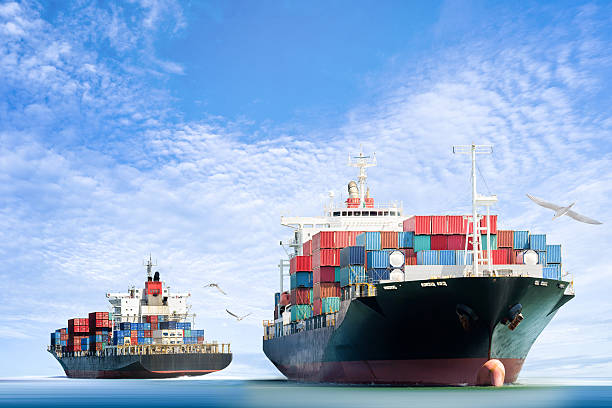
Shipping textiles in bulk demands flexible container options, stable pricing, and predictable delivery planning. Understanding the Open Top FCL freight rate for textiles from China to UK is essential for importers managing oversized rolls, packed fabrics, or irregular textile loads. Since textiles require careful handling and consistent supply chain flow, choosing the right container type and freight rate structure helps reduce delays and save on logistics costs.
1. What Is an Open Top FCL and Why Is It Used for Textiles?
An Open Top FCL is a full container load with a removable roof—either tarpaulin or hard top. It is often used for textile shipments that are too tall, bulky, or irregularly shaped for a standard 40GP container.
Moreover, open top containers allow loading from the top with cranes, making them ideal for large textile rolls, machinery-wrapped fabrics, and high-volume packaging.
2. How Much Is the Open Top FCL Freight Rate for Textiles from China to UK?
Freight rates vary by season, carrier, and port pairing. However, the average Open Top FCL freight rate for textiles from China to UK ranges from $3,000 to $4,800 depending on the route.
Table: Average Freight Rates (Open Top FCL)
| Origin Port (China) | Destination (UK) | Avg. Freight Rate | Notes |
|---|---|---|---|
| Shanghai | Felixstowe | $3,200–$4,400 | Most stable and frequent services |
| Ningbo | Southampton | $3,100–$4,300 | Strong textile route, high reliability |
| Shenzhen | London Gateway | $3,300–$4,600 | Slightly higher cost due to demand |
| Qingdao | Liverpool | $3,500–$4,800 | Longer route, variable availability |
However, textile importers should always request updated quotes due to fluctuating shipping costs driven by fuel charges and global capacity trends.
3. What Factors Influence Open Top FCL Freight Rates?

Freight pricing depends on multiple supply chain variables:
- Seasonal Demand: Peak seasons for textiles (March–May, September–November) increase rates.
- Fuel Surcharges: BAF and CAF directly impact freight cost.
- Port Congestion: China’s major ports may increase handling surcharges.
- Container Availability: Open top units are limited compared to 20GP/40GP types.
- Cargo Weight & Height: Over-height loads may require extra charges.
Additionally, UK ports may apply higher handling fees for special equipment containers.
4. What Is the Transit Time for Open Top FCL from China to the UK?
Transit time usually ranges 29–38 days, depending on the origin port, vessel schedule, and final UK destination.
Table: Transit Time Overview
| Route | Estimated Transit Time | Notes |
|---|---|---|
| Shanghai → Felixstowe | 29–35 days | Most consistent textile route |
| Ningbo → Southampton | 30–36 days | Frequent sailings |
| Shenzhen → London Gateway | 32–38 days | Slower southern route |
| Qingdao → Liverpool | 33–39 days | Longer transit for northern ports |
Transit time also increases when vessels reroute to avoid congestion or adverse weather in the Indian Ocean or Suez region.
5. How Do Open Top Containers Compare with Standard Containers for Textiles?
Textiles can ship in both container types, but open tops are preferred for certain textile categories.
Table: Open Top vs Standard FCL for Textiles
| Feature | Open Top FCL | Standard FCL (40GP) |
|---|---|---|
| Loading Method | Crane/top-friendly | Side loading only |
| Cargo Type | Oversized rolls, bulky textiles | Boxes, pallets, smaller rolls |
| Cost | Higher | Lower |
| Availability | Limited | High |
| Best Use | Irregular textiles, tall cargo | General textile shipments |
Textile importers often use Open Top FCL for large industrial rolls or wide fabric layers that cannot bend without damage.
6. What Documents Are Required for Textile Imports to the UK?
A smooth customs clearance process is essential to avoid delays.
Customs Documents Checklist
| Document | Purpose |
|---|---|
| Commercial Invoice | Declares textile value & HS codes |
| Packing List | Shows dimensions & weight |
| Bill of Lading | Contract of shipment |
| Certificate of Origin | Confirms Chinese origin |
| Textile Compliance Certificates | Needed for sensitive fabrics |
| UK Customs Entry (CHIEF/CDS) | Required for import clearance |
| Insurance Certificate | Protects against loss |
Accurate documentation prevents customs delays and reduces inspection risks.
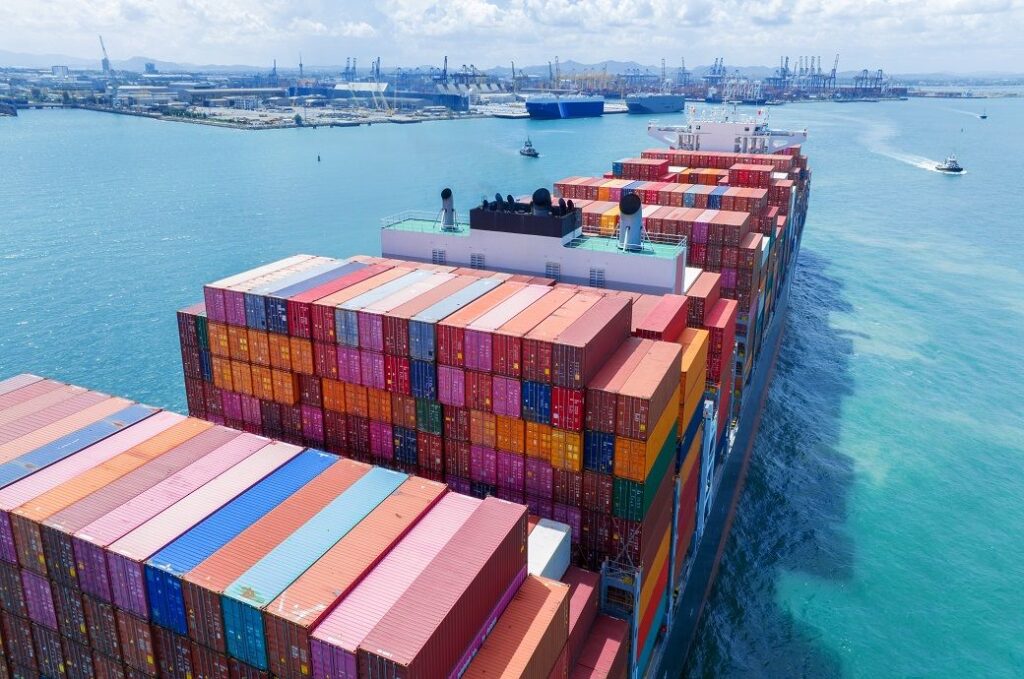
7. How Do Shipping Methods Compare for Textile Imports from China to UK?
Other modes like air and rail may be used depending on urgency.
Table: Shipping Method Comparison
| Mode | Cost | Transit Time | Pros | Cons |
|---|---|---|---|---|
| Sea FCL (Open Top) | Medium | 29–38 days | Ideal for oversized textiles | Container availability limited |
| Sea FCL (Standard) | Low | 28–36 days | Cheapest option | Not suitable for tall cargo |
| Air Freight | High | 3–7 days | Fastest | Expensive for bulk textiles |
| Rail Freight | Medium | 20–28 days | Faster than sea | Limited coverage for UK |
Although sea freight is slower, it remains the preferred method for bulk textile shipments.
8. Why Should Textile Importers Consider Open Top FCL?
Open top containers solve packaging challenges common in textile logistics. They allow:
- Loading tall rolls that can’t fit through standard doors
- Safe handling of bulk fabrics without bending
- Better protection for sensitive textile materials
Therefore, clothing manufacturers, home textile distributors, and industrial fabric suppliers often rely on open top units for special orders.
9. How Can Textile Importers Reduce Freight Rates?
Textile importers can lower costs through:
- Booking in advance during non-peak seasons
- Using direct vessel routes
- Consolidating textile rolls to reduce height
- Maintaining accurate cargo dimensions
- Requesting long-term rate contracts
Additionally, working with a freight forwarder specializing in textile logistics ensures optimal pricing.
10. What Logistics Trends Are Influencing Open Top FCL Pricing?
Several major trends impact freight rates:
- Shift toward direct China–UK services reduces transit time
- Port digitalization in the UK speeds up container handling
- Environmental shipping rules may increase fuel surcharges
- Demand surges in textile seasons tighten capacity
- AI-based supply chain planning improves route predictability
Understanding these trends helps importers forecast pricing and book containers more strategically.
📦Get a Free Quote
To ensure you benefit from competitive Open Top FCL freight rate for textiles from China to UK, our logistics experts provide real-time rate updates, reliable carrier options, and complete customs support. Contact us today for a tailored quotation and secure your textile shipments with confidence and efficiency.
❓ Frequently Asked Questions
1. What is the average Open Top FCL freight rate from China to UK?
Usually between $3,000 and $4,800, depending on the route, carrier, and cargo size.
2. How long does sea freight take for textiles to the UK?
Transit time typically ranges 29–38 days, depending on the port pair and vessel schedule.
3. Is Open Top FCL suitable for all textile types?
Yes, especially for large rolls, wide fabrics, and oversized textile cargo needing top loading.
4. Which UK ports receive most textile shipments?
Felixstowe, Southampton, and London Gateway handle the majority of textile imports.
5. Are Open Top containers more expensive than standard containers?
Yes, they cost more due to limited availability and special handling requirements.