

- By kelly
- November 24, 2025
- Logistics Guide
40HQ FCL Shipping from China to Denmark
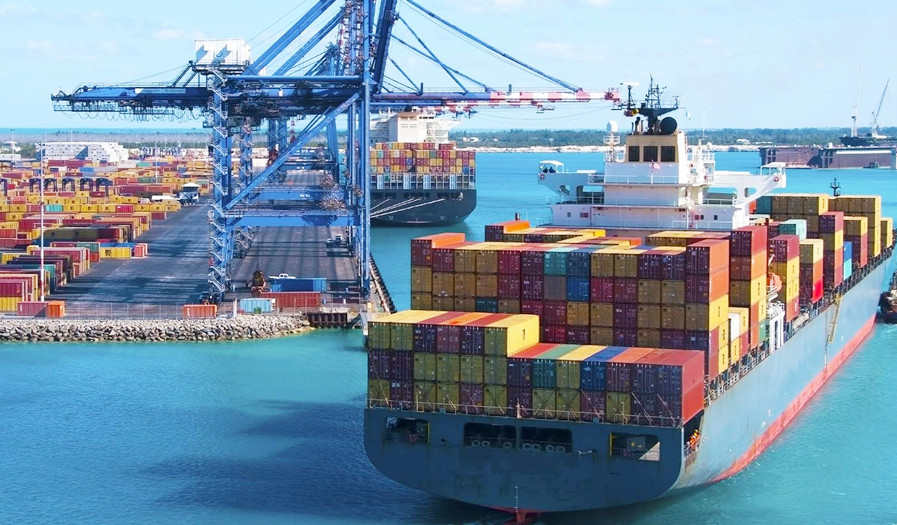
Shipping large volumes of goods efficiently requires a reliable logistics plan, especially when importing from Asia to Northern Europe. Understanding 40HQ FCL shipping from China to Denmark helps businesses control costs, avoid delays, and run a smooth supply chain. Because the 40HQ (High Cube) container offers maximum space and excellent cost-per-unit advantages, it has become the preferred choice for Danish importers across industries like furniture, electronics, clothing, machinery, and home goods.
1. What Is a 40HQ FCL and Why Is It Ideal for Denmark-Bound Imports?
A 40HQ FCL (Full Container Load) is a high-cube container with a taller internal dimension than a standard 40GP. This extra height allows more loading volume—up to 76–78 CBM—which is extremely useful for bulky goods commonly imported into Denmark.
Moreover, using FCL reduces cargo handling, minimizes damage risks, and creates more predictable transit times compared to LCL shipping.
2. What Is the 40HQ FCL Shipping Cost from China to Denmark?
Freight rates vary with season, carrier, and market conditions. The average 40HQ FCL shipping cost ranges from $2,200 to $3,800.
Table: Average 40HQ FCL Freight Rates
| Origin Port (China) | Destination Port (Denmark) | Average Cost | Notes |
|---|---|---|---|
| Shanghai | Aarhus | $2,300–$3,600 | Highly reliable service |
| Ningbo | Copenhagen | $2,400–$3,700 | Popular route for general cargo |
| Shenzhen | Aarhus | $2,500–$3,800 | Slightly higher due to demand |
| Qingdao | Copenhagen | $2,300–$3,650 | Strong industrial cargo route |
However, costs may increase during peak seasons like Christmas or Chinese New Year due to high demand and limited vessel capacity.
3. How Long Is the Transit Time for 40HQ FCL Shipping from China to Denmark?
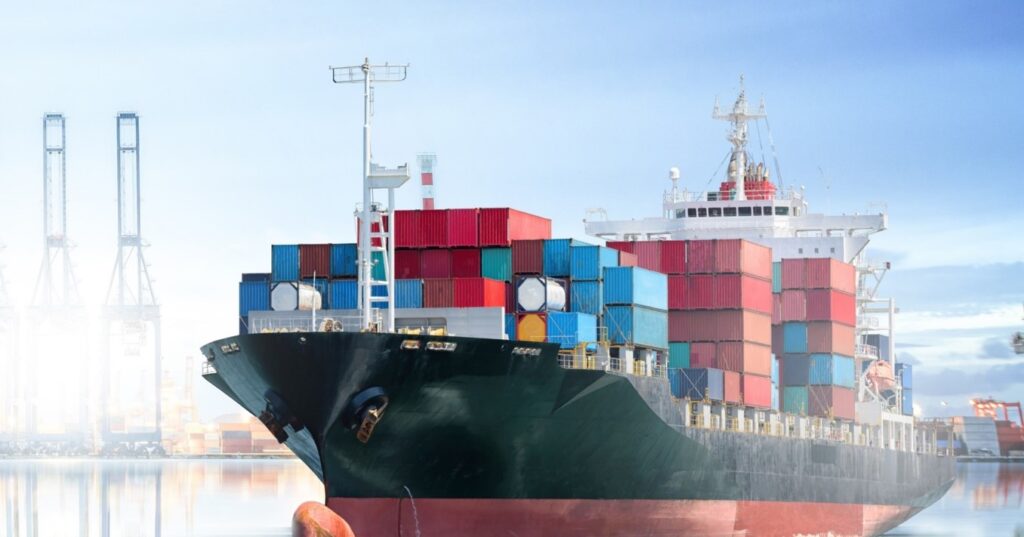
Transit time is typically 30–40 days depending on port pair, carrier schedule, and weather conditions.
Table: Transit Time Estimates
| Route | Transit Time | Notes |
|---|---|---|
| Shanghai → Aarhus | 30–36 days | Most stable route |
| Ningbo → Copenhagen | 31–38 days | Frequent sailings |
| Shenzhen → Aarhus | 32–40 days | Slightly slower southern route |
| Qingdao → Copenhagen | 33–39 days | Longer travel distance |
Additionally, importers should consider customs clearance time (1–3 days) and inland trucking to Danish warehouses.
4. What Factors Affect 40HQ FCL Shipping Costs and Transit Time?
Several logistics variables influence both shipping rates and delivery speed:
- Carrier choice and schedule reliability
- Fuel prices and bunker adjustment factor (BAF)
- Port congestion in China and Northern Europe
- Weather disruptions along the Suez route
- Customs processing speed in Denmark
Therefore, importers are encouraged to book space early and choose stable carriers to reduce delays.
5. What Documents Are Required for Imports into Denmark?
Proper documentation ensures smooth customs clearance.
Customs Documents Checklist
| Document | Purpose |
|---|---|
| Commercial Invoice | Declares value & HS codes |
| Packing List | Shows quantity and packaging details |
| Bill of Lading | Contract of carriage |
| Certificate of Origin | Confirms manufacturing origin |
| Import Declaration (EU Customs) | Required for entry into Denmark |
| Insurance Certificate | Protects cargo against loss |
| CE Certificates (if required) | For regulated items |
Ensuring accuracy reduces the risk of customs inspections and penalties.
6. How Does 40HQ FCL Compare to Other Shipping Methods?
Importers may compare sea FCL with air or rail depending on budget and urgency.
Table: Shipping Method Comparison
| Method | Cost | Transit Time | Pros | Cons |
|---|---|---|---|---|
| 40HQ FCL (Sea) | Low | 30–40 days | Best for bulk cargo | Slowest method |
| Air Freight | High | 3–7 days | Fastest delivery | Very expensive |
| Rail Freight | Medium | 18–25 days | Balanced speed/cost | Limited routes to Denmark |
| LCL (Sea) | Medium | 35–45 days | Good for small loads | Slower due to consolidation |
Because of large volume demand, Denmark importers prefer 40HQ containers for furniture, machinery, home goods, and e-commerce bulk orders.
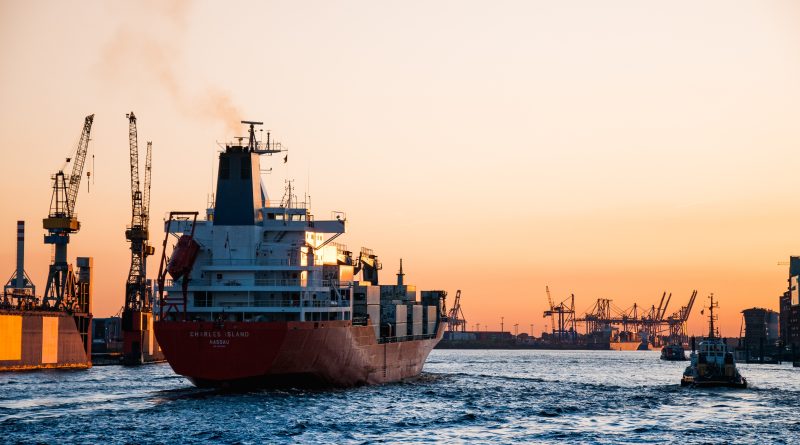
7. Why Choose 40HQ FCL for Denmark-Bound Shipments?
The 40HQ FCL is cost-effective and practical. It allows:
- Maximum loading height for bulky items
- Fewer consolidation delays
- Lower risk of damage
- Predictable transit time
- Better cost-per-CBM efficiency
Furthermore, using a full container simplifies insurance, customs clearance, and inventory planning.
8. How to Reduce Shipping Costs for 40HQ FCL from China to Denmark?
Strategies include:
- Booking during off-peak seasons
- Using long-term freight contracts
- Consolidating orders to fill the container
- Choosing direct sailings with fewer transshipments
- Negotiating with multiple carriers
Additionally, working with a logistics provider specializing in China–EU shipping ensures more competitive rates.
9. What Are the Latest Logistics Trends Affecting China–Denmark Sea Freight?
Several trends influence supply chain planning:
- Digitalized customs clearance speeding up Danish entry
- AI-supported route optimization offering more reliable schedules
- Carrier alliances adjusting capacity and frequency
- Environmental regulations increasing fuel surcharge costs
Moreover, demand from Europe’s growing e-commerce sector continues to push container usage higher.
10. Should You Consider Air or Rail Freight Instead of 40HQ FCL?
Air freight is ideal for urgent shipments such as electronics or spare parts.
Rail freight is faster than sea and cheaper than air, but limited for oversized or high-volume cargo.
However, for bulk shipment sizes, 40HQ FCL remains the most economical and scalable option.
📦Get a Free Quote
To secure reliable 40HQ FCL shipping from China to Denmark, working with an experienced freight forwarder helps you optimize costs, transit time, customs clearance, and cargo visibility. Contact our logistics experts today to receive tailored quotes, updated market prices, and detailed shipping schedules for all container types.
❓ Frequently Asked Questions
1. How long does 40HQ FCL shipping from China to Denmark take?
Transit time is generally 30–40 days, depending on the port pair, carrier schedule, and customs speed.
2. What is the average 40HQ freight rate to Denmark?
Typically $2,200–$3,800, influenced by season, fuel cost, and shipping capacity.
3. Which Danish ports receive 40HQ FCL shipments?
Aarhus and Copenhagen are the main receiving ports for China-origin FCL shipments.
4. Is 40HQ FCL better than LCL for bulk imports?
Yes, it lowers cost per CBM, avoids consolidation delays, and improves cargo safety.
5. Can rail freight replace sea freight for Denmark shipments?
Rail offers 18–25 days transit but is limited for oversized or large-volume goods.
Conclusion
Choosing 40HQ FCL shipping from China to Denmark provides the ideal balance of cost efficiency, loading volume, and predictable transit times. Because 40HQ containers accommodate high-volume and oversized goods, importers benefit from fewer delays and better cost control. By preparing documents correctly, selecting stable carriers, and optimizing shipping schedules, businesses can maintain a smooth and reliable supply chain from China to Denmark.