

- By carlie tj
- November 24, 2025
- Logistics Guide
Exporting solar panels safely across continents requires precision, consistency, and climate control. Understanding the Reefer FCL freight rate for solar panels from China to Florida helps businesses minimize risks and optimize logistics costs. Partnering with ChinaTopFreight ensures secure, cost-efficient, and temperature-regulated sea freight solutions tailored for sensitive shipments like solar equipment and energy products.
1. What Is Reefer FCL Shipping and Why Is It Used for Solar Panels?
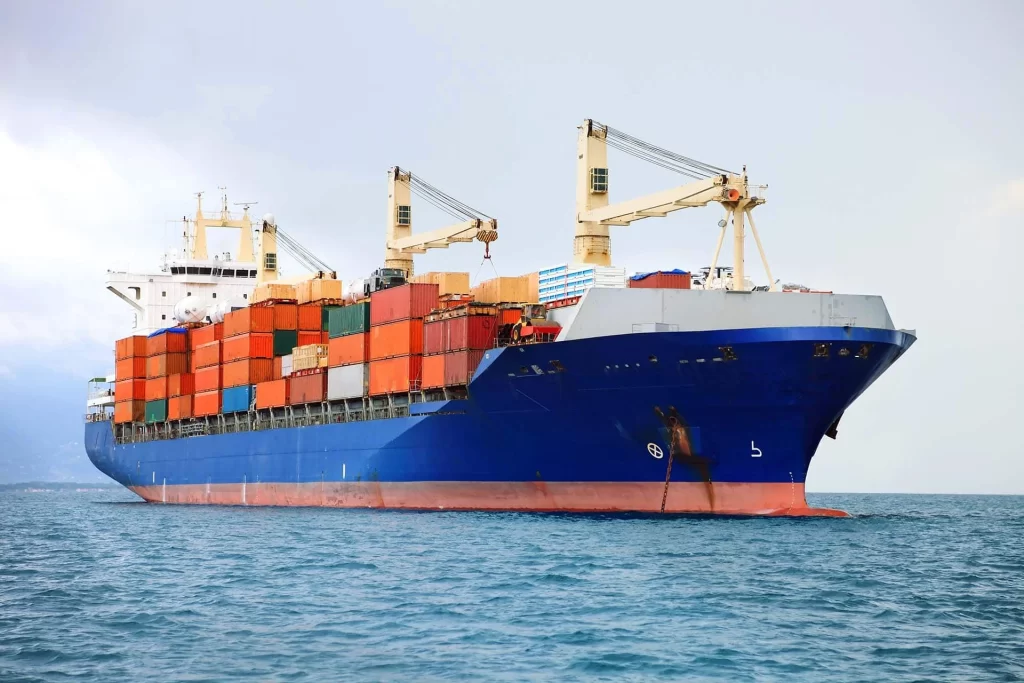
Reefer FCL (Full Container Load) shipping refers to refrigerated containers equipped with temperature and humidity control systems. While they are commonly used for perishables, they are also ideal for solar panels due to their sensitivity to temperature fluctuations, moisture, and static.
Advantages of Reefer FCL for Solar Panels:
- Maintains consistent internal temperature and humidity.
- Prevents condensation and electrical damage.
- Reduces oxidation or corrosion on metal components.
- Ensures stability during long-distance ocean transport.
This container type provides added protection, ensuring panels reach Florida ports—such as Miami, Jacksonville, or Tampa—in pristine condition.
2. How Much Is the Reefer FCL Freight Rate from China to Florida?
The Reefer FCL freight rate for solar panels from China to Florida varies based on several dynamic factors such as carrier selection, season, and container type.
| Container Type | Average Rate (USD) | Transit Time (Days) | Key Features |
|---|---|---|---|
| 20ft Reefer | $4,800–$5,600 | 32–38 | Ideal for small solar shipments |
| 40ft Reefer | $6,000–$7,400 | 33–40 | Suitable for medium-sized orders |
| 40ft High Cube Reefer | $7,300–$8,800 | 35–42 | Maximum storage for full-scale projects |
Note: Prices may vary depending on global fuel costs, port congestion, and trade volume. Early bookings can secure more favorable rates.
3. Why Are Reefer Containers Essential for Solar Equipment?
Solar panels are sensitive to extreme temperatures and humidity. Uncontrolled exposure can degrade their photovoltaic cells and reduce energy efficiency. Reefer FCL containers maintain stable internal conditions, especially crucial when shipping through hot or humid regions during trans-Pacific routes.
Temperature Settings:
- Ideal range: 15°C–25°C (59°F–77°F)
- Humidity: Below 60% to prevent moisture buildup
Moreover, reefer units are equipped with air circulation and data monitoring systems to ensure precise control during the entire shipping journey.
4. Which Chinese Ports Offer Reefer FCL Services to Florida?
| Port of Origin | Destination Port in Florida | Transit Time (Days) | Remarks |
|---|---|---|---|
| Shanghai | Miami | 32–36 | High reefer availability and stable scheduling |
| Shenzhen | Jacksonville | 33–38 | Fast customs clearance, ideal for South China exporters |
| Ningbo | Tampa | 34–39 | Competitive freight rates and flexible departures |
| Qingdao | Port Everglades | 35–40 | Reliable carrier connections for renewable energy products |
Selecting a port closer to your factory location in China can reduce trucking costs and handling fees before container loading.
5. What Factors Influence Reefer FCL Freight Rates for Solar Panels?
Freight rates are shaped by both predictable and variable factors:
- Seasonal Demand: Shipping rates often rise during global peak seasons (May–September).
- Container Availability: Reefer units are limited and in high demand.
- Fuel Costs: Bunker surcharges affect total freight expenses.
- Trade Route Distance: Longer routes or transshipment increase costs.
- Cargo Weight & Volume: Heavier loads consume more energy and increase costs.
- Temperature Requirements: Lower or specific temperature settings may incur surcharges.
Monitoring these logistics trends helps you plan better shipping schedules and avoid unexpected cost fluctuations.
6. How to Calculate the Total Shipping Cost for Reefer FCL?
| Cost Element | Estimated Range (USD) | Description |
|---|---|---|
| Ocean Freight | $4,800–$8,800 | Based on container size |
| Port & Terminal Fees | $200–$400 | Handling and loading charges |
| Customs Clearance | $150–$300 | Documentation and inspection |
| Trucking & Delivery | $300–$600 | From Florida port to warehouse |
| Insurance | $100–$200 | Optional but recommended |
| Reefer Power Surcharge | $150–$350 | For temperature control energy costs |
Understanding each element helps importers accurately budget and negotiate better freight rates.
7. What Documents Are Required for Solar Panel Shipping?
Shipping solar panels from China to Florida involves both export and import documentation.
Essential Paperwork Checklist:
- Commercial Invoice
- Packing List
- Bill of Lading (B/L)
- Certificate of Origin
- Importer Security Filing (ISF – U.S. requirement)
- Insurance Policy
- Customs Declaration
Optional but Recommended:
- UL Certification or CE Marking for product compliance
- Material Safety Data Sheet (if applicable)
- Testing certificates for photovoltaic quality assurance
Proper documentation reduces customs clearance delays and ensures compliance with U.S. renewable energy import regulations.
8. How Long Does It Take to Ship Solar Panels from China to Florida?
The average transit time for Reefer FCL shipments from China to Florida ranges between 32 and 42 days, depending on origin port and vessel routing.
Detailed Breakdown:
- Ocean Transit: 30–38 days
- Export Clearance (China): 1–3 days
- Import Customs (Florida): 2–4 days
- Inland Trucking: 1–2 days
Pro Tip: Shipping during low-traffic seasons can minimize delays and guarantee smoother container movement through major U.S. ports.
9. How to Prevent Damage or Loss During Shipping?
Reefer containers minimize physical and environmental risks, but exporters can enhance safety further through:
- Proper Packaging: Use anti-static wrap, wooden pallets, and corner protectors.
- Moisture Protection: Use silica gel packs inside crates.
- Cargo Securing: Straps and bracing prevent vibration damage.
- Insurance Coverage: Comprehensive insurance covers unforeseen incidents such as sea turbulence or power failure.
These precautions ensure your solar panels arrive in perfect condition for installation.
10.Conclusion
Planning a shipment soon? Contact ChinaTopFreight today to get an accurate Reefer FCL freight rate for solar panels from China to Florida. Our specialists will provide tailored solutions, competitive pricing, and end-to-end support for your import operations.
Request a Quote
China Top Freight offers:
- ✅ Origin and Destination Countries
- ✅ Cargo Type and Volume
- ✅ Preferred Transport Method (Air, Sea, Rail, Road)
- ✅ Delivery Timeline
- ✅ Special Handling Requirements (if any)
FAQ
1. What is the ideal temperature for shipping solar panels in a reefer?
The ideal temperature is between 15°C and 25°C, ensuring no exposure to excessive heat, humidity, or static buildup during transport.
2. Which Florida port is most efficient for solar imports?
Miami and Jacksonville offer efficient reefer infrastructure, quick customs processing, and close proximity to major solar distributors.
3. Can solar panels be shipped in standard containers?
They can, but without humidity and temperature control, there is a higher risk of corrosion and efficiency loss during long voyages.
4. How do I track my Reefer FCL shipment from China?
Your freight forwarder provides a tracking number for real-time GPS and temperature data through digital logistics platforms.
5. Are there import duties on solar panels in the U.S.?
Solar panels are typically duty-free but may incur tariffs depending on country of origin and trade policy changes.