

- By carlie tj
- November 24, 2025
- Logistics Guide
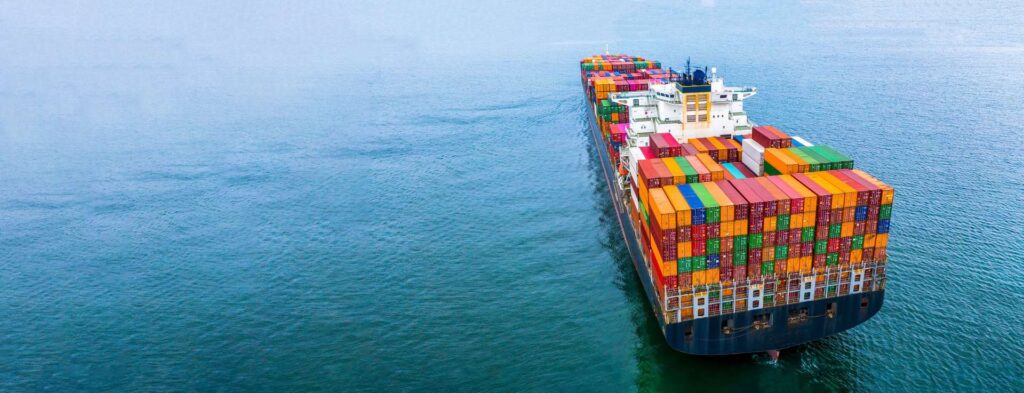
Transporting sensitive electronic equipment across oceans requires precision, protection, and reliability. The Reefer FCL freight rate for electronics from China to Los Angeles is influenced by multiple factors like cargo type, temperature control, and seasonal demand. Choosing the right logistics partner, such as ChinaTopFreight, ensures your shipments are safely delivered under consistent temperature and humidity conditions — all while maintaining cost-efficiency and compliance with U.S. import standards.
1. What Is a Reefer FCL Container and Why Is It Used for Electronics?
A Reefer FCL (Full Container Load) is a temperature-controlled container ideal for perishable or sensitive goods like electronics, semiconductors, and precision instruments. It provides an optimal environment by maintaining a consistent internal temperature throughout the voyage.
Why Electronics Require Reefer Containers:
- Prevents damage from humidity and temperature fluctuations.
- Protects circuit boards and sensors from condensation.
- Ensures consistent product quality for high-value shipments.
- Offers energy-efficient and controlled shipping environments.
These containers are especially beneficial for electronics exports from major manufacturing hubs in China like Shenzhen, Guangzhou, and Shanghai.
2. How Much Is the Reefer FCL Freight Rate from China to Los Angeles?
Freight rates vary based on the container type, route, and seasonal trends. Below is a detailed comparison of typical Reefer FCL freight rates for 2025.
| Container Type | Average Cost (USD) | Transit Time (Days) | Best For |
|---|---|---|---|
| 20ft Reefer | $4,800–$5,600 | 20–25 | Small electronics shipments |
| 40ft Reefer | $6,500–$7,800 | 22–27 | Mid-size electronics cargo |
| 40ft High Cube Reefer | $7,700–$8,900 | 25–30 | Large industrial electronics |
Factors Affecting Freight Rates:
- Container space availability.
- Peak season surcharges (especially Q3 and Q4).
- Route congestion at Shanghai and Los Angeles ports.
- Energy costs and reefer power surcharges.
- Carrier contract rates and booking timing.
Booking early helps secure competitive pricing and guaranteed space during high-demand periods.
3. Which Chinese Ports Handle Reefer FCL Shipments to Los Angeles?
| Port of Origin | Transit Time (Days) | Advantages |
|---|---|---|
| Shanghai | 22–25 | Fast customs clearance, top reefer facilities |
| Shenzhen | 23–27 | Ideal for southern China electronics manufacturers |
| Ningbo | 24–28 | Consistent reefer service frequency |
| Qingdao | 25–30 | Suitable for North China exporters |
These ports have advanced reefer infrastructure and stable carrier connections to the U.S. West Coast, ensuring smooth temperature-controlled transport.
4. Why Is Reefer Shipping Essential for Electronics?
Unlike other cargo, electronics are highly susceptible to temperature and moisture damage. Prolonged exposure to extreme temperatures can cause corrosion, component failure, or oxidation.
Temperature Control Ranges for Electronics:
- Recommended range: 15°C–25°C (59°F–77°F).
- Humidity level: Below 60%.
Reefer FCL containers help maintain this environment automatically throughout the journey, using sensors that continuously adjust temperature and ventilation.
5. What Documents Are Required for Electronics Shipping from China to the U.S.?
Accurate documentation ensures smooth customs clearance and compliance with both export and import regulations.
Essential Documents Checklist:
- Commercial Invoice
- Packing List
- Bill of Lading (B/L)
- Certificate of Origin
- Importer Security Filing (ISF) for the U.S.
- Insurance Certificate
- CE or UL Certification for electronic goods
Optional Documents:
- FCC Declaration for communications equipment.
- Product manuals or safety data sheets.
- Export licenses (if applicable).
Partnering with an experienced forwarder like ChinaTopFreight minimizes the risk of documentation delays.
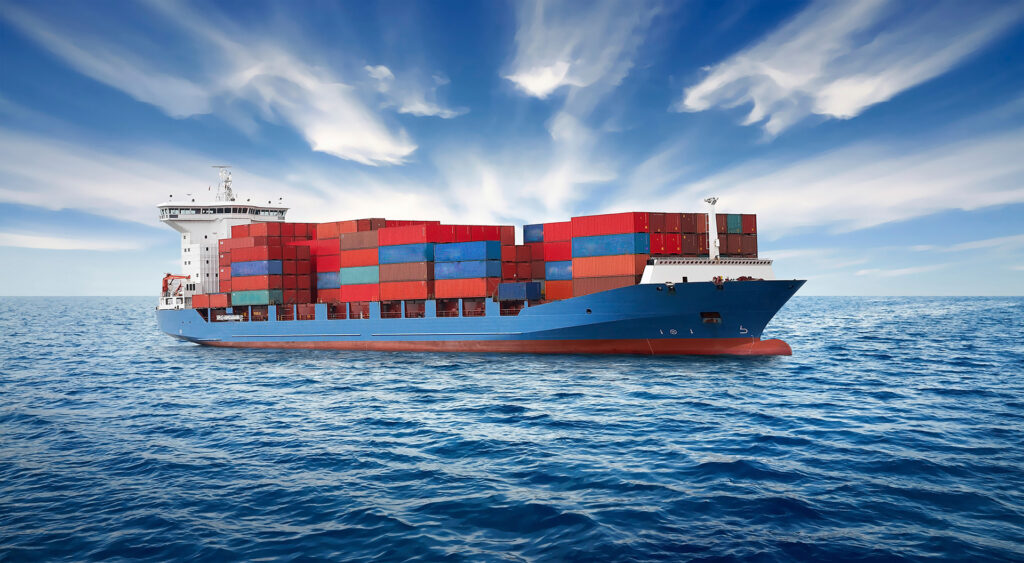
6. How Long Does It Take to Ship Electronics from China to Los Angeles?
Average Transit Time: 20–30 days (port-to-port).
Detailed Timeline:
- Cargo consolidation and loading: 2–3 days
- Ocean transit: 20–25 days
- U.S. customs clearance: 2–4 days
- Inland delivery: 1–2 days
Total Door-to-Door Estimate: 25–35 days
Transit times may vary due to weather conditions, port congestion, and vessel routing.
7. How Does Reefer FCL Compare with Air Freight for Electronics?
| Criteria | Reefer FCL (Sea Freight) | Air Freight |
|---|---|---|
| Cost | $6,000–$8,800 per container | $7–$12 per kg |
| Transit Time | 22–30 days | 3–5 days |
| Cargo Volume | Large (up to 25 tons) | Limited (<2 tons) |
| Temperature Control | Stable, automated | Excellent, but costly |
| Best Use | Bulk shipments | Urgent or small cargo |
Conclusion: Reefer FCL is ideal for large-scale, cost-sensitive shipments, while air freight suits urgent or lightweight deliveries.
8. How to Calculate the Total Shipping Cost for Reefer FCL?
Below is an example breakdown for an electronics shipment from Shenzhen to Los Angeles:
| Cost Component | Estimated Cost (USD) | Description |
|---|---|---|
| Ocean Freight | $6,800 | Container rate |
| Port Fees | $200 | Terminal handling, export fees |
| Customs Clearance | $150 | Documentation and inspection |
| Inland Delivery | $300 | Trucking to Los Angeles warehouse |
| Reefer Power Surcharge | $250 | Energy usage |
| Insurance | $100 | Cargo value protection |
Estimated Total: $7,800–$8,000 per 40ft Reefer container.
9. How to Ensure Cargo Safety During Reefer FCL Shipping?
Best Practices:
- Use anti-static packaging to prevent electrostatic discharge.
- Add moisture absorbers inside boxes.
- Secure cargo with straps to avoid movement.
- Conduct pre-shipment temperature calibration.
- Install data loggers for temperature tracking.
These precautions maintain cargo integrity and ensure products arrive in perfect working condition.
Request a Quote
China Top Freight offers:
- ✅ Origin and Destination Countries
- ✅ Cargo Type and Volume
- ✅ Preferred Transport Method (Air, Sea, Rail, Road)
- ✅ Delivery Timeline
- ✅ Special Handling Requirements (if any)
FAQ
1. What temperature range should be maintained for electronic shipments?
Maintain a temperature between 15°C and 25°C with humidity under 60% to prevent corrosion and component damage.
2. How early should I book a Reefer FCL container?
Book at least 2–3 weeks in advance to ensure container availability and stable freight rates.
3. Can I ship mixed cargo with electronics in one reefer container?
Only if all items require similar temperature and humidity conditions to avoid contamination or damage.
4. What happens if the reefer unit malfunctions mid-transit?
Modern reefers have alert systems that notify carriers and forwarders immediately for corrective action.
5. Do reefer containers consume more fuel during shipping?
Yes, due to refrigeration needs, resulting in slightly higher freight rates compared to dry containers.
Conclusion
Looking for reliable Reefer FCL freight rate for electronics from China to Los Angeles? Contact ChinaTopFreight today for tailored shipping solutions, real-time tracking, and competitive pricing. Optimize your electronics logistics with expert handling and guaranteed container availability.