

- By kelly
- November 25, 2025
- Logistics Guide
Reefer FCL Detention Prevention for Machinery from China to Georgia
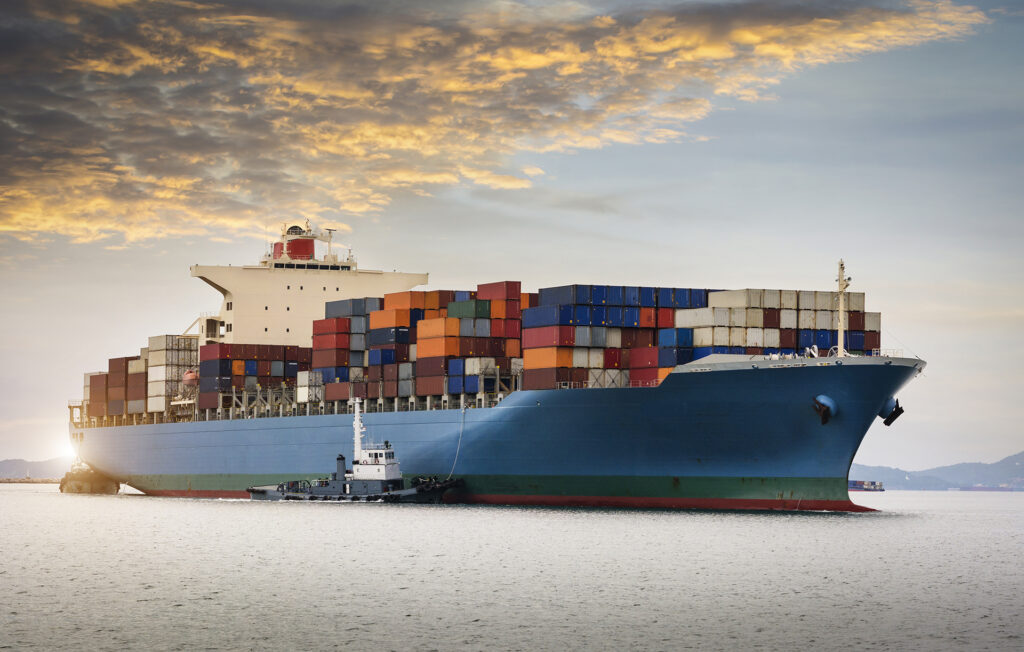
Shipping temperature-sensitive machinery in reefer containers from China to Georgia is a precise operation. However, failure to manage detention risks can lead to costly delays. This article will guide you through the Reefer FCL detention prevention for machinery from China to Georgia, covering documentation, timing, compliance, and smart logistics strategies.
What Is Reefer FCL and Why Use It for Machinery?
Reefer FCL (Full Container Load refrigerated shipping) is commonly used for temperature-sensitive cargo. While most associate reefer containers with perishables, many advanced machines—like 3D printers, electronic medical devices, or CNC systems—require climate-controlled environments to avoid malfunction or damage.
When to Use Reefer for Machinery:
- High-tech machinery sensitive to humidity or heat
- Equipment with lubricants or electronic components
- Precision instruments needing controlled ambient conditions
Why Does Detention Happen with Reefer Containers?
Detention occurs when containers are held beyond the free period, either at the port or during unloading. Reefer containers accrue higher penalties than dry containers due to their electricity needs and maintenance costs.
Common Detention Scenarios:
- Late pickup at destination port
- Customs inspection delays
- Inadequate delivery coordination
- Factory unprepared for loading
How to Prevent Reefer FCL Detention When Shipping to Georgia??

Preventing detention charges requires planning, communication, and aligning all parties—suppliers, carriers, forwarders, and buyers.
Key Strategies for Detention Prevention:
- Pre-book port appointments: Georgia’s inland depots are strict on container return timelines.
- Pre-clear customs: Submit accurate paperwork before vessel arrival.
- Ensure factory readiness: Machinery must be packed and ready when the container arrives.
- Partner with experienced freight forwarders: They coordinate schedules and solve delays proactively.
What Is the Shipping Timeline from China to Georgia for Reefer Containers?
Shipping timelines vary by port of origin and route. Most shipments pass through Poti Port or Batumi via Black Sea entry points.
Estimated Transit Time Table
| Origin Port | Transit to Poti, Georgia | Total Door-to-Door Time |
|---|---|---|
| Shanghai | 35–40 days | 45–50 days |
| Shenzhen | 33–38 days | 43–48 days |
| Ningbo | 34–39 days | 44–49 days |
| Qingdao | 36–42 days | 46–52 days |
What Documents Are Needed to Avoid Customs Delays in Georgia?
Incomplete or inaccurate documentation is a leading cause of detention.
Customs Documents Checklist
| Document | Description | Importance |
|---|---|---|
| Commercial Invoice | Shows machine value and specs | Critical for customs valuation |
| Packing List | Lists components and weights | Used for inspection and duty calculation |
| Bill of Lading | Evidence of contract of carriage | Required for cargo release |
| Certificate of Origin | Confirms country of manufacture | Reduces duty under FTAs |
| Import License (if applicable) | Needed for certain machines | Check Georgian import rules |
| Technical Sheet | Equipment specs and HS codes | Helps customs classification |
What Are the Costs of Reefer FCL Shipping to Georgia?
Reefer containers are costlier than dry containers due to temperature control systems. Costs also include reefer plug-in fees at port terminals.
Estimated Cost Breakdown for 40’ Reefer FCL
| Cost Component | Amount (USD) |
|---|---|
| Ocean Freight | $4,800 – $6,500 |
| Reefer Surcharge | $600 – $900 |
| Port Handling & Plug-in | $200 – $450 |
| Customs Clearance | $150 – $300 |
| Inland Trucking (Poti–Tbilisi) | $500 – $800 |
| Total Estimated Cost | $6,250 – $8,950 |
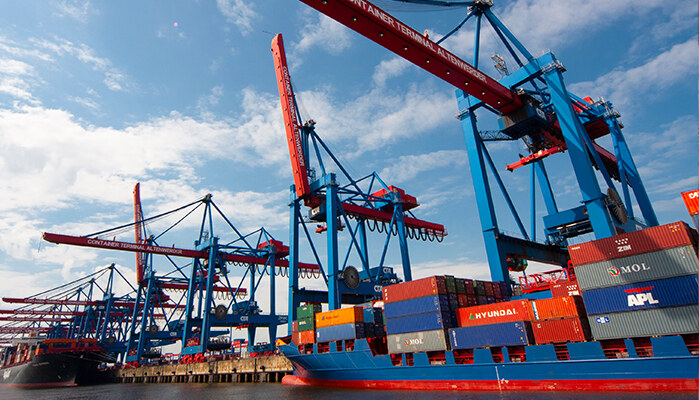
What Are the Penalties for Reefer Detention?
Detention rates for reefer containers can be severe, especially after the free period (usually 5 days).
Typical Reefer Detention Charges
| Time Exceeded | Charge Per Day |
|---|---|
| Days 6–10 | $150 – $200/day |
| Days 11–15 | $250 – $300/day |
| 16+ Days | $350+/day |
Avoiding even a few days of detention can save thousands of dollars.
Is It Better to Ship by Air, Sea, or Rail to Georgia?
Choosing the right method depends on urgency, cost, and cargo nature.
Shipping Method Comparison
| Method | Cost | Transit Time | Pros | Cons |
|---|---|---|---|---|
| Sea (Reefer FCL) | $$ | 40–50 days | Cost-effective, large volume | Slower, risk of detention |
| Rail Freight | $$$ | 25–30 days | Balanced speed and cost | Limited reefer capacity |
| Air Freight | $$$$ | 3–7 days | Fastest | Expensive, limited cargo size |
Can You Consolidate Machinery in Reefer FCL Shipments?
Yes, but only if the items share the same temperature and humidity needs. Mixed cargoes may cause damage or compliance issues.
Consolidation Tips:
- Avoid mixing refrigerated items with dry goods
- Maintain consistent temperature range
- Package all units securely to avoid moisture-related damage
How Does Customs Clearance Work for Machinery in Georgia?
Georgian customs require precise documentation and may inspect high-value or high-tech equipment. Work with a licensed broker to handle declarations and duties.
Helpful Tips:
- Provide HS codes upfront to avoid misclassification
- Request pre-approval for equipment with electronic parts
- Translate technical documents if needed for local review
📦Get a Free Quote
Proactive planning is the key to successful Reefer FCL detention prevention for machinery from China to Georgia. Let our experts handle the coordination, compliance, and delivery to help you avoid costly setbacks and ensure safe cargo arrival. Request a quote today and make your next shipment seamless.
❓ Frequently Asked Questions
1. Why are reefer detention fees higher than dry containers?
Because reefer containers require electricity and maintenance, detention fees are significantly higher than for regular containers.
2. Can I use reefer shipping even if the machinery is not perishable?
Yes, if the equipment is sensitive to temperature or humidity, reefer is ideal for maintaining optimal conditions.
3. How long is the free detention period in Georgia?
Typically 5 days after container discharge. After that, daily detention charges begin to apply.v
4. What causes reefer container detention most often?
Late pickup, port congestion, incomplete documentation, or customs delays are the most common causes.
5. Can I track reefer conditions during transit?
Yes, modern reefers have GPS and temperature monitoring systems that allow real-time tracking of cargo environment.
Conclusion
The Reefer FCL detention prevention for machinery from China to Georgia hinges on meticulous planning, fast customs clearance, and synchronized logistics. Avoiding detention is not just about saving money—it ensures timely delivery and preserves the integrity of sensitive machinery. Whether you’re shipping medical devices or industrial-grade electronics, partnering with professionals can minimize risks and maximize shipping efficiency. Ready to ship without delays? Let’s get started.