

- By carlie tj
- November 25, 2025
- Logistics Guide
When shipping temperature-sensitive or delicate machinery overseas, understanding reefer FCL transit time for machinery from China to Portugal is essential. Reefer containers maintain a controlled environment, ensuring equipment integrity. Learn how to manage timing, costs, and logistics effectively with expert guidance from ChinaTopFreight, a leading freight forwarder in China.
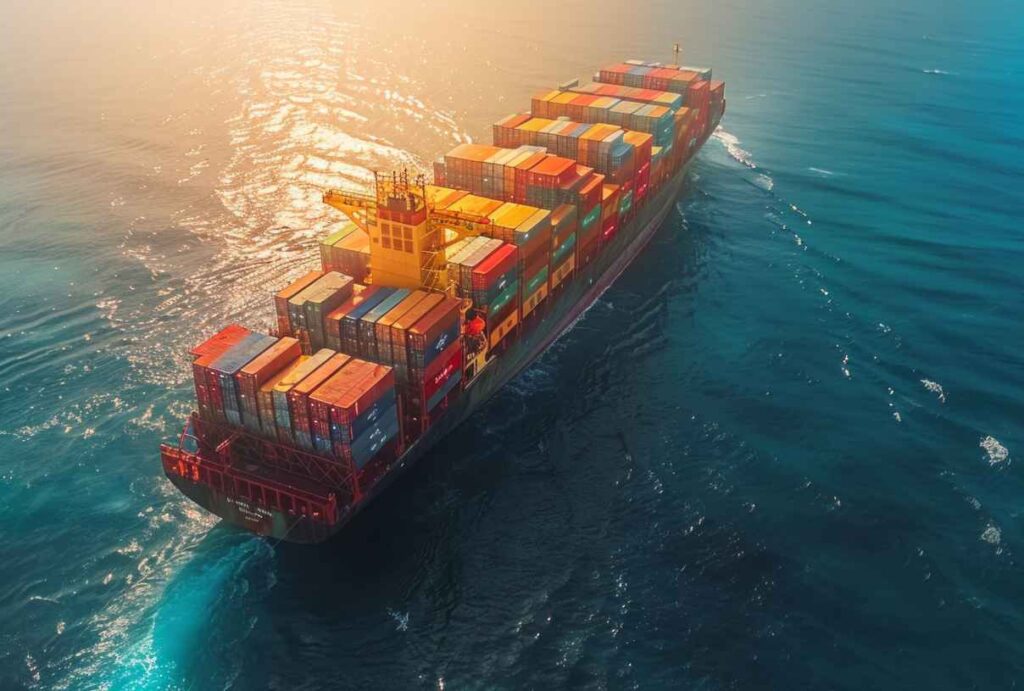
1. What Is Reefer FCL Shipping and Why Is It Used for Machinery?
Reefer FCL (Full Container Load) shipping refers to using refrigerated containers to maintain stable temperatures during transit. While reefers are often used for food, pharmaceuticals, or chemicals, they also protect sensitive machinery from humidity, corrosion, and temperature fluctuations.
Why it matters:
- Protects high-value machinery from condensation
- Ensures consistent performance of electrical and mechanical components
- Reduces post-shipment calibration or damage costs
2. Why Ship Machinery from China to Portugal via Reefer FCL?
Portugal’s growing industrial and renewable energy sectors frequently import heavy or precision equipment from China. Using reefer containers ensures reliability, particularly for:
- CNC machines
- Medical imaging equipment
- Semiconductor manufacturing devices
- Laser cutters or automated systems
Moreover, reefer FCL transit provides exclusive control over container conditions, minimizing third-party handling risks.
3. How Long Is the Reefer FCL Transit Time for Machinery from China to Portugal?
The reefer FCL transit time for machinery from China to Portugal typically ranges between 28 to 40 days, depending on departure and arrival ports, vessel schedule, and route.
Table: Estimated Reefer FCL Transit Time (2025)
| Origin Port | Destination Port | Estimated Transit Time | Route Type |
|---|---|---|---|
| Shanghai | Lisbon | 30–35 days | Direct via Suez Canal |
| Shenzhen | Porto | 28–32 days | Fastest southern route |
| Ningbo | Leixões | 35–40 days | Transshipment via Algeciras |
| Qingdao | Lisbon | 33–38 days | Northern China route |
Transit times can vary slightly due to weather conditions, customs procedures, or vessel congestion at European ports.
4. What Are the Pros and Cons of Reefer FCL vs Other Shipping Modes?
Table: Comparison of Reefer FCL vs Other Transport Modes
| Mode | Cost | Transit Time | Temperature Control | Suitable Cargo | Pros | Cons |
|---|---|---|---|---|---|---|
| Reefer FCL | Medium–High | 28–40 days | Excellent | Machinery, precision tools | Secure & stable | Slower than air |
| Air Freight | Very High | 3–7 days | Limited | Urgent goods | Fast | Costly |
| Rail Freight | Medium | N/A | Moderate | Europe–China inland | Eco-friendly | Not available to Portugal |
| LCL Sea | Low | 35–45 days | None | Small parts | Economical | Shared risk |
For delicate machinery, reefer FCL offers the perfect balance of safety and affordability.
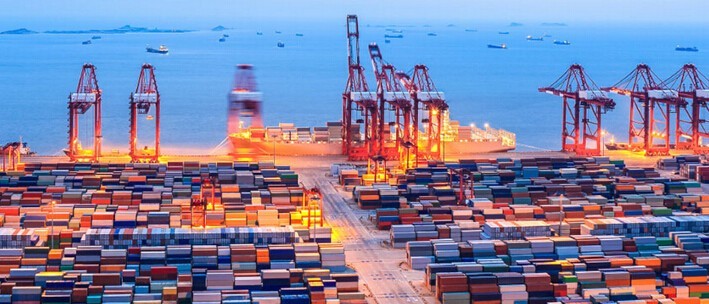
5. How Much Does Reefer FCL Shipping Cost from China to Portugal?
Costs depend on season, container size, and special handling requirements. Refrigerated containers generally cost 25–40% more than dry FCL containers due to power and temperature control.
Table: Estimated Reefer FCL Shipping Costs (2025)
| Route | Estimated Cost (USD) | Container Type | Temperature Range |
|---|---|---|---|
| Shanghai → Lisbon | $3,800 – $4,500 | 20FT Reefer | -20°C to +20°C |
| Shenzhen → Porto | $3,500 – $4,200 | 20FT Reefer | -10°C to +25°C |
| Ningbo → Leixões | $3,700 – $4,400 | 40FT Reefer | -18°C to +18°C |
To optimize cost, freight forwarders consolidate shipments and manage energy-efficient temperature control settings for machinery.
6. What Are the Key Steps in Reefer FCL Booking for Machinery?
Booking Process Overview:
- Confirm cargo volume, weight, and sensitivity requirements
- Select an appropriate reefer container type (20FT or 40FT)
- Schedule booking with your freight forwarder
- Prepare export documentation (invoice, packing list, etc.)
- Load machinery securely with anti-vibration and moisture-proof materials
- Ship via ocean freight to designated Portuguese port
- Clear customs and arrange inland delivery
A reliable partner like ChinaTopFreight can coordinate every step, ensuring precise temperature settings and timely delivery.
7. How to Choose the Right Reefer Container for Machinery?
Reefer containers come in several configurations depending on cooling needs:
- Standard Reefer (20FT/40FT): Most common for electronics and precision instruments
- High Cube Reefer (40HC): Ideal for tall machinery
- Controlled Atmosphere Reefer: Maintains specific humidity and oxygen levels
Choosing the correct unit ensures that your machinery arrives in factory-ready condition.
8. What Customs Documents Are Required for Reefer FCL Machinery Shipping?
Proper documentation prevents clearance delays. Below are essential papers for Portugal imports:
Document Checklist:
- Bill of Lading (B/L)
- Commercial Invoice
- Packing List
- Certificate of Origin (Form A or EUR.1)
- Importer Security Filing (ISF)
- Product Manual and HS Codes
- Import License (if required)
Failure to provide accurate data may result in demurrage or detention fees.
9. How to Minimize Delays in Reefer FCL Transit from China to Portugal?
To ensure smooth logistics:
- Book containers early (2–3 weeks ahead)
- Maintain precise cargo temperature requirements
- Verify Portuguese import restrictions for your machinery type
- Coordinate customs and trucking before vessel arrival
- Use temperature monitoring technology
Additionally, digital tracking systems help monitor reefer container temperatures and movement in real time.
10.Conclusion
In conclusion, reefer FCL transit time for machinery from China to Portugal averages 28–40 days, depending on route and customs processes. Using reefer containers ensures safe, temperature-controlled transportation for delicate industrial machinery. To optimize schedules and reduce logistics risks, collaborate with ChinaTopFreight—your trusted freight partner for dependable, efficient, and fully managed reefer FCL shipping solutions.
Request a Quote
China Top Freight offers:
- ✅ Origin and Destination Countries
- ✅ Cargo Type and Volume
- ✅ Preferred Transport Method (Air, Sea, Rail, Road)
- ✅ Delivery Timeline
- ✅ Special Handling Requirements (if any)
FAQ
1. What temperature range can a reefer FCL container maintain?
It can maintain between -25°C and +25°C, ideal for protecting machinery from humidity or extreme temperature fluctuations.
2. Which ports are best for machinery imports in Portugal?
Lisbon and Porto (Leixões) are the main ports, offering smooth customs clearance and direct routes from major Chinese ports.
3. How can I avoid delays in reefer shipping?
Book early, prepare accurate documentation, and use real-time tracking systems for proactive logistics management.
4. What is the ideal container for large machinery?
A 40HC reefer container provides more internal height and is suitable for oversized or tall industrial machinery.
5. Are reefer containers energy-efficient during transit?
Modern reefers use advanced power-saving technology, reducing electricity consumption while maintaining stable conditions for long voyages.