

- By ayla tj
- November 25, 2025
- Logistics Guide
Handling Open Top FCL shipping from China to Portugal can be complex because oversized or irregular cargo requires careful loading, specialized equipment, and precise documentation. Since Portugal serves as both a destination and a gateway to the EU, importers need a structured shipping plan to avoid delays and unexpected charges. This guide explains the full process and offers practical steps to streamline your shipments.
What Is Open Top FCL Shipping and Why Is It Used for Portugal-Bound Cargo?
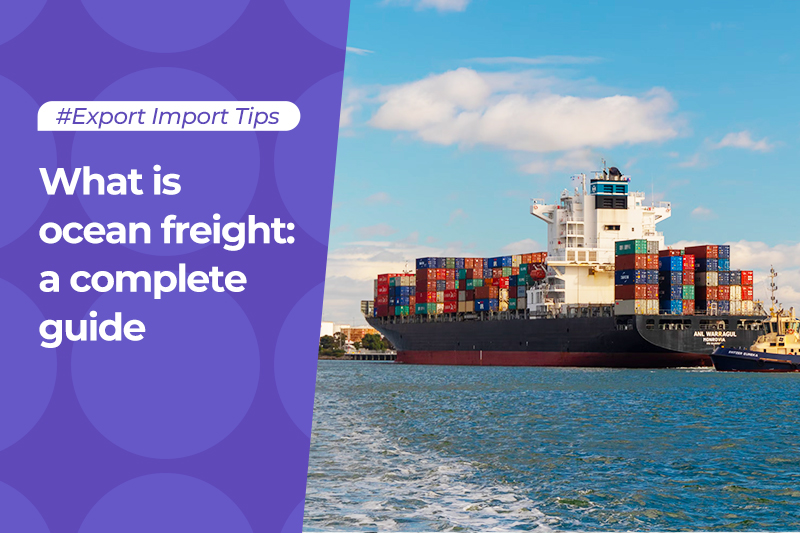
Open Top FCL containers are designed to carry cargo that cannot fit through standard container doors or exceeds normal height limits. Moreover, the removable roof allows loading by crane or forklift from the top, making it ideal for oversized machinery, equipment, pipes, and construction materials.
Key Cargo Types for Open Top Containers
- Large machinery and industrial equipment
- Vehicles and heavy components
- Long pipes, steel structures, and prefabricated parts
- Oversized wooden crates
- Construction and energy equipment
How Does the Open Top FCL Shipping Process from China to Portugal Work?
The shipping process involves coordination between factories, freight forwarders, carriers, and customs authorities. Additionally, oversized cargo often requires route planning and special handling arrangements.
Step-by-Step Overview
- Assess cargo dimensions and weight
- Choose suitable Open Top container type
- Request shipping quotes
- Book space with carrier
- Confirm loading equipment availability
- Submit shipping documentation
- Load and secure the cargo
- Transport to port and gate-in
- Vessel departure
- Customs clearance in Portugal
What Documents Are Required for Open Top FCL Shipments to Portugal?
Open Top shipments require the same core documents as standard FCL cargo, but oversized cargo may need extra certificates or detailed packing descriptions. Furthermore, Portuguese customs follows EU import guidelines, requiring accuracy in documentation.
Essential Documents Checklist
- Commercial Invoice
- Packing List
- Bill of Lading
- Certificate of Origin
- Oversized cargo declaration
- Fumigation certificate (if wooden crates used)
- HS code classification
- CE certificate (for certain equipment)
Customs Documents Checklist
| Document Type | Purpose | Required For |
|---|---|---|
| Commercial Invoice | Declares value | All shipments |
| Packing List | Confirms measurements | All shipments |
| Bill of Lading | Transport document | All FCL |
| COO | Preferential tariffs | Optional |
| Fumigation | Wood packaging | Wooden crates |
| CE Certificate | EU compliance | Machinery & electronics |
How Much Does Open Top FCL Shipping from China to Portugal Cost?
Prices vary depending on season, oversize degree, carrier availability, and required lifting equipment. Additionally, ports like Shanghai, Ningbo, and Shenzhen may charge different handling fees.
Cost Factors
- Base ocean freight
- Container equipment surcharge (OT charge)
- Port handling fees
- Lifting and crane charges
- Customs clearance fees
- Local delivery fees
Estimated Cost Breakdown
| Cost Component | Estimated Range (USD) |
|---|---|
| Ocean Freight | 1,400–2,600 |
| OT Surcharge | 200–400 |
| Origin Handling | 250–430 |
| Destination Handling | 380–650 |
| Customs Clearance | 60–120 |
| Local Trucking | 180–350 |
What are you waiting for?
Contact chinatopfreight for a fast, free quote.
Are you ready to book?
Access live instant freight quotes
How Long Does Open Top FCL Shipping Take from China to Portugal?
Transit times depend on carrier service routes, transshipment hubs, and origin port loading schedules. However, furniture, machinery, and industrial equipment commonly ship from major Chinese ports to Lisbon, Porto, or Sines.
Typical Transit Times
- Shanghai → Lisbon: 29–36 days
- Ningbo → Lisbon: 31–38 days
- Shenzhen → Lisbon: 33–42 days
- Qingdao → Lisbon: 34–45 days
Transit Time Comparison by Port
| Origin Port | Destination | Transit Time (Days) | Service Type |
|---|---|---|---|
| Shanghai | Lisbon | 29–36 | Direct/Feeder |
| Ningbo | Lisbon | 31–38 | Transshipment |
| Shenzhen | Lisbon | 33–42 | Via Singapore |
| Qingdao | Lisbon | 34–45 | Direct + Feeder |
Why Choose Open Top Instead of Flat Rack for Portugal-Bound Cargo?
Although Flat Rack is another option, Open Top is preferable when cargo height is the limiting factor. Moreover, Open Top containers offer protection similar to regular containers with roof tarpaulins.
Key Advantages of Open Top
- Better for tall cargo
- Protected side-walls prevent damage
- More flexible for crane loading
- Cheaper than Flat Rack for moderate oversize
Flat Rack Considerations
- More expensive
- Cargo fully exposed
- Requires special lashing and protection
What Challenges Affect Open Top FCL Shipping from China to Portugal?
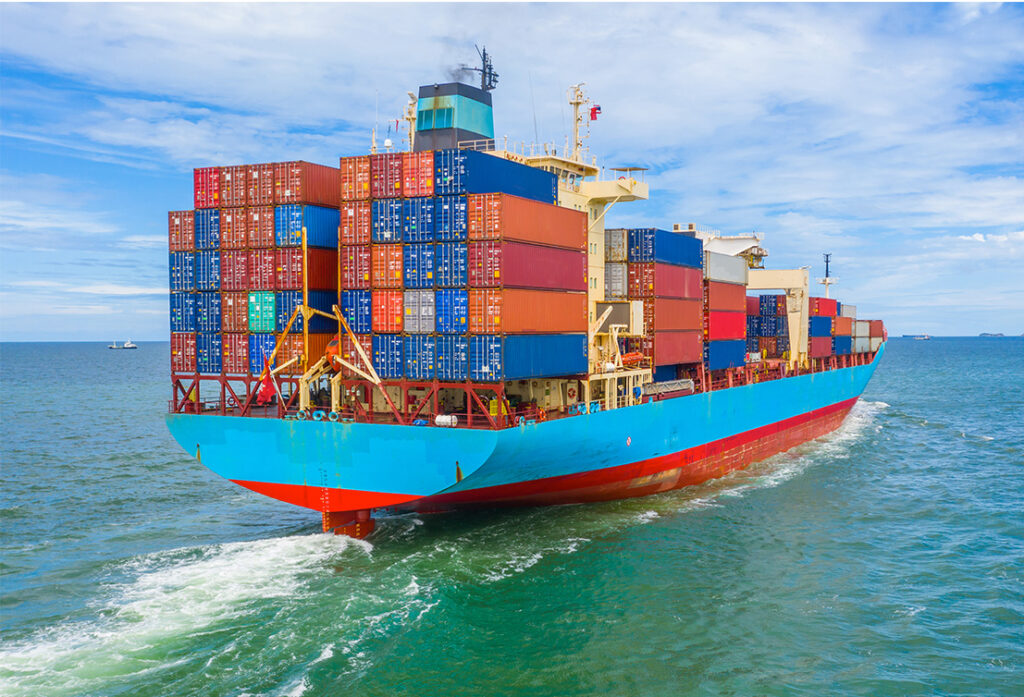
Oversized cargo introduces additional risks, and without proper planning, delays or penalties may occur. Therefore, importers should prepare early.
Common Challenges
- Incorrect cargo measurement
- Shortage of OT containers
- Limited crane availability
- Weather affecting loading
- Tight port cut-off deadlines
Solutions
- Request precise measurements from suppliers
- Pre-book equipment 2–3 weeks early
- Use certified lashing teams
- Plan for weather disruptions
- Maintain flexible sailing dates
What Are the Best Practices for Loading and Securing Cargo in Open Top Containers?
Because oversized cargo can shift during transport, proper securing prevents damage and ensures compliance with carrier safety standards.
Loading Tips
- Use steel wire, heavy-duty straps, and wooden blocks
- Distribute weight evenly
- Cover cargo properly with tarpaulin
- Photograph loading for insurance
- Hire professional lashing teams
How Do Sea, Air, and Rail Shipping Compare for Cargo Going to Portugal?
Open Top cargo usually cannot ship by air due to size restrictions, and rail freight is limited. However, understanding all modes helps in decision-making.
Shipping Method Comparison
| Method | Cost | Transit Time | Pros | Cons | Best For |
|---|---|---|---|---|---|
| Sea Freight (Open Top FCL) | Low | 29–45 days | Cost-effective, flexible | Slow transit | Oversized cargo |
| Air Freight | Very High | 3–7 days | Fast | Not suitable for large cargo | Urgent small machinery |
| Rail Freight | Medium | 18–25 days | Faster than sea | Limited routes | Medium equipment |
How Does Customs Clearance Work for Open Top Shipments in Portugal?
Portugal follows EU customs procedures, meaning accuracy in documentation is crucial. Moreover, oversized cargo may receive extra inspection.
Customs Tips
- Ensure HS codes and descriptions match cargo
- Provide photos and measurement details
- Pre-clear documents where possible
- Work with experienced EU customs brokers
Conclusion
The process of Open Top FCL shipping from China to Portugal requires accurate planning, detailed measurements, reliable booking, and proper cargo securing. By preparing documents early, comparing shipping routes, working with certified lashing teams, and maintaining flexible schedules, importers can significantly reduce risks and ensure smooth delivery. For specialized oversized cargo, partnering with experienced freight forwarders can streamline operations and provide more predictable transit outcomes.
FAQ
1. How early should I book an Open Top FCL for oversized cargo?
Booking at least two to three weeks early helps secure equipment, crane appointments, and vessel space, especially during peak seasons or factory production peaks.
2. What types of cargo are best suited for Open Top containers?
Open Top is ideal for tall machinery, long steel items, industrial equipment, construction materials, and cargo that cannot be loaded through standard container doors.
3. Do Open Top shipments require special lashing or securing?
Yes, oversized cargo requires heavy-duty straps, steel wire, wooden blocks, and certified lashing teams to ensure stability and minimize damage during transport.
4. Can Open Top containers handle heavy machinery?
Yes, Open Top containers are designed for heavy and tall machinery, but precise cargo weight and measurements must be provided to avoid overloading.
5. What causes delays in Open Top shipping to Portugal?
Delays usually result from container shortages, incorrect dimensions, crane scheduling conflicts, or weather-related loading disruptions at Chinese ports.