

- By ayla tj
- November 25, 2025
- Logistics Guide
Managing 20GP FCL space availability for medical equipment from China to Illinois has become increasingly challenging due to tight global capacity, fluctuating demand, and strict compliance requirements. Because medical equipment shipments must remain secure, timely, and fully documented, importers need a clear strategy to secure container space and avoid costly delays.
What Does 20GP FCL Space Availability Mean for Medical Equipment Shipments?
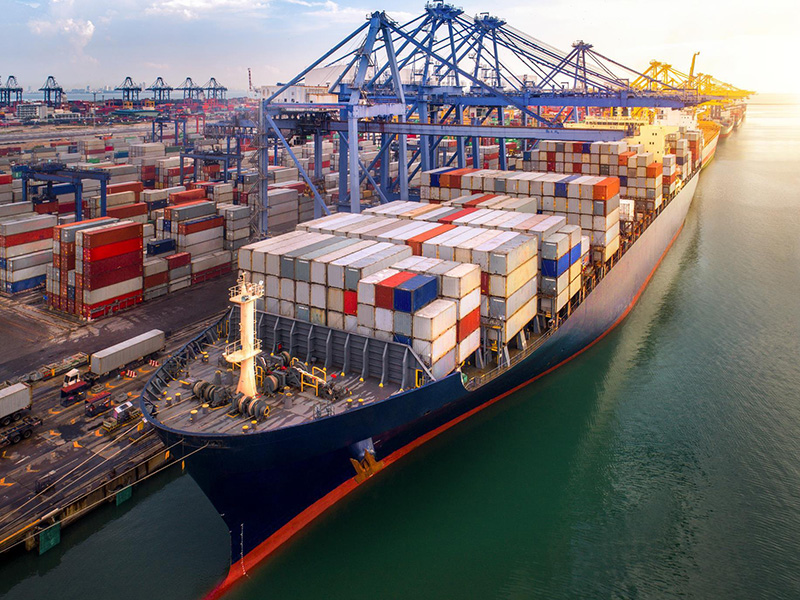
20GP FCL space availability refers to whether shipping carriers have enough empty 20-foot containers and vessel slots to accommodate your medical equipment cargo. Moreover, medical devices often require stable loading and controlled stacking, making 20GP containers ideal for compact, high-value equipment.
Why Medical Equipment Often Ships in 20GP FCL
- Better stability for sensitive machinery
- Reduced risk of cargo shifting during transit
- Fits smaller equipment and compact pallet loads
- Lower overall freight cost when compared to 40GP
Why Is Space Availability Tight for China-to-Illinois Shipping?
Space shortages occur due to peak seasons, equipment imbalance, and routing constraints through U.S. West Coast or Gulf ports. Additionally, higher demand for medical products during health emergencies can create shortages.
Main Causes of Space Constraints
- Port congestion at Shanghai, Ningbo, Shenzhen
- Limited U.S. inland rail capacity
- High global demand for medical shipments
- Carrier vessel rotations cutting frequency
How Do Carriers Allocate 20GP FCL Space for Medical Equipment?
Carriers prioritize bookings based on volume commitments, earlier reservations, and equipment availability at each port. Therefore, importers who book earlier or maintain consistent volumes typically receive priority.
Allocation Criteria
- Booking time (earlier bookings favored)
- Container inventory balance at origin
- Cargo type (medical equipment often prioritized)
- Contract vs spot pricing
- Routing through Los Angeles, Long Beach, or Houston
What are you waiting for?
Contact chinatopfreight for a fast, free quote.
Are you ready to book?
Access live instant freight quotes
How Much Does It Cost to Secure 20GP FCL Space from China to Illinois?
Prices vary widely depending on seasonality, ocean freight rates, inland U.S. rail drayage, and port selection. Moreover, medical equipment may require additional documentation or inspection fees.
Cost Factors
- Base ocean freight
- BAF, GRI, PSS surcharges
- Inland rail from Los Angeles or Houston to Illinois
- Container imbalance fees
- Destination handling charges
20GP FCL Cost Breakdown (Estimated)
| Cost Component | Estimated Range (USD) |
|---|---|
| Ocean Freight | 800–1,600 |
| Origin Charges | 200–350 |
| Destination Charges | 380–520 |
| U.S. Rail Drayage | 450–700 |
| Customs Clearance | 80–150 |
| Local Delivery Illinois | 180–350 |
How Long Does It Take for 20GP FCL Medical Equipment to Reach Illinois?
Transit time depends on the port of discharge—usually Los Angeles, Long Beach, Seattle, or Houston—followed by inland rail to Illinois.
Transit Time Estimates
- Shanghai → Los Angeles → Illinois: 28–34 days
- Ningbo → Long Beach → Illinois: 29–36 days
- Shenzhen → Houston → Illinois: 32–40 days
- Qingdao → Seattle → Illinois: 30–38 days
Transit Time Comparison by Route
| Origin Port | U.S. Entry Port | Final Destination | Transit Time |
|---|---|---|---|
| Shanghai | LA | Illinois | 28–34 days |
| Ningbo | LB | Illinois | 29–36 days |
| Shenzhen | Houston | Illinois | 32–40 days |
| Qingdao | Seattle | Illinois | 30–38 days |
What Documents Are Required to Secure Space and Ship Medical Equipment?
Medical equipment requires precise documentation because many items fall under regulated HS codes or involve electronics, batteries, or sterilized components.
Essential Documents
- Commercial Invoice
- Packing List
- Bill of Lading
- Certificate of Origin
- FDA-related documents (when applicable)
- HS code declaration
- Product specification sheet
- CE or ISO certification (for compliance)
Customs Documentation Checklist
| Document | Purpose | Required For |
|---|---|---|
| Invoice | Declares cargo value | All shipments |
| Packing List | Confirms weight & layout | All shipments |
| B/L | Proof of transport | All FCL |
| COO | Tariff benefits | Optional |
| FDA Docs | U.S. compliance | Regulated medical devices |
| CE/ISO | Safety standards | Sensitive equipment |
What Affects Your Ability to Secure 20GP FCL Container Space?
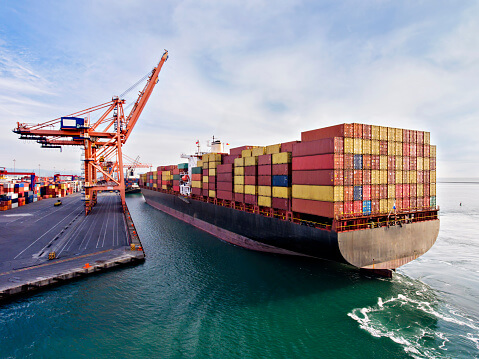
Space availability is influenced by port operations, demand levels, carrier service patterns, and inland transportation networks. Additionally, medical shipments often require higher reliability, making delays more costly.
Key Variables
Weekly vessel frequency
Cut-off times at ports
Container equipment stock
Inland rail capacity from West Coast
Seasonal shipping trends
How Can You Improve Your Chances of Securing Space for Medical Equipment?
Importers can significantly increase space availability by planning earlier and choosing flexible routing options. Furthermore, consistent volumes or long-term carrier relationships greatly enhance priority access.
Proven Strategies
- Book 2–3 weeks early
- Request multiple routing options
- Use premium service tiers when needed
- Maintain accurate cargo dimensions
- Partner with reliable freight forwarders
Should You Consider Alternative Ports or Services to Increase Space Availability?
Yes—routing through alternative ports can bypass congestion and increase access to available equipment. Because Illinois is inland, multiple route combinations may apply.
Alternative Routes
- China → Houston → Illinois
- China → Seattle → Illinois
- China → Oakland → Illinois
These routes may offer more reliable space during peak congestion.
How Do Sea, Air, and Rail Compare for Medical Equipment Shipments?
Although 20GP FCL is the most cost-efficient method, certain medical devices may require faster transport or stricter temperature control, making air freight a backup option.
Shipping Method Comparison
| Method | Cost Level | Transit Time | Pros | Cons | Best For |
|---|---|---|---|---|---|
| Sea Freight (20GP FCL) | Low | 28–40 days | Economical, stable | Longer transit | Bulk medical equipment |
| Air Freight | Very High | 3–7 days | Fast, secure | Expensive | Urgent medical devices |
| Rail Freight | Medium | 18–25 days | Faster than sea | Limited routes | Mid-volume equipment |
Conclusion
The 20GP FCL space availability for medical equipment from China to Illinois depends on vessel capacity, port congestion, accurate documentation, and early booking. By preparing proactively, selecting alternative routes, understanding transit times, and maintaining strong communication with carriers and freight forwarders, importers can secure reliable container space even during peak congestion. For a smoother shipping experience, consider obtaining a customized logistics plan tailored to your medical equipment needs.
FAQ
1. How early should I book 20GP FCL space for medical equipment?
Booking at least two to three weeks in advance ensures better space availability and helps avoid delays caused by peak seasons or carrier capacity shortages.
2. What ports are commonly used when shipping medical equipment to Illinois?
Most shipments enter through Los Angeles, Long Beach, Seattle, or Houston before moving inland by rail to Illinois for final delivery.
3. Are medical shipments given priority by carriers?
Certain medical equipment categories receive priority, especially regulated or high-value products, but early booking and accurate documentation remain essential.
4. What documents are required for FDA-regulated medical equipment?
Documents may include product descriptions, HS code declarations, FDA entry numbers, and compliance certificates depending on the device classification.
5. Can air freight replace sea freight when space is limited?
Yes, urgent shipments can move by air, offering faster delivery, although costs are significantly higher compared to 20GP FCL sea freight.