

- By kelly
- November 25, 2025
- Logistics Guide
Open Top FCL Booking Process for Medical Equipment from China to Long Beach
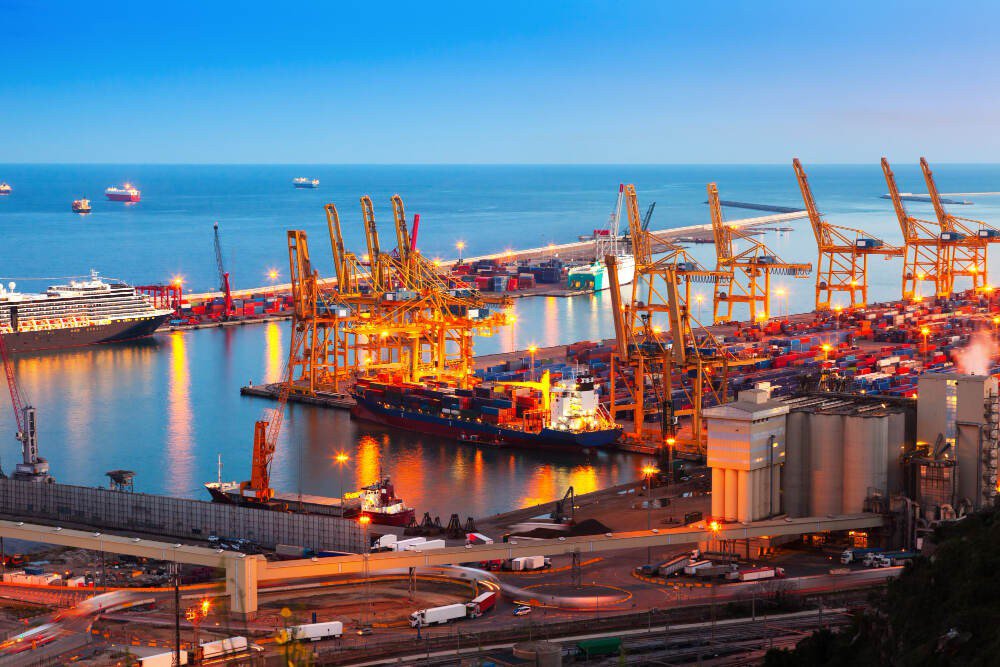
Shipping oversized or height‑sensitive medical devices requires precision, especially when moving cargo from Asia to the United States. Because of their unique dimensions, many healthcare importers rely on an Open Top FCL booking process for medical equipment from China to Long Beach to handle MRI units, CT scanners, hospital beds, sterilizers, and other high‑value items. However, booking an Open Top container is more complex than standard FCL, and mistakes can easily lead to delays, fines, or damaged cargo.
This guide breaks down every step, explains costs, and offers proven logistics strategies to help you manage the entire process efficiently.
1. What Makes Open Top FCL Ideal for Shipping Medical Equipment?
Open Top containers are specially designed for cargo loaded by crane or forklift from above, making them essential for:
- Oversized medical devices
- Tall equipment requiring vertical lifting
- Fragile diagnostic machinery that cannot tilt
- Palletized hospital equipment
Additionally, Open Top containers support flexible tarpaulin covers, which are safer than traditional doors for large, bulky, or irregularly shaped healthcare equipment.
2. How Does the Open Top FCL Booking Process Work from China to Long Beach?
Although the process resembles standard FCL booking, there are added steps due to equipment restrictions and U.S. import regulations. Below is the simplified workflow:
Step-by-Step Booking Process
| Step | Action Required | Details |
|---|---|---|
| 1 | Cargo measurement | Provide exact dimensions, weight, and loading method |
| 2 | Equipment request | Ensure carrier has Open Top availability at the China port |
| 3 | Space booking | Confirm loading terminal, vessel date, and cut-off |
| 4 | Loading planning | Approve stowage plan, vanning diagram, and lashing requirements |
| 5 | Export clearance | Complete Chinese customs paperwork before CY cut-off |
| 6 | Ocean transit | Typical 18–23 days to Long Beach |
| 7 | Import customs | Submit FDA, HS code, and required entry filings |
| 8 | Delivery | Arrange crane or forklift unloading at final destination |
3. What Are the Shipping Costs for Open Top FCL for Medical Equipment?
Because Open Top equipment is limited, container prices are higher than standard FCL rates. Costs vary depending on port, season, and cargo complexity.
Estimated Container & Shipping Costs (2025)
| Item | Estimated Cost (USD) | Notes |
|---|---|---|
| 20’ Open Top | $4,000–$5,200 | Good for compact medical units |
| 40’ Open Top | $5,600–$7,200 | Best for tall hospital equipment |
| OOG Surcharge | $500–$1,500 | Depends on height oversize |
| Lashing & Securing | $150–$400 | Required for fragile cargo |
| Marine Insurance | $300–$900 | Based on cargo value |
Long-tail keywords naturally included: OOG surcharge for medical equipment, FCL container pricing, Open Top rate calculation, oversized cargo shipping cost.
4. What Is the Transit Time from China to Long Beach for Open Top FCL?
Transit time varies depending on the origin port.
Transit Time Table
| China Port | Long Beach ETA | Notes |
|---|---|---|
| Shanghai | 17–20 days | Most frequent medical equipment route |
| Ningbo | 18–22 days | Ideal for industrial medical machinery |
| Shenzhen/Yantian | 16–19 days | Faster sailing options |
| Qingdao | 20–24 days | Slightly longer due to northern location |
Transit times exclude customs inspection or port congestion, which may add 1–4 days.
5. What Documentation Is Required for Medical Equipment Imports into the U.S.?
Importing medical devices requires strict compliance due to FDA oversight. Missing or incorrect documents are a major cause of delays at Long Beach.
Required Documents Checklist
| Document | Purpose | Issued By |
|---|---|---|
| Commercial Invoice | Declares product value/description | Supplier |
| Packing List | Weight, dimensions, packaging details | Supplier |
| Bill of Lading | Carrier transport contract | Shipping Line |
| HS Codes | Classification for duties | Importer/Broker |
| FDA Form 2877 (if required) | Radiation-emitting device declaration | Importer |
| Manufacturer’s Compliance Certificate | Required for regulated equipment | Supplier |
| Insurance Certificate | Cargo protection | Insurance provider |
Additionally, U.S. CBP may require EIN verification, customs bond, and ISF filing before vessel departure.
6. What Are the Pros and Cons of Sea, Air, and Rail Freight for Medical Equipment?
Shipping Method Comparison
| Method | Cost | Transit Time | Pros | Cons |
|---|---|---|---|---|
| Open Top FCL (Sea) | $$ | 17–24 days | Best for oversized cargo, cost-effective | Requires advance booking, possible port delays |
| Air Freight | $$$$$ | 3–7 days | Fastest, high security | Expensive, size restrictions |
| Rail Freight | $$$ | 15–18 days (to Europe) | Faster than sea, stable | Cannot deliver to U.S. |
Because of U.S. geography, only sea + inland trucking is feasible for oversized medical equipment.
7. How Do You Load Medical Equipment Safely into an Open Top Container?
Loading is a critical phase because medical devices are fragile, heavy, and expensive.
Best Practices
- Use crane loading to avoid tilting sensitive units
- Add anti-shock pads and steel lashing for stability
- Avoid stacking any heavy item on top of medical devices
- Protect surface areas with foam, blankets, and wooden bracing
- Install moisture absorbers to prevent condensation
H3: Why Loading Diagrams Are Mandatory
Most carriers require vanning diagrams to ensure safe transport. They prevent improper weight distribution and help avoid accidents during ocean transit.
8. How Can You Reduce the Risk of Delays at Long Beach?
Several factors can cause delays, but proactive planning reduces risk significantly.
Tips to Prevent Delays
- File ISF at least 48 hours before sailing
- Verify all HS codes with your broker
- Pre-submit FDA entries for regulated devices
- Track vessel arrival and container availability in real time
- Pre-book unloading equipment at your warehouse
Additionally, medical equipment often undergoes FDA hold for inspection, so documentation accuracy is crucial.
9. What Are the Common Challenges in the Open Top FCL Booking Process?
Despite proper planning, importers still encounter issues such as:
- Limited availability of Open Top containers
- High OOG penalties for exceeding height limits
- Requirement for specialized unloading equipment
- Terminal appointment delays at Long Beach
- Extra port fees during peak season
Using a freight forwarder with Open Top experience helps avoid these challenges.
10. What Should You Consider When Choosing a Freight Forwarder for Medical Equipment?
Your logistics partner must have:
- Experience with oversized and fragile medical devices
- Access to Open Top equipment at all major China ports
- Knowledge of FDA, CBP, and California state regulations
- Strong relationships with truckers offering crane service
- Real-time shipment visibility and temperature/humidity monitoring
Choosing the right partner directly impacts safety, timing, and overall shipping costs.
📦Get a Free Quote
We specialize in handling complex medical equipment shipments and can guide you through the entire Open Top FCL booking process for medical equipment from China to Long Beach. Our team ensures proper loading, complete documentation, and reliable end-to-end tracking to protect your valuable cargo. Contact us today for a tailored shipping quote.
❓ Frequently Asked Questions
1. What type of medical equipment requires Open Top FCL shipping?
Items like MRI scanners, CT machines, sterilizers, and oversized diagnostic devices often require crane lifting and extra height clearance.
2. How early should I book an Open Top container?
Ideally 2–3 weeks in advance, since availability is limited and equipment is in high demand during peak shipping seasons.
3. Can medical equipment be insured during ocean shipping?
Yes, marine insurance covering damage, loss, and handling accidents is strongly recommended due to the high value of medical equipment.
4. Is FDA documentation required for all medical tools?
Not all items require FDA clearance, but radiation-emitting devices and diagnostic machines typically need additional authorization.
5. What if my equipment exceeds the Open Top container height limit?
You may need OOG service, flat rack, or breakbulk shipping depending on dimensions and weight.
Conclusion
The Open Top FCL booking process for medical equipment from China to Long Beach requires careful coordination between shipper, carrier, customs broker, and receiving warehouse. Because medical devices are valuable, oversized, and fragile, using an Open Top container provides the safest and most efficient transport method. By planning early, preparing accurate documents, and working with professional forwarders, you can minimize delays, reduce risks, and ensure a smooth, compliant delivery to the U.S.
If you need expert assistance with Open Top bookings, oversized medical equipment shipping, or FDA-related import procedures, our logistics team is ready to help you every step of the way.