

- By kelly
- November 25, 2025
- Logistics Guide
40HQ FCL Tracking for Textiles from China to Poland: Full Guide
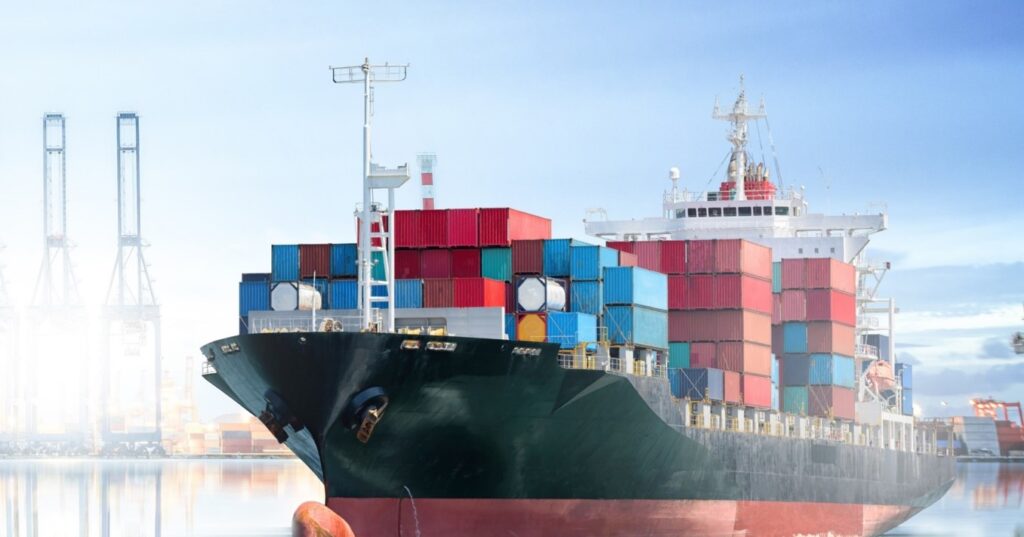
Managing textile shipments from Asia to Europe requires speed, security, and transparency. For high-volume loads, 40HQ FCL tracking for textiles from China to Poland is crucial to ensure your cargo arrives on time, in the right condition, and without unexpected costs. Today’s textile importers demand real-time container tracking and shipment visibility to monitor production timelines, warehouse coordination, and supply chain health.
This guide explains how to track 40HQ FCL shipments, compare transport modes, estimate costs, and reduce risks throughout your textile logistics journey.
1. What Is 40HQ FCL and Why Use It for Textile Shipments?
40HQ stands for “40-foot High Cube” Full Container Load. It is ideal for shipping:
- Large rolls of fabric
- Palletized apparel
- Cotton bales or polyester yarn
- Textile machinery or bulk materials
A 40HQ container holds approximately 76 CBM, offering 10% more volume than a standard 40FT container, making it perfect for lightweight yet voluminous textile products.
2. Why Is Tracking FCL Shipments Important for Textiles?
Textiles are highly time-sensitive—especially when tied to seasonal sales, fashion cycles, or promotional launches. Without proper tracking, delays can result in:
- Missed retail deadlines
- Overstock issues at distribution centers
- Customs clearance backlogs
- Customer dissatisfaction
Therefore, tracking offers visibility across the entire logistics chain, from factory gate to warehouse dock in Poland.
3. How Do You Track a 40HQ FCL Container in Real Time?
Carriers and freight forwarders offer multiple tracking options:
Tracking Methods
| Method | Description | Access |
|---|---|---|
| Bill of Lading Number | Entered on carrier’s website to see status | Carrier Portal |
| Container Number | Monitors container movements at port and during transit | Terminal Systems |
| Shipment Tracking Platforms | Shows multi-stage journey and estimated ETA | Logistics Software |
| GPS-enabled IoT Devices | Installed in container for real-time location | Advanced, extra cost |
| Email/SMS Alerts | Periodic updates via forwarder or broker | Standard with most services |
Long-tail keywords naturally used: real-time FCL tracking, container monitoring for textiles, how to track 40HQ shipments.
4. What’s the Typical Transit Time for Textile Shipments to Poland?
Transit time varies depending on origin port, shipping line, and route type.
Estimated Transit Time Table
| China Port | Destination in Poland | Transit Time (Sea + Rail/Truck) | Notes |
|---|---|---|---|
| Shanghai | Warsaw | 32–38 days | Sea to Gdańsk + inland haulage |
| Ningbo | Kraków | 34–40 days | Sea + Rail via Duisburg |
| Shenzhen | Poznań | 35–42 days | Via Hamburg, common for textiles |
| Qingdao | Wrocław | 33–39 days | Popular route for fabric rolls |
5. What Are the Shipping Costs for 40HQ FCL Textiles to Poland?
Shipping prices depend on route, season, and freight demand.
Estimated 40HQ FCL Shipping Costs (USD)
| Route | Base Freight | Surcharges (THC, CAF, BAF) | Total Est. Cost |
|---|---|---|---|
| Shanghai – Gdańsk | $4,600 | $500–$700 | $5,100–$5,300 |
| Ningbo – Hamburg – Poland | $4,800 | $600–$800 | $5,400–$5,600 |
| Shenzhen – Gdańsk | $5,000 | $700–$900 | $5,700–$5,900 |
6. What Documents Are Required for Tracking and Customs in Poland?
Tracking a container also means knowing its clearance status. You’ll need:
Essential Documentation
| Document | Purpose | Issued By |
|---|---|---|
| Commercial Invoice | Declares cargo value and transaction | Supplier |
| Packing List | Specifies goods, weight, dimensions | Supplier |
| Bill of Lading | Used for tracking and container release | Carrier |
| Certificate of Origin | Proves source of manufacture | Exporter |
| HS Code | For customs duty classification | Broker |
| Entry Summary Declaration | Mandatory for Poland (EU) | Importer/Broker |
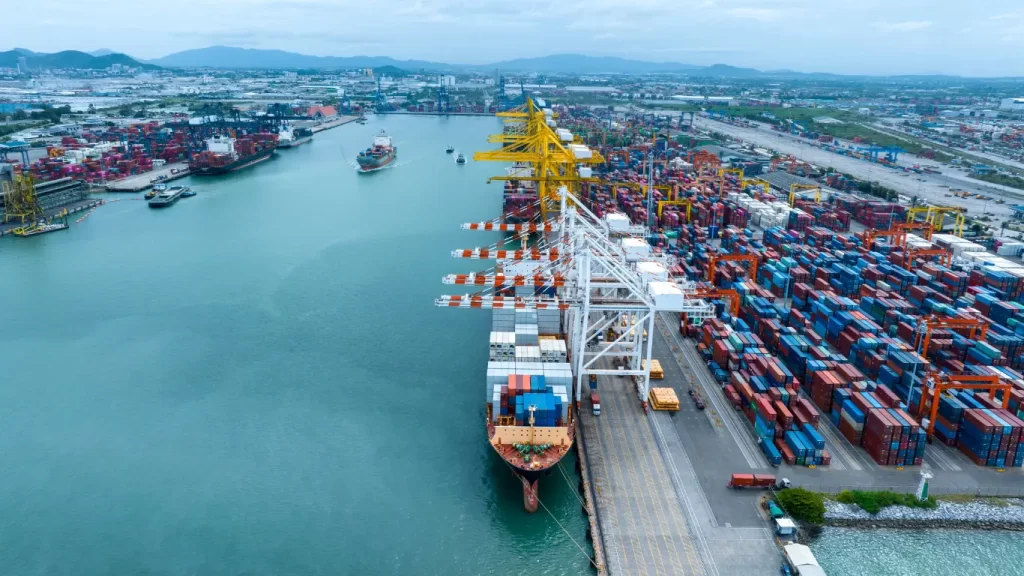
7. How Can You Track Delays or Port Congestion Along the Route?
Real-time tracking systems now include port activity alerts and estimated discharge timelines. You can:
- Monitor terminal updates in Gdańsk, Hamburg, or Rotterdam
- Track customs hold status via import broker platforms
- Use predictive ETAs calculated by AI-backed tracking software
- Subscribe to port congestion reports via carrier newsletters
Moreover, some platforms display vessel speed, weather impact, and current location.
8. What Are the Risks in Textile Shipping and How Can Tracking Help?
Tracking helps you stay ahead of:
- Cargo theft or misrouting
- Demurrage or detention charges
- Missed cut-off dates for delivery
- Port congestion or rollovers
With accurate 40HQ FCL tracking, logistics managers can proactively reschedule deliveries, request alternate ports, or adjust downstream supply planning.
9. How Does Tracking Differ Between Sea Freight and Rail Freight to Poland?
Shipping Method Comparison Table
| Mode | Tracking Visibility | Cost | Speed | Best For |
|---|---|---|---|---|
| Sea Freight | Moderate (milestone-based) | $$ | 30–40 days | Full container loads |
| Rail Freight | Better (station scans, stable routes) | $$$ | 20–25 days | Urgent textile replenishment |
| Air Freight | Excellent (door-to-door scan events) | $$$$$ | 3–7 days | Time-sensitive fabrics |
For most textile exporters to Poland, sea + inland trucking is the preferred combination due to cost efficiency and sufficient tracking visibility.
10. How Can Forwarders Improve 40HQ FCL Tracking for Textile Clients?
Professional forwarders now offer:
- Multi-modal dashboards that show port-to-door status
- Daily tracking updates with delay notifications
- Integrated document sharing portals
- Proof-of-delivery (POD) uploads
- Custom KPI dashboards to manage on-time performance
These tools help textile companies maintain tight schedules for retail launches, production inputs, and wholesale commitments.
📦Get a Free Quote
To improve the accuracy, reliability, and speed of your 40HQ FCL tracking for textiles from China to Poland, partner with a freight forwarder that offers real-time tracking, transparent communication, and complete document support. Our logistics experts can guide your shipment every step of the way—book a consultation today to simplify your textile supply chain.
❓ Frequently Asked Questions
1. How do I track my 40HQ container from China to Poland?
Use your bill of lading or container number on the carrier or forwarder’s tracking portal.
2. What is the best port in Poland for FCL textile shipments?
Gdańsk is the most efficient, with good rail and truck connections inland.
3. Can I use GPS tracking for my textile shipment?
Yes, some forwarders offer GPS-enabled container tracking for critical or high-value goods.
4. How many CBM of textiles fit in a 40HQ container?
Typically 70–76 CBM, depending on fabric type, packaging, and stacking method.
5. Do I need a customs broker in Poland?
Yes, working with a local customs broker is essential for smooth clearance.
Conclusion
In today’s global fashion and textile markets, shipment visibility is no longer optional—it’s essential. With 40HQ FCL tracking for textiles from China to Poland, importers gain the visibility and control they need to optimize inventory flow, reduce uncertainty, and maintain market competitiveness.
By combining the right tracking tools, efficient documentation, and proactive logistics management, you can ensure that your textile containers reach Poland’s warehouses on time and in full—every time. Let tracking power your textile supply chain strategy.