

- By kelly
- November 26, 2025
- Logistics Guide
China FCL Factory Pickup to Europe: Optimize Your Supply Chain

Managing logistics from a Chinese factory to a European destination involves more than just booking space on a vessel. The China FCL factory pickup to Europe process requires careful planning, coordination, and compliance across borders. Without it, delays, miscommunication, or unexpected fees can severely impact your delivery timeline and bottom line. This guide will help you streamline your door-to-door process from China’s production hubs to final destinations across Europe.
1. What Does China FCL Factory Pickup to Europe Involve?
FCL (Full Container Load) shipping with factory pickup means that your container is loaded directly at the supplier’s premises and shipped to your European address—whether that’s a warehouse, fulfillment center, or retail hub.
Key Components of the Service:
- Pickup truck or trailer at the factory
- Inland transport to port of loading (e.g., Shenzhen, Ningbo)
- Export customs clearance in China
- Sea, rail, or multimodal transit to Europe
- Import customs clearance
- Final-mile delivery in Europe
This end-to-end model ensures fewer cargo touches, reduced handling risk, and more reliable scheduling.
2. How Is FCL Pickup Arranged from Chinese Factories?
To arrange a factory pickup, your logistics provider coordinates with the manufacturer to:
- Reserve a suitable container (usually 20GP, 40GP, or 40HQ)
- Confirm loading date
- Provide container loading instructions (e.g., weight distribution, labeling)
- Dispatch a truck or trailer to the factory
Required Information for Booking:
- Factory address and contact person
- Pickup time slot
- Commodity type
- Incoterm used (typically EXW or FCA)
- Container size and type
When these details are clear, the pickup process can proceed smoothly.
3. Which FCL Container Sizes Are Best for European Imports?
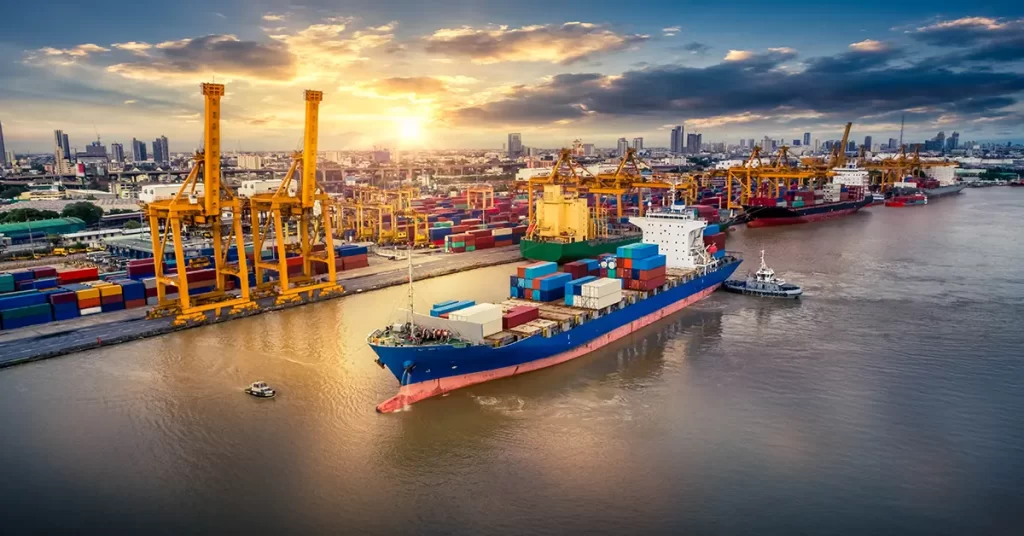
Choosing the right container is essential for cost-efficiency and space optimization.
Container Options for China–Europe FCL Shipping
| Container Type | Capacity (CBM) | Ideal For | Max Payload (kg) |
|---|---|---|---|
| 20GP | ~28 | Heavy goods, dense materials | ~28,000 |
| 40GP | ~58 | Mid-volume general cargo | ~26,000 |
| 40HQ | ~68 | Bulky but light items | ~26,000 |
Most exporters to Europe use 40HQ for consumer goods, electronics, or furniture due to its higher capacity per shipment.
4. What Are the Most Popular Shipping Routes from China to Europe?
Depending on speed, cost, and cargo nature, different transport routes can be selected.
Transit Routes Comparison: China to Europe
| Route | Mode | Avg. Transit Time | Cost Level | Best For |
|---|---|---|---|---|
| Sea Freight | Ocean | 28–40 days | $$ | Non-urgent, cost-sensitive cargo |
| Rail Freight | Rail | 18–25 days | $$$ | Central Europe, mid-urgency |
| Multimodal | Rail+Truck | 20–28 days | $$$ | Landlocked countries |
| Air Freight | Air | 3–7 days | $$$$$ | Urgent or lightweight goods |
Therefore, ocean freight is typically used for FCL factory pickup to Europe, unless time is critical.
5. How Are Shipping Costs Calculated for FCL from China to Europe?
Several cost elements make up the full freight rate, especially when starting at the factory.
Estimated FCL Factory Pickup Costs
| Cost Component | 40HQ Estimate (USD) |
|---|---|
| Factory to Port Trucking | $150–$400 |
| China Port Charges | $300–$500 |
| Sea Freight (to Europe) | $3,000–$5,000 |
| Customs Clearance | $150–$300 |
| Inland EU Delivery | $400–$800 |
| Total Estimate | $4,000–$7,000 |
Pricing varies depending on the origin city, European destination, seasonality, and container type.
6. What Documents Are Needed for FCL Shipping from China to Europe?
To ensure smooth delivery, documents must be prepared accurately and submitted on time.
Customs Documents Checklist
| Document | Description |
|---|---|
| Commercial Invoice | Includes HS code, value, Incoterm, and origin |
| Packing List | Lists package quantity, dimensions, and weight |
| Bill of Lading | Shipping contract document issued by the carrier |
| Certificate of Origin | Required for duty reduction under some trade deals |
| Export Declaration (China) | Filed with China customs before export |
| Import Declaration (EU) | Submitted to EU customs for clearance |
| EORI Number | Mandatory for EU importers |
Accurate documentation speeds up customs procedures and reduces the risk of delay or penalty.
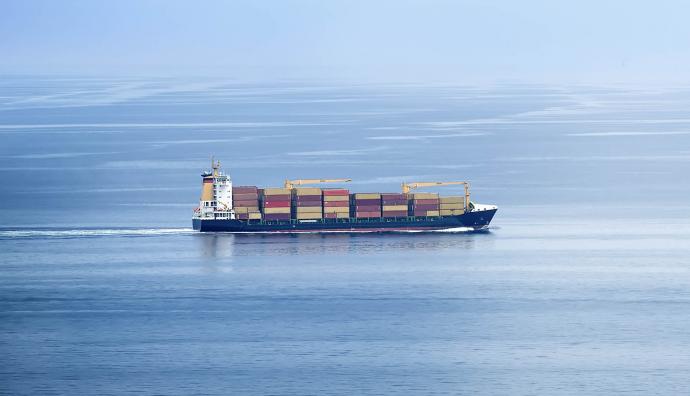
7. Should You Use Rail Freight Instead of Ocean for FCL Shipments?
Rail freight is a strong alternative for time-sensitive cargo bound for Central and Eastern Europe.
Sea vs Rail vs Air Freight Comparison
| Criteria | Sea Freight | Rail Freight | Air Freight |
|---|---|---|---|
| Transit Time | 28–40 days | 18–25 days | 3–7 days |
| Cost | Low | Moderate | High |
| Cargo Volume | High (FCL) | Moderate (FCL) | Low |
| Environmental | Low Emissions | Lower than Air | High Emissions |
| Ideal For | Bulky, low-margin | Mid-margin goods | High-value, urgent |
Therefore, if delivery speed is a priority and budget permits, rail is an efficient choice for factory-to-door delivery.
8. How Do You Track FCL Shipments from Factory to Europe?
Tracking is crucial for visibility across long-distance supply chains. Most logistics providers offer:
- Container tracking via carrier websites
- Rail tracking portals (e.g., China-Europe block trains)
- Integrated TMS (transport management systems)
- GPS updates for inland legs (truck to port or final delivery)
This visibility allows you to adjust warehouse staffing, plan unloading, and keep your customers informed.
9. What Are the Most Common Challenges in FCL Factory Pickup?
Despite its efficiency, the FCL model can face the following issues:
- Truck access restrictions at some factory locations
- Miscommunication with suppliers over readiness
- Congestion at Chinese ports
- Customs delays in Europe
- Misaligned delivery schedules
To overcome these, choose a logistics provider with a proven track record in China-to-Europe FCL coordination.
10. Can You Combine Factory Pickup with Value-Added Services?
Yes, many shippers enhance their FCL logistics with:
- Cargo inspection before loading
- Labeling and palletization
- Loading supervision
- Consolidation from multiple factories
- Temporary bonded storage in Europe
These add-ons ensure that your products arrive safely and are ready for market distribution upon delivery.
📦Get a Free Quote
If you’re looking to streamline your shipments, reduce coordination stress, and maximize cost efficiency, our China-to-Europe FCL solutions offer seamless end-to-end support—from factory pickup to final delivery. Contact ChinaTopFreight today to receive a tailored quote and optimize your supply chain.
❓ Frequently Asked Questions
1. What is the best Incoterm for factory pickup FCL from China?
EXW or FCA are most suitable, giving the buyer control from factory loading to final delivery in Europe.
2. How long does FCL shipping from China to Europe take?
By sea, typically 30–40 days; by rail, around 18–25 days. It varies depending on port and rail route.
3. Do all factories in China support container loading?
Most do, especially export-focused suppliers. Some remote or small factories may need to truck goods to a CFS.
4. Can I ship from multiple factories in one container?
Yes. Consolidation is possible, but must be coordinated carefully to ensure correct documentation and loading order.
5. Is a customs broker required for European import clearance?
While not legally mandatory, a broker helps avoid errors and ensures quicker clearance at EU customs.
Conclusion
Efficient China FCL factory pickup to Europe is the foundation of a reliable global supply chain. When executed correctly, it allows importers to take full control of their logistics, minimize transit time, and avoid costly errors. By selecting the right container type, managing documents proactively, and leveraging an experienced logistics partner, you can confidently ship your goods from any Chinese factory to any European destination—on time and on budget. Partner with ChinaTopFreight to make it happen.