

- By carlie tj
- November 27, 2025
- Logistics Guide
The 20GP FCL booking process for toys from China to Germany is a vital step in ensuring smooth and cost-effective international logistics. At China Top Freight, we provide comprehensive freight services that simplify container booking, streamline customs clearance, and guarantee timely toy deliveries to major German ports like Hamburg, Bremerhaven, and Frankfurt.
1. What Is 20GP FCL Shipping and Why Is It Ideal for Toys?
A 20GP FCL (Full Container Load) is a 20-foot general-purpose container designed to transport goods securely. For toy exporters, this option ensures exclusive container space, protecting delicate packaging from mix-loading risks often seen in LCL shipments.
Benefits of 20GP FCL for Toy Shipments:
- Full container ownership reduces damage risks.
- Cost-efficient for medium to large toy volumes.
- Faster customs clearance compared to shared containers.
- Ideal for temperature-stable and boxed products.
2. How Does the 20GP FCL Booking Process Work from China to Germany?
The booking process for 20GP FCL shipments follows a structured timeline, ensuring efficient coordination between the shipper, freight forwarder, and carrier.
Step-by-Step Process:
- Submit Cargo Details: Provide product type, quantity, and dimensions.
- Get Quotation: Freight forwarder shares cost and sailing schedule.
- Confirm Booking: Lock in vessel space.
- Prepare Documents: Generate packing list, invoice, and bill of lading.
- Load Container: Transport goods to port and load under supervision.
- Sailing & Tracking: Monitor shipment progress to German port.
- Customs Clearance: Complete EU import procedures.
Each phase plays a crucial role in minimizing delays and ensuring compliance.
3. Which Ports Are Commonly Used for Toy Shipments to Germany?
Selecting the right port is vital for optimizing transit time and inland logistics.
| Chinese Port | German Port | Transit Time (Days) | Remarks |
|---|---|---|---|
| Shenzhen | Hamburg | 30–35 | Direct routes, fast unloading |
| Ningbo | Bremerhaven | 32–37 | Reliable connections |
| Shanghai | Frankfurt (via Rotterdam) | 33–38 | Best for central distribution |
Table 1: Common Sea Routes for 20GP FCL Shipments from China to Germany
By planning early, exporters can secure optimal schedules during peak toy demand seasons.
4. What Documents Are Required for 20GP FCL Booking and Customs?
Proper documentation is essential for hassle-free international toy shipping.
| Document Type | Purpose | Prepared By |
|---|---|---|
| Commercial Invoice | Declares product and value | Exporter |
| Packing List | Details carton quantities and sizes | Exporter |
| Bill of Lading | Confirms shipping contract | Freight Forwarder |
| Certificate of Origin | Verifies Chinese manufacturing | Chamber of Commerce |
| Import License | Allows toy entry into EU market | Importer |
Table 2: Key Documents for FCL Shipping from China to Germany
Incomplete or inaccurate documents often cause customs delays, leading to demurrage costs.
5. How Long Does It Take to Ship Toys from China to Germany?
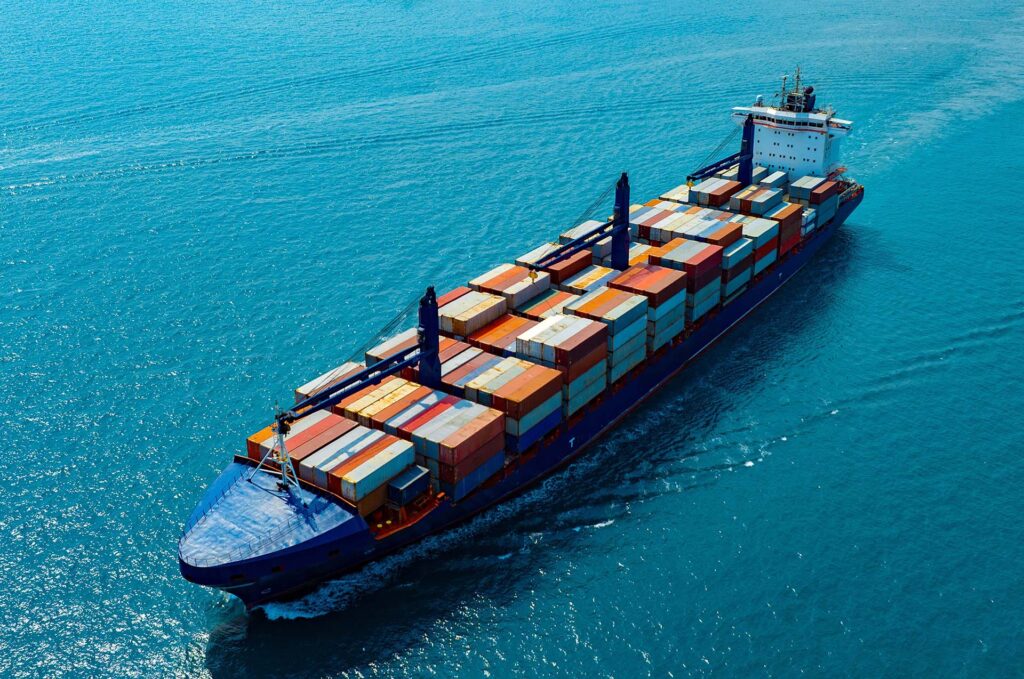
Average transit time for 20GP FCL shipments from China to Germany ranges between 30 to 40 days, depending on the chosen port and carrier.
Estimated Timeline Breakdown:
- Port Handling in China: 2–3 days
- Sea Voyage: 30–35 days
- Customs Clearance in Germany: 3–5 days
- Inland Delivery: 2–4 days
Planning ahead is key—especially during Christmas and toy fair seasons when demand spikes and port congestion increases.
6. What Are the Costs Involved in the 20GP FCL Booking Process?
The cost of FCL shipping depends on several dynamic factors, including distance, fuel, and seasonal demand.
Typical Cost Breakdown:
- Ocean Freight: USD 2,000–2,800
- Port Charges: USD 250–400
- Customs Clearance: USD 100–150
- Trucking (Port to Warehouse): USD 300–600
- Insurance: USD 50–100
Additionally, fuel surcharges (BAF) and peak season surcharges (PSS) can apply.
7. How to Prepare Toys for 20GP FCL Loading?
Proper preparation ensures your toys arrive intact and compliant with EU standards.
Packaging Tips:
- Use sturdy export cartons with internal cushioning.
- Follow CE labeling regulations for EU imports.
- Load goods evenly to maintain container balance.
- Include a detailed packing manifest inside the container.
Well-prepared shipments minimize breakage and speed up customs inspection.
8. What Are the Common Challenges During FCL Booking?
Despite careful planning, exporters often face several challenges:
- Space Shortages: Peak seasons cause limited availability.
- Customs Delays: Missing paperwork or incorrect HS codes.
- Port Congestion: Busiest months (October–December) see slow handling.
- Miscommunication: Inconsistent coordination between suppliers and freight agents.
Working with a reliable forwarder like China Top Freight mitigates these issues through digital tracking and schedule flexibility.
9. Why Should You Choose Sea Freight Over Air or Rail for Toys?
Sea freight remains the most cost-effective and scalable mode for toy logistics.
Table 3: Shipping Method Comparison for Toy Exports
Therefore, sea freight ensures the best cost-performance ratio for mass toy distribution to European retailers.
10.Conclusion
The 20GP FCL booking process for toys from China to Germany provides a structured and efficient approach to managing toy exports. With careful documentation, proper packaging, and timely booking, you can minimize delays and reduce logistics costs. Partnering with China Top Freight ensures reliable routes, professional handling, and full visibility from factory pickup to final delivery.
Request a Quote
China Top Freight offers:
- ✅ Origin and Destination Countries
- ✅ Cargo Type and Volume
- ✅ Preferred Transport Method (Air, Sea, Rail, Road)
- ✅ Delivery Timeline
- ✅ Special Handling Requirements (if any)
FAQ
1. What does 20GP FCL mean in shipping?
It means a 20-foot container reserved for one exporter, ensuring secure, exclusive use without sharing space with other shipments.
2. How long does it take to ship toys to Germany?
The average transit time is 30–40 days, depending on departure port, shipping route, and customs clearance efficiency.
3. Can toys be mixed with other goods in FCL shipping?
Typically, toys are shipped separately to ensure compliance with EU import and product safety regulations.
4. What are the busiest months for toy shipments?
Peak seasons occur from September to December when exporters prepare for Christmas and European retail demand.
5. Are there restrictions on shipping toys to Germany?
Toys must meet EU safety regulations, include CE marking, and comply with packaging material and labeling standards.