

- By ayla tj
- November 27, 2025
- Logistics Guide
Efficient handling of oversized or heavy auto components requires specialized logistics solutions. The Flat Rack FCL booking process for auto parts from China to Netherlands ensures safe, flexible, and cost-effective transportation. At China Top Freight, we streamline every step—from booking to customs clearance—ensuring your automotive cargo reaches the Netherlands on schedule and in perfect condition.
1. What Is Flat Rack FCL Shipping for Auto Parts?
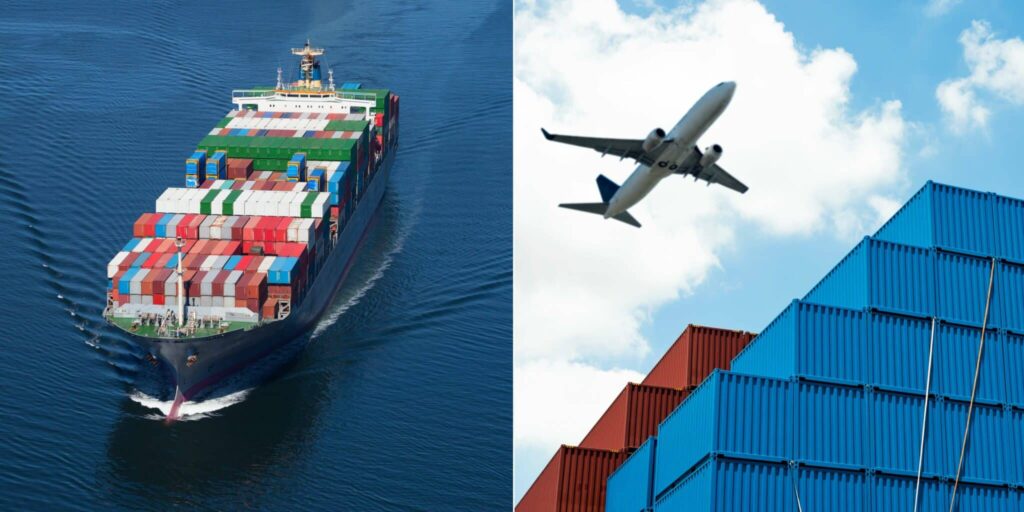
Flat Rack FCL (Full Container Load) shipping is designed for cargo that doesn’t fit inside standard containers due to irregular dimensions or heavy weight. Auto parts such as engines, chassis, and axles are often shipped using this container type.
Main Characteristics:
- No roof or side panels for easier crane loading
- Ideal for large or tall machinery
- Compatible with heavy-duty lashing and covering
This method guarantees structural stability and protection for high-value automotive components.
2. Why Choose Flat Rack FCL Shipping from China to the Netherlands?
The route between China and the Netherlands is among the most important automotive logistics corridors, connecting major Chinese manufacturing hubs like Shanghai, Ningbo, and Shenzhen to Rotterdam or Amsterdam.
Benefits of Flat Rack FCL Shipping:
- Custom loading flexibility: Perfect for heavy or irregular parts.
- Efficient space usage: Suitable for consolidated cargo.
- Secure sea transit: Reinforced lashing and weather protection.
- Multimodal connection: Seamless transfer to European rail or truck networks.
This makes it ideal for large-scale auto exports requiring reliability and efficiency.
3. How Does the Flat Rack FCL Booking Process Work?
Booking a Flat Rack container involves more than reserving space—it’s a detailed procedure to ensure safety and compliance.
Step-by-Step Booking Guide:
- Cargo Assessment: Measure the cargo’s weight and dimensions.
- Quotation: Request freight rate based on cargo type and destination.
- Container Reservation: Book the Flat Rack FCL with your forwarder.
- Documentation Preparation: Create invoice, packing list, and export declaration.
- Cargo Loading: Use cranes or forklifts under supervision.
- Customs Clearance: Handle export and import paperwork.
Transit & Delivery: Ship to Rotterdam, then truck to the final warehouse.
Following these steps ensures a smooth and compliant shipping experience.
What are you waiting for?
Contact chinatopfreight for a fast, free quote.
Are you ready to book?
Access live instant freight quotes
4. What Is the Average Cost of Flat Rack FCL Shipping from China to Netherlands?
The Flat Rack FCL shipping cost depends on several variables such as port pair, cargo size, and season.
| Container Type | Average Cost (USD) | Transit Time (Days) | Best For |
|---|---|---|---|
| 20FT Flat Rack | 2,800–3,800 | 28–33 | Engines, gearboxes |
| 40FT Flat Rack | 4,500–5,800 | 28–36 | Body frames, axles |
| 40HQ Flat Rack | 5,500–6,200 | 30–37 | Crates and subassemblies |
Table 1: Flat Rack FCL Pricing and Transit Overview
Factors such as port congestion, fuel costs, and container demand can cause rate fluctuations. Early booking helps secure favorable prices.
5. Which Routes Are Commonly Used for Auto Parts Shipping?
Most Flat Rack FCL shipments from China to Netherlands use the following sea routes:
| Origin Port (China) | Destination Port (Netherlands) | Transit Time (Days) |
|---|---|---|
| Shanghai | Rotterdam | 30–33 |
| Shenzhen | Rotterdam | 31–35 |
| Ningbo | Amsterdam | 28–32 |
Table 2: Major Trade Routes for Auto Parts Logistics
These routes integrate easily with European trucking and rail systems for inland delivery to automotive facilities in Eindhoven or Tilburg.
6. What Documents Are Required for Flat Rack FCL Booking?
Accurate documentation ensures smooth customs clearance and avoids demurrage or detention costs.
| Document | Purpose | Prepared By |
|---|---|---|
| Commercial Invoice | Declares product value | Shipper |
| Packing List | Specifies cargo details | Exporter |
| Bill of Lading | Confirms shipment | Freight Forwarder |
| Export Declaration | Authorizes export | Customs |
| Import License | Required for EU entry | Consignee |
Incomplete paperwork can delay clearance, leading to extra costs and shipment delays.
7. How to Prepare Auto Parts for Flat Rack Container Loading?
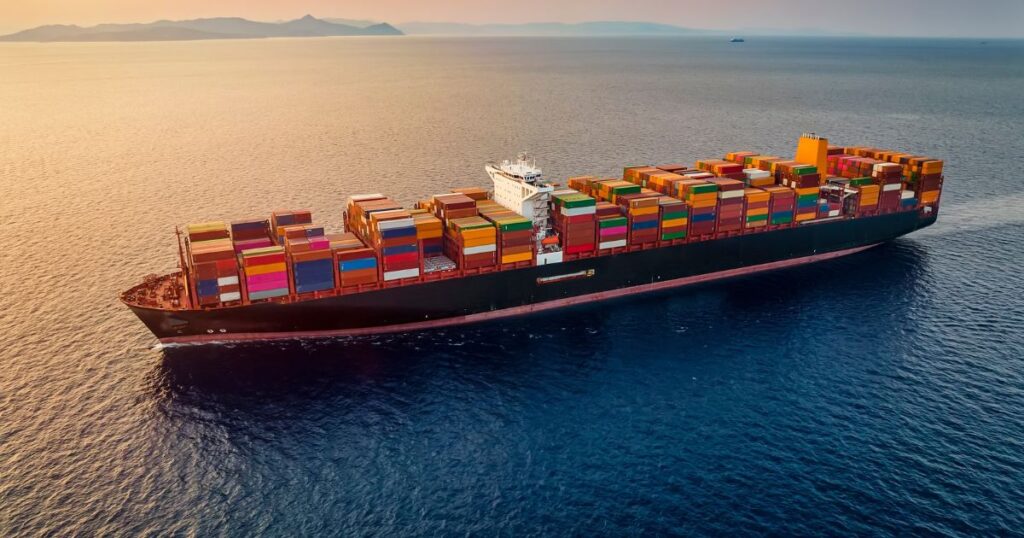
Auto parts are sensitive and often irregularly shaped. Proper packaging ensures they remain safe during handling and sea transport.
Preparation Tips:
- Use wooden pallets and custom crating for large components.
- Apply anti-rust coatings and moisture protection.
- Use steel chains or nylon straps for strong lashing.
- Cover with tarpaulin for weather protection.
Additionally, inspection and certification before loading help comply with European import safety standards.
8. What Are the Common Challenges in Flat Rack FCL Shipping?
Despite its advantages, Flat Rack shipments can face challenges such as:
- Limited container availability: Especially during peak seasons.
- Weather exposure: Requires careful covering.
- Port handling costs: May be higher due to special equipment use.
- Customs clearance delays: Missing documents cause unexpected hold-ups.
However, partnering with a professional forwarder minimizes these risks effectively.
9. How Does Flat Rack Compare with Standard FCL and Open Top Containers?
| Container Type | Best For | Advantages | Limitations |
|---|---|---|---|
| Flat Rack FCL | Oversized cargo | Crane loading, high flexibility | Weather exposure |
| Standard FCL | Regular cargo | Fully enclosed, cost-efficient | Size limitations |
| Open Top FCL | Tall cargo | Top loading, semi-protected | Limited side access |
Table 3: Comparison of Container Types for Auto Parts Shipping
Flat Rack offers unmatched versatility for large or heavy automotive cargo requiring secure anchoring.
10. How Long Does Customs Clearance Take in the Netherlands?
On average, customs clearance for automotive shipments takes 1–3 business days in Rotterdam or Amsterdam. However, delays may occur due to incomplete import documentation or inspection requirements.
Quick Clearance Tips:
- Submit documents before vessel arrival.
- Verify the HS code for all auto parts.
- Work with an EU-licensed customs broker.
Proactive documentation management significantly reduces clearance time and detention fees.
Conclusion
The Flat Rack FCL booking process for auto parts from China to Netherlands offers a reliable and efficient method for transporting oversized or irregular components. By understanding the process, preparing documents properly, and working with an expert forwarder, you can minimize costs and ensure timely delivery. At China Top Freight, we combine technical expertise and global logistics insight to make every automotive shipment safe, compliant, and on schedule.
FAQ
1. What are Flat Rack containers made of?
They’re constructed from steel and reinforced with corner posts, allowing heavy or oversized cargo like auto parts to be secured and transported safely.
2. How early should I book a Flat Rack container?
Booking at least two to three weeks before your planned shipment ensures container availability and avoids last-minute rate surcharges.
3. Are Flat Rack containers weatherproof?
Not fully—they’re open on the sides and top. However, a heavy-duty tarpaulin cover protects cargo from rain and sea salt.
4. What insurance is recommended for auto parts shipments?
Comprehensive marine insurance covers loss, damage, or weather-related risks during sea transit for high-value or sensitive automotive components.
5. Can I consolidate multiple auto parts into one Flat Rack?
Yes, consolidation is possible if the total weight and dimensions fit within the container’s structural limits and safety guidelines.