

- By kelly
- November 27, 2025
- Logistics Guide
20GP FCL Detention Prevention for Electronics from China to Texas

Managing 20GP FCL detention prevention for electronics from China to Texas is essential for importers aiming to reduce unexpected logistics costs, maintain delivery schedules, and protect profit margins. Since electronics move in high volumes and require efficient handling, avoiding detention charges at U.S. ports or inland terminals ensures smooth supply chain operations from factory to warehouse.
1. Why Is Detention Prevention Critical for Electronics Shipments?
Electronics often move in compact cartons or pallets that require timely unloading. However, detention occurs when a shipper or receiver keeps the container longer than the allowed free time outside the terminal. Because electronics are high-value and time-sensitive, avoiding detention helps importers:
- Maintain predictable shipping costs
- Prevent warehouse congestion
- Avoid project or retail delays
- Protect relationships with carriers and truckers
Therefore, proactive detention prevention is not optional—it is a core operational priority.
2. What Causes Detention for Electronics Shipments to Texas?
Several supply chain issues commonly trigger detention:
- Receiving warehouse not ready, leading to unloading delays
- Truck appointment shortages, especially in Dallas–Fort Worth and Houston
- Documentation errors, delaying release of the container
- Customs holds, especially for lithium batteries or restricted electronics
- Peak season congestion, slowing inland drayage availability
Additionally, Texas terminals often face equipment shortages during Q3 and Q4, increasing risk if containers are not picked up quickly.
3. How Long Is the Transit Time from China to Texas for 20GP FCL?
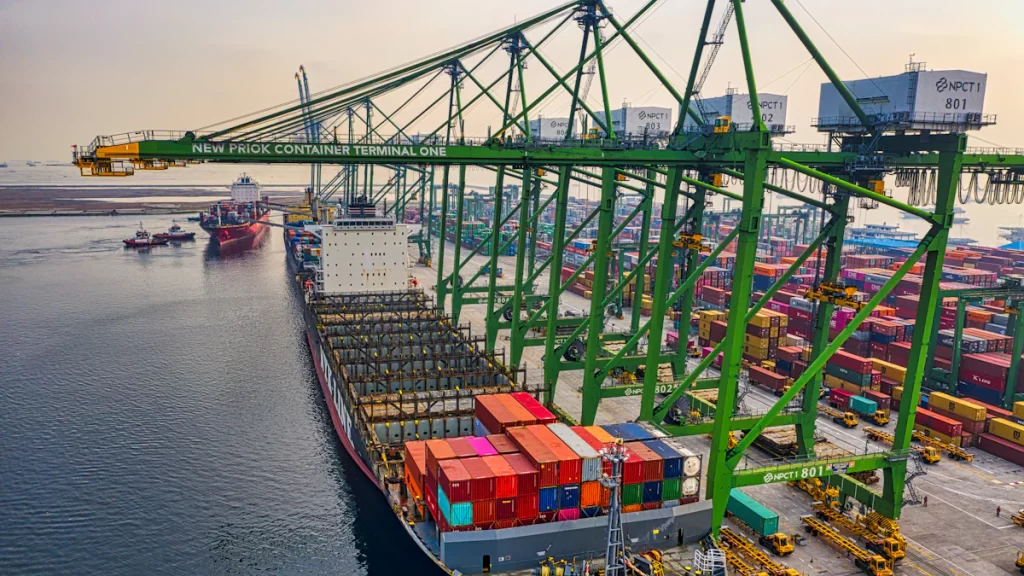
The transit time depends on the port of loading and the final destination in Texas.
Transit Time to Major Texas Destinations
| Origin Port | Entry Port (U.S.) | Final Destination | Total Transit Time |
|---|---|---|---|
| Shanghai | Houston | Houston Warehouse | 28–33 days |
| Shenzhen | Houston | Dallas (Rail) | 32–37 days |
| Ningbo | Houston | Austin | 30–35 days |
| Qingdao | Houston | San Antonio | 31–36 days |
Additionally, drayage delays in Texas may add 1–3 days depending on congestion.
4. What Are Typical Costs for 20GP FCL Electronics Shipping?
Electronics importers usually benefit from stable rates, but inland charges can be unpredictable.
Estimated 20GP FCL Shipping Cost: China → Texas
| Origin Port | Avg Cost (USD) | Notes |
|---|---|---|
| Shanghai | $2,800–$3,800 | High volume, predictable rates |
| Shenzhen | $3,000–$4,000 | Preferred for electronics |
| Ningbo | $2,900–$3,900 | Strong South China alternatives |
| Qingdao | $3,100–$4,100 | Higher rail access fees |
Detention charges, however, can range from $150–$300 per day, making prevention essential.
5. How Can You Prevent Detention When Shipping Electronics to Texas?
Detention prevention starts long before the container arrives at the destination.
Proven Detention Prevention Strategies:
- Pre-book truck appointments before cargo arrives
- Confirm warehouse receiving hours, including weekends
- Submit customs documents early to prevent holds
- Use live-tracking tools to monitor container availability
- Request chassis and trucker allocation in advance
- Prepare unloading resources ahead of time
- Negotiate extended free time if your shipment volume allows
Moreover, maintaining accurate documentation for electronics (especially batteries) reduces hold risks.
6. Which Documentation Helps Avoid Detention Delays?
Electronics are sensitive cargo with strict compliance requirements.
Documentation Checklist for Electronics Imports
| Document | Required | Notes |
|---|---|---|
| Commercial Invoice | ✔️ | List HS codes, item descriptions |
| Packing List | ✔️ | Must match container loading |
| Bill of Lading | ✔️ | Telex release recommended |
| MSDS (for batteries) | ✔️ | Avoids customs inspection delays |
| FCC Compliance | Optional | Required for certain electronics |
| EIN / IRS ID | ✔️ | Mandatory for U.S. importers |
Ensuring document accuracy reduces customs delays that lead directly to detention charges.
7. What Are the Main Risks for Electronics Imports to Texas?
Electronics often face unique challenges:
- Battery regulation checks, especially for lithium-ion devices
- Security inspections, due to higher risk of counterfeit goods
- Port congestion, especially during international holidays
- Rail delays from Houston to Dallas, adding 1–5 days
Therefore, importers must plan for buffer time to avoid detention impact.
8. How Does 20GP FCL Compare to Other Shipping Options for Electronics?
Shipping Method Comparison
| Mode | Transit Time | Cost | Best For | Pros | Cons |
|---|---|---|---|---|---|
| 20GP FCL | 28–37 days | Medium | Bulk electronics | Secure, predictable | Risk of detention |
| 40HQ FCL | 28–37 days | Higher | Large-volume orders | More space | Higher base cost |
| LCL | 32–45 days | Low (per CBM) | Small shipments | No need for full container | Higher delay risk |
| Air Freight | 3–7 days | Very High | Urgent items | Fastest option | Too costly for bulk |
FCL remains the most cost-effective and secure model for high-volume electronics.
9. What Are the Latest Logistics Trends Affecting Electronics Shipping to Texas?
Current logistics trends impacting detention and transit performance include:
- Rise of automation at Houston terminals
- Expanded inland rail capacity for Dallas and Austin
- Higher demand for FCL during e-commerce peak season
- Increased customs scrutiny for battery-powered devices
- Digital trucking platforms improving appointment scheduling
Understanding these trends allows importers to adapt their strategies.
10. Can Technology Reduce Detention for Electronics Shipments?
Yes—modern logistics tools offer significant advantages.
Helpful Technology Solutions:
- Real-time container tracking (GPS / EDI)
- Automatic appointment scheduling with Texas drayage companies
- AI-based ETA forecasting, reducing planning errors
- Digital customs pre-clearance tools
- Smart warehouse receiving systems
Additionally, technology reduces manual communication errors that often cause detention.
📦Get a Free Quote
To minimize risks and prevent unexpected fees, our team provides expert guidance for 20GP FCL detention prevention for electronics from China to Texas. We help you plan transport schedules, secure advanced truck appointments, manage customs documentation, and choose the fastest, most reliable transit routes.
❓ Frequently Asked Questions
1. How many free detention days do Texas ports offer?
Most carriers provide 3–5 free detention days, but importers can sometimes negotiate for 7–10 based on shipment volume.
2. Can detention fees be waived if delays are caused by customs?
Carriers rarely waive charges for customs delays, so early document submission is essential to avoid costly holds.
3. What items cause the most delays in electronics shipments?
Lithium batteries, power adapters, radio-frequency devices, and high-value electronics often get flagged for additional inspection.
4. Do I need special approval to import electronics into Texas?
Most electronics only require standard documentation, but items with wireless components may need FCC compliance certification.
5. How can I speed up inland delivery to Dallas or Austin?
Pre-book trucking appointments, confirm container availability in advance, and choose rail routes with shorter turn times.
Conclusion
Effective 20GP FCL detention prevention for electronics from China to Texas depends on careful planning, accurate documentation, timely trucking arrangements, and strong communication with warehouses and carriers. Since electronics shipments are sensitive to delays and cost fluctuations, importers must use proactive strategies—such as early pre-clearance, digital tracking, and coordinated delivery appointments—to minimize detention and maintain supply chain efficiency. Partnering with the right freight forwarder ensures every shipment moves smoothly from China to Texas without costly interruptions.