

- By kelly
- November 27, 2025
- Logistics Guide
Reefer FCL Demurrage Prevention for Auto Parts from China to Norway
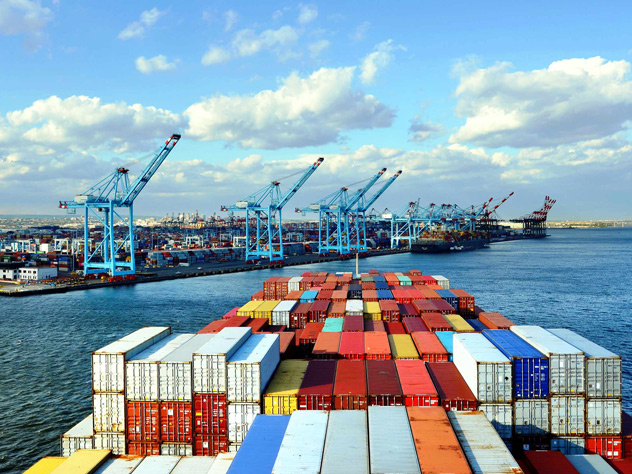
Managing Reefer FCL demurrage prevention for auto parts from China to Norway has become increasingly important as European ports tighten cargo flows, enforce stricter inspections, and shorten free time windows. Although reefer containers are normally used for perishables, many automotive importers rely on them to protect humidity‑sensitive components, electronics, wiring harnesses, and coated parts. Therefore, preventing demurrage is essential to avoid unnecessary costs and protect schedule reliability.
1. Why Do Auto Parts Sometimes Ship in Reefer FCL Containers?
Although auto parts are not temperature‑controlled cargo, they may require reefer containers for protection against:
- Moisture damage affecting electronic components
- Rust formation on metallic parts during long voyages
- Humidity‑sensitive packaging, such as sealed foam or treated cardboard
- Condensation risk in winter routes to Northern Europe
- Priority handling at major transshipment hubs
Moreover, reefer containers offer better insulation and monitoring, ensuring consistent cargo conditions throughout the journey.
2. What Causes Reefer FCL Demurrage for Auto Parts Arriving in Norway?
Demurrage occurs when the container stays at the port longer than the free time allowed. Typical causes include:
- Customs delays due to incomplete or inconsistent documentation
- Random inspections for high-value or dual‑use auto parts
- Port congestion in Oslo, Kristiansand, or Bergen
- Warehouse readiness issues delaying pickup
- Incorrect reefer power connection during port handling
- Late telex release or B/L amendment problems
Additionally, weekends and Norwegian public holidays can reduce port operating hours, increasing overall demurrage risk.
3. What Is the Standard Transit Time for Reefer FCL Auto Parts to Norway?
Transit time varies significantly depending on the China origin port and the selected route.
Transit Time Table: China → Norway
| China Port | Norway Port | Transit Time | Routing Notes |
|---|---|---|---|
| Shanghai | Oslo | 33–40 days | Often via Rotterdam or Hamburg |
| Ningbo | Bergen | 35–43 days | Limited direct feeder services |
| Shenzhen | Kristiansand | 32–39 days | Fastest South China option |
| Qingdao | Oslo | 36–44 days | Transshipment required |
Furthermore, inland trucking in Norway may add 1–4 days depending on delivery location and weather.
4. What Does Reefer FCL Shipping Cost for Auto Parts to Norway?
Reefer FCL containers cost more than dry containers due to equipment scarcity and monitoring requirements.
Estimated Reefer FCL Cost (40RH/40RF)
| Origin Port | Avg Cost (USD) | Additional Surcharges |
|---|---|---|
| Shanghai | $6,800–$8,200 | Reefer monitoring, plug‑in fees |
| Ningbo | $6,900–$8,400 | Hazard checks for certain parts |
| Shenzhen | $7,100–$8,600 | High reefer demand region |
| Qingdao | $6,700–$8,300 | Winter humidity risk surcharge |
Prices fluctuate during peak automotive production cycles and Q4 export surges.
5. How to Prevent Reefer FCL Demurrage for Auto Parts in Norway?
Proactive planning is crucial.
Demurrage Prevention Checklist
- Submit customs documents early, ideally before vessel arrival
- Coordinate with the warehouse to schedule unloading immediately
- Request extended free time if cargo volume is high
- Track vessel ETA daily to adjust trucking schedules
- Pre-pay customs duties, reducing clearance delays
- Use ASYCUDA or Norway’s digital customs portal to streamline entry
- Avoid last‑minute amendments to the bill of lading
Additionally, shippers should verify reefer power requirements to avoid inspection holds.
6. What Documents Are Required for Auto Parts Imports to Norway?
Accurate documentation is essential, especially for auto parts classified under restricted categories.
Customs Documents Checklist
| Document | Required | Details |
|---|---|---|
| Commercial Invoice | ✔️ | Must show detailed HS codes and part descriptions |
| Packing List | ✔️ | Should match dimensions and reefer container load |
| Bill of Lading | ✔️ | Telex release recommended |
| Certificate of Origin | Optional | Needed for tariff preferences |
| MSDS | Optional | For auto parts with chemicals or batteries |
| EORI Number | ✔️ | Required for EU‑related supply chain handling |
Missing or inaccurate documentation is the leading cause of demurrage in Norway.

7. Which Auto Parts Are Most Exposed to Demurrage Risk?
Based on historical trends, the following auto parts face higher inspection or clearance delays:
- Wiring harnesses (chemical components flagged)
- Braking systems (safety‑critical parts)
- Electronic control modules (require FCC/CE compliance)
- Lithium‑ion battery packs (high-risk category)
- Shock absorbers containing pressurized gas
Therefore, importers should prepare additional documentation for these items.
8. How Does Reefer FCL Compare with Other Shipping Methods for Auto Parts?
Shipping Method Comparison
| Mode | Transit Time | Cost Level | Best For | Pros | Cons |
|---|---|---|---|---|---|
| Reefer FCL | 32–44 days | High | Humidity‑sensitive auto parts | Protection, monitoring | Higher cost |
| Dry FCL | 32–44 days | Medium | General auto parts | Cost-effective | Less humidity control |
| LCL | 36–50 days | Low | Small shipments | Budget-friendly | High delay risk |
| Air Freight | 3–7 days | Very High | Urgent auto components | Fastest | Very expensive |
Auto parts with strict moisture‑control needs benefit greatly from reefer containers despite higher pricing.
9. What Trends Are Affecting Reefer FCL Shipping to Northern Europe?
Current logistics trends include:
- Increased demand for reefer units beyond food cargo
- High winter congestion due to icy weather in Scandinavia
- More regulatory checks for auto parts with electronics
- Digital port systems reducing manual clearance delays
- Sustainability initiatives influencing container routing and pricing
Understanding these trends helps importers prepare for both seasonal and structural logistics changes.
10. Can Technology Improve Reefer FCL Demurrage Prevention?
Yes—technology significantly boosts efficiency and reduces risks.
Helpful Digital Tools:
- Real‑time reefer temperature tracking
- ETA prediction AI tools
- Automated customs pre-clearance
- Truck appointment scheduling software
- Digital B/L management systems
Moreover, digital filing reduces paperwork mistakes that commonly cause demurrage.
📦Get a Free Quote
Avoiding delays and unnecessary fees requires proactive planning. Our operations team specializes in Reefer FCL demurrage prevention for auto parts from China to Norway, helping you secure scheduling, manage documents, and streamline customs clearance. Contact us today for reliable, cost‑efficient solutions.
❓ Frequently Asked Questions
1. How many free demurrage days do Norwegian ports offer?
Most ports offer 3–5 free days for reefer containers, though some carriers may grant extensions depending on volume agreements.
2. Do auto parts require special documentation in Norway?
Some electronic or chemical parts may require MSDS or additional compliance documents. Submitting them early prevents inspection delays.
3. Can demurrage charges be waived for weather‑related delays?
Occasionally, but approval depends on the carrier. However, weather‑related delays in Norway are common during winter.
4. Is reefer shipping necessary for all auto parts?
Not always. Only humidity‑sensitive or electronically complex parts benefit from reefer protection. Others can use dry FCL.
5. Why are reefer bookings more difficult than dry FCL bookings?
Reefer containers are limited globally and often prioritized for perishables, so availability fluctuates significantly.
Conclusion
Effective Reefer FCL demurrage prevention for auto parts from China to Norway relies on timely documentation, accurate cargo preparation, early customs submissions, and careful coordination with port authorities and truckers. As demand for reefer units grows and European ports tighten their logistics requirements, proactive planning is critical. By leveraging digital tools, optimizing transit routes, and working with an experienced freight forwarder, importers can avoid costly demurrage and ensure seamless delivery of auto parts across Norway’s automotive supply chain.