

- By carlie tj
- November 27, 2025
- Logistics Guide
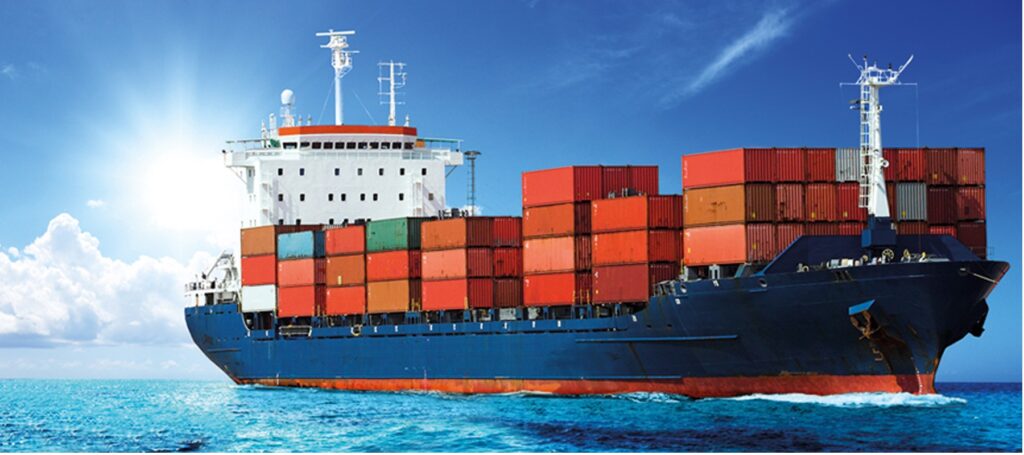
Exporting furniture from China to Ireland demands not only reliable transport but also strategic management to avoid unnecessary costs. At ChinaTopFreight, we help clients implement effective 40HQ FCL detention prevention for furniture from China to Ireland, ensuring your shipments arrive safely and without extra port charges. Detention issues often lead to financial losses and schedule disruptions — but with proper planning, they can be completely avoided.
1. What Is 40HQ FCL Detention and Why Does It Matter?
In international logistics, detention refers to the extra fee charged by carriers when you keep a shipping container beyond the allowed free time after it’s been discharged from the port.
For 40HQ (High Cube Full Container Load) shipments, which are ideal for furniture due to their extra space, detention costs can accumulate quickly — often ranging from $80–$150 per day after the grace period.
Preventing detention ensures that your supply chain runs efficiently, avoiding unnecessary surcharges and delays in customer delivery schedules.
2. Why Is 40HQ FCL Shipping the Best Option for Furniture Exports?
Furniture shipments often involve large volumes and delicate materials requiring sturdy containers and secure packing. A 40HQ container offers more internal height (2.7 meters) than standard containers, maximizing loading efficiency.
| Container Type | Capacity (CBM) | Recommended Cargo | Remarks |
|---|---|---|---|
| 20GP | 28 | Compact furniture pieces | Best for small volumes |
| 40GP | 57 | Mid-size furniture sets | Standard for medium volume |
| 40HQ | 68 | Large, bulky furniture | Ideal for maximizing space & cost |
Moreover, using FCL shipping reduces cargo handling and damage risks, making it a preferred option for fragile or custom-built furniture items.
3. What Causes Detention Charges for 40HQ FCL Containers?
Detention charges usually occur when containers are not returned within the carrier’s free period. Common reasons include:
- Customs clearance delays in Ireland.
- Port congestion or limited trucking capacity.
- Incomplete import documents.
- Delays in unloading at warehouses or distribution centers.
- Holidays and weekends extending transit times.
However, by planning and coordinating logistics in advance, shippers can effectively minimize or eliminate these delays.
4. How Many Free Days Are Allowed Before Detention Starts?
Carriers typically provide 5 to 7 free days for container use after arrival at the destination port (e.g., Dublin or Cork). Some carriers offer extended periods for FCL shipments, especially for consistent clients.
| Shipping Line | Free Days (Ireland) | Detention Rate (per day) | Notes |
|---|---|---|---|
| Maersk | 7 | $120/day | Renewable upon request |
| COSCO | 5 | $100/day | Standard free period |
| MSC | 7 | $90/day | Flexible policy for regular shippers |
| CMA CGM | 6 | $110/day | Optional extended days |
Extending free days through advance agreement with carriers or forwarders like ChinaTopFreight can save substantial costs.
5. How Can You Prevent 40HQ FCL Detention When Shipping Furniture?
To avoid detention, exporters and importers must work in sync. The following practices are highly effective:
- Complete customs paperwork in advance.
- Pre-book trucking and unloading schedules.
- Track vessel arrival ETA closely.
- Communicate with destination warehouse teams early.
- Negotiate extended free days when booking containers.
Moreover, having a freight forwarder handle local clearance and delivery can ensure faster turnaround and lower risk of penalties.

6. What Are the Typical Transit Times from China to Ireland?
Transit duration depends on the port of origin, route, and carrier schedule. On average, sea freight from China to Ireland takes 32–38 days.
| Origin Port (China) | Destination Port (Ireland) | Average Transit Time (Days) | Main Carrier |
|---|---|---|---|
| Shanghai | Dublin | 34–36 | COSCO, CMA CGM |
| Shenzhen (Yantian) | Cork | 33–35 | Maersk, MSC |
| Ningbo | Dublin | 32–34 | Evergreen, ONE |
| Qingdao | Dublin | 35–38 | Hapag-Lloyd |
Knowing the schedule in advance allows furniture importers to coordinate trucking, customs clearance, and warehouse planning effectively — reducing detention risks.
7. How Do Documentation Errors Lead to Detention?
Incorrect or missing documents are among the top causes of detention. Always double-check the following key documents:
| Document | Purpose |
|---|---|
| Bill of Lading | Confirms container ownership and shipment details |
| Commercial Invoice | Declares cargo value for customs |
| Packing List | Details quantity and item specifications |
| Import License | Required for regulated products |
| Delivery Order | Issued for container release |
| Insurance Certificate | Covers cargo risk during transit |
Additionally, ensure HS codes, consignee names, and item descriptions match exactly across all paperwork to avoid customs hold-ups.
8. How Does a Freight Forwarder Help Prevent FCL Detention?
A professional freight forwarder coordinates every logistics step — from booking to final container return. Their responsibilities include:
- Tracking sailing schedules and vessel ETAs.
- Managing customs declarations.
- Scheduling delivery and unloading.
- Communicating with carriers for free-day extensions.
- Providing container pickup and return support.
Therefore, working with experienced logistics providers such as ChinaTopFreight ensures transparency, compliance, and timely handling across both China and Ireland.
9. What Are the Financial Impacts of Detention on Furniture Importers?
Uncontrolled detention can quickly inflate shipping expenses. For a 40HQ container, even a 5-day delay can lead to $500–$700 in extra costs. These fees directly affect:
- Profit margins due to higher import expenses.
- Customer delivery schedules, causing dissatisfaction.
- Warehouse turnover, disrupting stock availability.
Therefore, proper planning, digital tracking, and proactive communication are essential to maintaining smooth and cost-efficient trade flows.
Request a Quote
China Top Freight offers:
- ✅ Origin and Destination Countries
- ✅ Cargo Type and Volume
- ✅ Preferred Transport Method (Air, Sea, Rail, Road)
- ✅ Delivery Timeline
- ✅ Special Handling Requirements (if any)
FAQ
1. How long is the standard free time for containers in Ireland?
Most carriers offer 5–7 free days after container discharge before detention fees apply, though extensions can be negotiated in advance.
2. Can I request additional free days before the shipment departs China?
Extra free days can be requested when booking, helping manage customs and delivery timelines while reducing the risk of detention.
3. What if my consignee delays unloading the furniture cargo?
Notify your freight forwarder immediately to coordinate with carriers and minimize detention costs through faster truck scheduling.
4. How do I calculate detention charges?
Charges are based on the carrier’s daily rate multiplied by the number of days the container remains beyond the free period.
5. What’s the difference between detention and demurrage?
Detention applies after the container leaves the port, while demurrage refers to fees for containers left inside the port past free time.
Conclusion
If you’re exporting furniture, every day counts. ChinaTopFreight offers end-to-end solutions for 40HQ FCL detention prevention for furniture from China to Ireland, including factory pickup, customs management, and timely delivery coordination. Our expertise ensures your shipment remains compliant, cost-efficient, and penalty-free. Contact us today to receive a customized shipping plan tailored to your supply chain needs.