

- By ayla tj
- November 27, 2025
- Logistics Guide
The 40GP FCL booking process for textiles from China to Seattle plays a vital role in ensuring smooth and cost-efficient garment supply chains. With global apparel demand rising, textile exporters must manage logistics efficiently to avoid port delays and cost overruns. This comprehensive guide explains each step of booking, documentation, customs, and transport optimization from China to the U.S. West Coast.
1. What Is 40GP FCL Shipping and Why It’s Ideal for Textiles?

A 40GP FCL (40-foot General Purpose Full Container Load) is the most commonly used shipping method for large textile exports. It provides a secure, spacious, and cost-efficient way to move fabrics, garments, or apparel accessories across long distances.
Key Advantages:
- Accommodates up to 67–70 cubic meters of cargo.
- Protects delicate materials from moisture and contamination.
- Offers full container usage for one exporter, ensuring exclusivity.
- Reduces per-unit shipping cost compared to LCL or air freight.
For textile exporters, this method ensures quality preservation and predictable delivery timelines.
2. How Does the 40GP FCL Booking Process Work from China to Seattle?
Booking a 40GP FCL shipment involves careful coordination between suppliers, freight forwarders, and customs brokers. Below is the streamlined step-by-step process:
Step 1: Request a freight quotation based on cargo volume and delivery date.
Step 2: Confirm container space availability with your forwarder.
Step 3: Prepare essential documents (invoice, packing list, export declaration).
Step 4: Schedule factory pickup and container loading.
Step 5: Clear Chinese customs and deliver to the origin port.
Step 6: Ship via ocean freight from Shanghai, Ningbo, or Shenzhen.
Step 7: Clear customs upon arrival at the Port of Seattle.
Step 8: Arrange final inland trucking to the warehouse or buyer.
Working with an experienced freight forwarder ensures each stage is executed on time and in compliance with U.S. import laws.
3. What Is the Average Shipping Cost for Textiles from China to Seattle?
The total 40GP FCL shipping cost includes base ocean freight, port charges, and documentation fees.
| Origin Port (China) | Destination | Transit Time (Days) | Average Cost (USD) | Notes |
|---|---|---|---|---|
| Shanghai | Seattle | 18–22 | 3,800–4,600 | Fastest and most stable route |
| Ningbo | Seattle | 19–24 | 3,700–4,400 | Competitive for high-volume cargo |
| Shenzhen | Seattle | 22–26 | 4,100–4,800 | Longer route but reliable service |
Table 1: Estimated Shipping Cost and Transit Time for 40GP FCL
Shipping costs may fluctuate depending on the season, carrier rates, and global demand. Booking early often guarantees better rates.
What are you waiting for?
Contact chinatopfreight for a fast, free quote.
Are you ready to book?
Access live instant freight quotes
4. Which Documents Are Required for Textile Exports to the USA?
Accurate documentation is essential for smooth customs clearance and duty calculation.
| Document Name | Purpose | Issued By |
|---|---|---|
| Commercial Invoice | Declares value for customs | Exporter |
| Packing List | Details carton quantity & weights | Shipper |
| Bill of Lading | Confirms shipment ownership | Freight Forwarder |
| Export Declaration | Required for export authorization | Exporter |
| Certificate of Origin | Validates Chinese origin | Chamber of Commerce |
| Textile Compliance Certificate | Ensures safety and labeling standards | Manufacturer |
Table 2: Key Documents for Textile Shipments
Ensuring compliance with U.S. textile labeling and material standards avoids inspection delays.
5. How to Ensure Proper Loading and Packaging for Textiles?
Proper packing prevents wrinkles, moisture damage, and contamination. Textiles are often packed in polybags, sealed cartons, or rolls.
Loading Guidelines:
- Use moisture barrier packaging and desiccant bags.
- Stack cartons evenly to avoid collapse during sea movement.
- Seal container doors with customs-approved seals.
- Add pallets for easy forklift handling at destination.
Correct loading ensures your textile products maintain quality from China to Seattle.
6. What Are the Key Factors That Affect FCL Shipping Costs?
Shipping costs for textiles can vary significantly due to:
- Freight rate fluctuations: Influenced by carrier demand and fuel price.
- Port handling charges: Depend on port congestion and labor availability.
- Container shortage: Common during peak export seasons (August–November).
- Customs duties: Based on U.S. HS codes for textile categories.
- Insurance and surcharges: Added for fragile or high-value fabrics.
Working closely with your freight forwarder helps manage these factors efficiently.
7. How Does Customs Clearance Work in Seattle for Textile Imports?
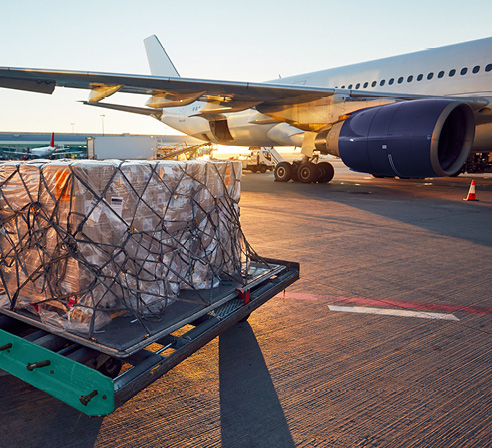
The U.S. Customs and Border Protection (CBP) requires all textile importers to comply with tariffs, labeling laws, and duty payment.
Seattle Customs Process:
- Arrival notification by the shipping line.
- Document submission (invoice, packing list, bill of lading).
- Customs inspection or clearance release.
- Duty assessment and payment.
- Delivery authorization for inland transport.
Average clearance time: 1–3 working days, depending on documentation accuracy and inspection requirements.
8. What Are the Transit Times for 40GP FCL Shipments to Seattle?
Transit times depend on port pairings, carrier service type, and transshipment routes.
| Route | Transit Time (Days) | Carrier Type | Schedule Frequency |
|---|---|---|---|
| Shanghai → Seattle | 18–22 | Direct | Weekly |
| Ningbo → Seattle | 19–24 | Direct | Weekly |
| Shenzhen → Seattle | 22–26 | Transshipment via LA | Biweekly |
Table 3: Typical 40GP FCL Transit Durations
Planning ahead ensures your textiles arrive in time for retail or manufacturing schedules.
9. How Does 40GP FCL Compare with Other Shipping Methods?
| Mode | Cost Level | Transit Time | Best For | Pros | Cons |
|---|---|---|---|---|---|
| 40GP FCL (Sea) | Low | 18–26 days | Bulk textiles | Cost-efficient, secure | Slower than air |
| LCL (Sea) | Medium | 22–30 days | Small volumes | Flexible for mixed cargo | Higher per-unit cost |
| Air Freight | High | 3–6 days | Urgent shipments | Fastest delivery | Expensive |
| Rail Freight | Medium | 15–20 days | Central U.S. delivery | Stable rates | Limited destinations |
Table 4: Shipping Method Comparison for Textile Exports
40GP FCL remains the most balanced option for bulk textile shipments requiring cost control and moderate transit times.
10. Why Partner with a Freight Forwarder for Textile Shipping?
A professional freight forwarder manages every stage—from booking and packing to customs and delivery.
Key Benefits:
- Access to negotiated carrier rates
- Real-time cargo tracking
- Customs compliance guidance
- Risk mitigation through cargo insurance
- Door-to-door logistics coordination
This partnership allows exporters to focus on manufacturing while ensuring efficient shipment execution.
Conclusion
The 40GP FCL booking process for textiles from China to Seattle is the backbone of global apparel logistics, balancing cost, capacity, and delivery efficiency. By preparing documents accurately, optimizing container space, and coordinating with trusted freight partners, exporters can minimize delays and achieve smooth customs clearance. China Top Freight offers reliable support from origin to destination—ensuring your textile shipments reach Seattle securely and on schedule.
FAQ
1. How early should I book a 40GP FCL container for textile exports?
Booking at least three weeks in advance ensures container space and the best rate, especially during high-demand export periods.
2. Can I combine multiple textile categories in one 40GP container?
Yes, mixed textile products can be shipped together if properly declared and documented under the correct HS codes.
3. Are there special requirements for textile labeling when importing to the U.S.?
Yes, labels must include fiber content, country of origin, and care instructions per U.S. FTC guidelines.
4. What is the typical customs duty for textiles in the U.S.?
Most textile products attract duties ranging from 8% to 18%, depending on material type and product category.
5. How can I prevent moisture damage during sea shipping?
Use moisture-proof packaging, desiccant packs, and ventilated containers to control humidity inside the cargo hold.