

- By kelly
- November 27, 2025
- Logistics Guide
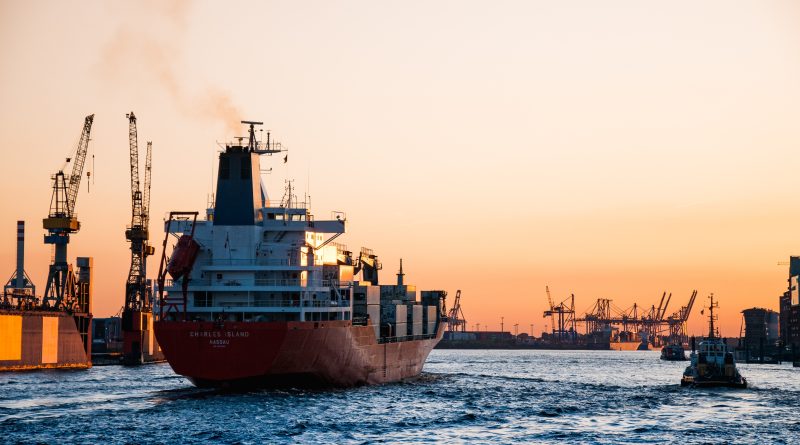
Shipping electronic products from China to the U.S. requires precision, visibility, and reliable timelines. Consequently, many importers rely on 40GP FCL transit time for electronics from China to Long Beach to plan inventory, retail launches, and supply chain operations. Electronics are sensitive, high‑value, and often required urgently, so predictable transit time is critical. This guide explains transit routes, real timelines, shipping costs, documentation, and best practices to ensure stable ocean freight performance.
What Is 40GP FCL Shipping for Electronics?
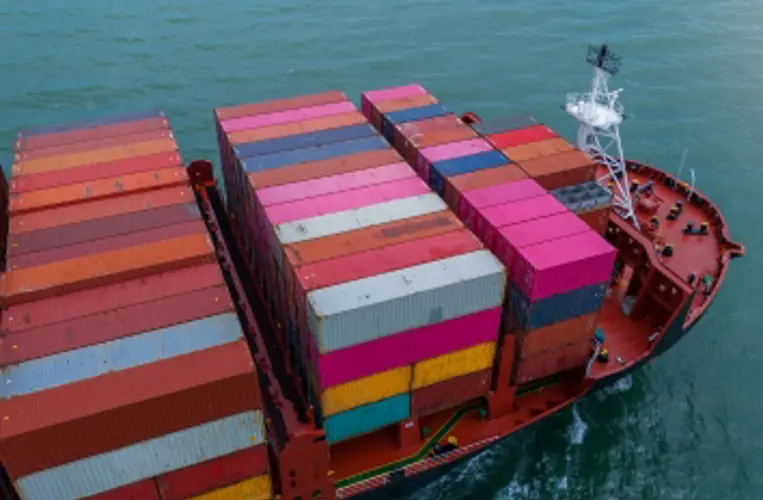
A 40GP FCL (40‑foot general‑purpose full container load) offers exclusive usage of the container, which is ideal for electronics such as laptops, smart home devices, LED displays, computer parts, cables, and audio equipment. Because electronics are sensitive to moisture, static, and shock, using your own container reduces handling and damage risk.
Why Choose a 40GP Over Other Containers?
Although 40HQ containers are popular, 40GP containers provide:
- Better structural strength for stacking
- More suitable loading height for palletized electronics
- Slightly lower freight charges
- Safer airflow for sensitive components
For medium‑to‑large shipments, the 40GP is the balanced choice.
How Long Is the 40GP FCL Transit Time from China to Long Beach?
What Are the Transit Times from Major China Ports to Long Beach?
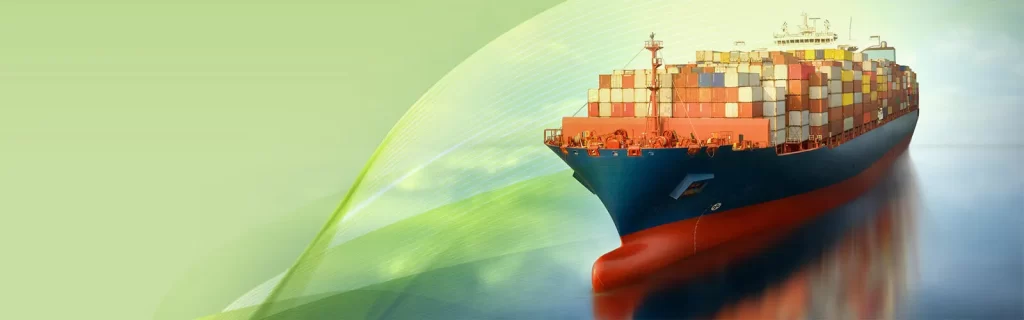
Transit duration varies by departure port. The table below shows typical timelines:
Estimated Transit Time Table: China → Long Beach
| Origin Port (China) | Transit Time to Long Beach (Days) | Notes |
|---|---|---|
| Shenzhen (Yantian/Shekou) | 15–19 days | Highly stable South China route |
| Shanghai | 13–16 days | One of the fastest routes |
| Ningbo | 15–18 days | Strong schedule frequency |
| Qingdao | 18–22 days | Longer due to North China routing |
| Xiamen | 16–20 days | Balanced route with good reliability |
Many shipments travel via the Trans‑Pacific Eastbound (TPEB) lane, which is one of the highest‑volume trades globally.
What Factors Affect Transit Time for Electronics?
Although carriers publish standard schedules, several variables influence the actual transit time:
1. Port Congestion
Long Beach frequently experiences congestion during peak seasons. Therefore, waiting time can extend total transit by 2–4 days.
2. Weather Conditions
Typhoons near southern China ports may delay vessel departures.
3. Carrier Routing
Direct sailings are faster; transshipment routes add 4–7 days.
4. Documentation
Incorrect customs paperwork can delay container release at both origin and destination.
5. Seasonal Demand
Peak periods include:
- August–November (holiday electronics surge)
- January (Chinese New Year)
Planning ahead is essential.
What Routes Do Carriers Use for FCL to Long Beach?
Different carriers provide different paths. The most common include:
Direct Routes
- Shanghai → Long Beach
- Shenzhen → Long Beach
These offer the fastest and most predictable arrivals.
Transshipment Routes
- Ningbo → Busan → Long Beach
- Qingdao → Tokyo → Long Beach
Transshipment is often used when vessel capacity is tight or during congestion.
How Much Does a 40GP FCL Cost for Electronics to Long Beach?
Costs fluctuate weekly, especially in the TPEB lane. Electronics are usually medium‑weight but can still push the payload near limits.
Sample Container Pricing (Electronics, China → Long Beach)
| Container Type | Cost Range (USD) | Comments |
|---|---|---|
| 40GP FCL | $3,500 – $6,200 | Peak seasons may exceed $7,000 |
| 40HQ FCL | $3,700 – $6,500 | Typically slightly higher |
| LCL (per CBM) | $55 – $95 per CBM | More handling, slower release |
Electronics importers prefer 40GP because it provides the best cost‑to‑volume ratio.
What Documentation Is Required for Electronics Entering Long Beach?
Clearing U.S. customs requires accurate documents to avoid holds.
Customs Documents Checklist for Electronics Import
- Commercial invoice
- Packing list
- Bill of Lading
- HS codes
- FCC documentation for communication devices
- FDA form (for certain equipment)
- ISF filing (Importer Security Filing)
- Arrival notice
- Importer of Record (IOR) details
Mistakes in HS codes cause the most delays for electronics.
What Are the Common Causes of Transit Time Delays?
1. Incorrect ISF Filing
If ISF is late or incorrect, customs can hold the container for weeks.
2. Port Congestion
Long Beach is prone to backlogs during peak seasons.
3. Container Rollovers
When vessels reach capacity, some containers are moved to the next sailing.
4. Customs Inspections
Electronics are high‑value; therefore, they attract more exams.
5. Drayage Shortages
Finding trucks for pickup at Long Beach is increasingly challenging.
How Can Importers Reduce Transit Time Risks?
Fortunately, several strategies can help electronics importers maintain predictable schedules:
- Book earlier (14–20 days before departure)
- Choose carriers known for TPEB reliability
- Avoid high‑risk weather seasons
- Use reliable packaging for sensitive components
- Request direct sailings
- Ensure all documents are pre‑cleared
Additionally, using a freight forwarder with strong West Coast connections significantly reduces release delays.
How Does FCL Compare with Air and Rail Freight for Electronics?
When shipping electronics to the U.S., weighing cost versus speed is essential.
Shipping Method Comparison
| Method | Transit Time | Cost | Pros | Cons |
|---|---|---|---|---|
| FCL Sea Freight | 14–22 days | Low | Best for large shipments, secure | Slower than air |
| Air Freight | 1–5 days | Very high | Fast, ideal for urgent shipments | Expensive |
| Rail Freight (China → Europe only) | Not applicable | — | — | Cannot reach the U.S. |
Electronics that are urgent, fragile, or part of just‑in‑time production may need air freight. However, for large batch shipments, FCL is more economical.
How Does Proper Packaging Improve Transit Time Reliability?
Electronics are sensitive and often vulnerable to moisture and static. Therefore, good packaging prevents delays caused by damage or customs concerns.
Recommended Packaging Methods
- Anti‑static bags
- Moisture‑proof shrink wrap
- Palletized cargo for faster loading
- Edge protection and cushioning
- Temperature‑controlled solutions for sensitive chips
Packaging that meets U.S. customs expectations avoids unnecessary inspections.
📦Get a Free Quote
Plan your 40GP FCL transit time for electronics from China to Long Beach with confidence by partnering with a logistics provider that understands the complexity of U.S. customs, port congestion, and electronics handling requirements. Contact us today for real‑time transit insights, competitive rates, and dependable door‑to‑door support tailored to sensitive cargo.
❓ Frequently Asked Questions
1. How long is the 40GP FCL transit time from China to Long Beach?
Transit typically takes 14–22 days depending on port of origin, carrier routing, and seasonal congestion in the Trans‑Pacific lane.
2. Which Chinese port provides the fastest route to Long Beach?
Shanghai offers the fastest average transit time, often between 13 and 16 days when direct sailings are available.
3. What documents are required for electronics imported into Long Beach?
Importers must prepare a commercial invoice, packing list, ISF filing, HS codes, FCC documentation, and a Bill of Lading for clearance.
4. Why do electronics shipments face customs delays?
High‑value goods often undergo extra verification, and errors in HS codes or ISF filing can trigger customs exams lasting several days.
5. Is FCL better than air freight for electronics?
For bulk electronics shipments, FCL offers major cost savings, although air freight is faster for urgent or high‑value deliveries.
Conclusion
Understanding the 40GP FCL transit time for electronics from China to Long Beach is essential for managing lead times, controlling shipping costs, and ensuring on‑time delivery. Because electronics supply chains are sensitive to delays, importers must plan ahead, choose reliable carriers, and maintain proper documentation. Whether shipping laptops, LED screens, smart devices, or circuit components, FCL remains the most cost‑effective and secure method for large‑volume shipments to the United States. With careful planning and the right logistics partner, electronics importers can achieve stable transit times and predictable supply chain performance.