

- By ayla tj
- November 27, 2025
- Logistics Guide
Managing international shipments requires precision, especially for fragile and high-value goods like lighting. The 40GP FCL sailing schedule for lighting from China to Sweden plays a crucial role in optimizing logistics planning, ensuring timely delivery, and maintaining cost efficiency. This article provides a comprehensive guide to routes, transit times, container options, and key documentation for exporters in the lighting industry.
1. What Is 40GP FCL Shipping and Why Is It Ideal for Lighting Exports?
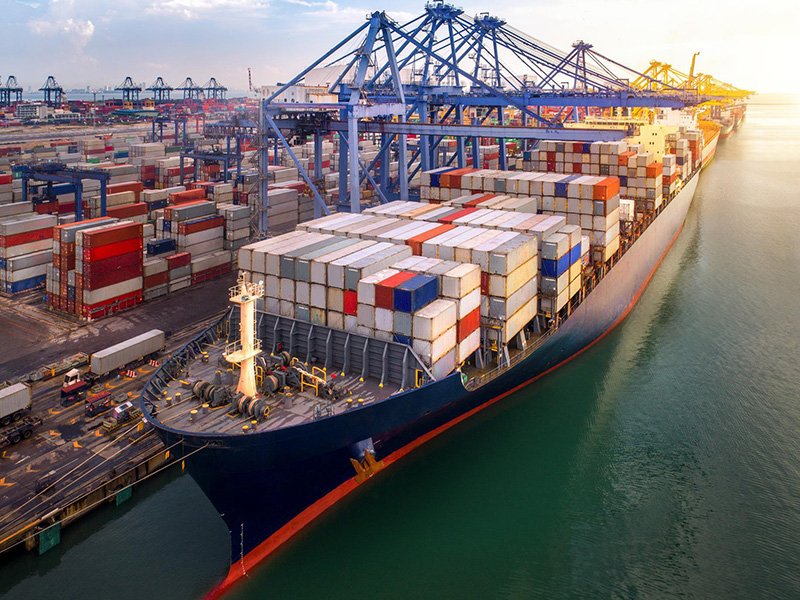
A 40GP FCL (40-foot General Purpose Full Container Load) allows exporters to book an entire container for their own goods, ensuring exclusive use and safety.
Why FCL suits lighting shipments:
- Reduces damage risks for fragile lighting fixtures
- Provides stable shipping schedules
- Allows controlled packaging and temperature
- Cost-effective for large or bulk orders
This method gives lighting exporters greater flexibility and reliability than shared containers (LCL), particularly for high-value or delicate items.
2. What Is the Typical 40GP FCL Sailing Schedule from China to Sweden?
The FCL sailing schedule refers to the planned departure and arrival dates of ocean freight services. For China–Sweden routes, shipments depart weekly from major Chinese ports.
| Origin Port (China) | Destination Port (Sweden) | Carrier Frequency | Transit Time (Days) | Remarks |
|---|---|---|---|---|
| Shanghai | Gothenburg | Weekly | 34–38 | Direct route via Suez Canal |
| Ningbo | Stockholm | Weekly | 36–40 | May include short transshipment |
| Shenzhen | Gothenburg | Weekly | 35–39 | Fastest southern route |
| Qingdao | Malmö | Biweekly | 37–42 | Ideal for northern exporters |
Table 1: Example of 40GP FCL Sailing Schedule from China to Sweden
Understanding these schedules helps lighting exporters plan factory production and coordinate inland deliveries more effectively.
3. How to Check and Book the Latest FCL Sailing Schedule?
Exporters can access updated schedules through:
- Shipping line portals (Maersk, MSC, COSCO, Evergreen)
- Freight forwarder platforms
- Digital logistics dashboards
- Direct contact with China Top Freight, which provides real-time sailing information
Booking early—typically 3 to 4 weeks before shipment—ensures container availability and avoids peak-season delays.
What are you waiting for?
Contact chinatopfreight for a fast, free quote.
Are you ready to book?
Access live instant freight quotes
4. What Is the Average Transit Time for 40GP FCL to Sweden?
The average ocean transit time varies depending on port congestion, vessel route, and seasonal factors.
| Route | Transit Time (Days) | Vessel Type | Frequency |
|---|---|---|---|
| Shanghai → Gothenburg | 34–38 | Direct service | Weekly |
| Ningbo → Stockholm | 36–40 | Transshipment via Hamburg | Weekly |
| Shenzhen → Gothenburg | 35–39 | Direct service | Weekly |
| Tianjin → Malmö | 37–42 | Transshipment via Rotterdam | Biweekly |
Table 2: Typical Transit Times for 40GP FCL Lighting Shipments
Delays may occur during high-demand months (October–December) due to export surges and port congestion.
5. What Are the Costs Involved in FCL Shipping for Lighting?
The cost of 40GP FCL shipping depends on route, carrier, and freight season.
| Cost Component | Average Cost (USD) | Details |
|---|---|---|
| Ocean Freight | 4,500–5,800 | Base shipping charge |
| Port Handling (China) | 200–300 | Loading, documentation |
| Destination Charges | 250–400 | Unloading, customs |
| Customs Clearance | 100–150 | Import/export declaration |
| Inland Trucking (Sweden) | 200–500 | Final delivery to consignee |
Table 3: Typical 40GP FCL Shipping Cost Breakdown
Lighting exporters benefit from FCL’s lower cost per cubic meter, especially when containers are fully utilized.
6. What Documents Are Needed for Lighting Shipments to Sweden?
Accurate documentation ensures compliance with both Chinese export and EU import regulations.
| Document | Purpose | Issuer |
|---|---|---|
| Commercial Invoice | Declares product value | Exporter |
| Packing List | Lists item quantities and weights | Shipper |
| Bill of Lading | Proof of shipment | Freight Forwarder |
| CE Certificate | EU safety compliance for lighting | Manufacturer |
| Certificate of Origin | Confirms Chinese origin | Chamber of Commerce |
| Import Declaration | Authorizes customs release | Importer or Broker |
Table 4: Essential Documents for Lighting Shipments
Failure to submit correct paperwork may delay customs clearance or result in fines.
7. How to Plan Shipping Based on FCL Sailing Schedules?
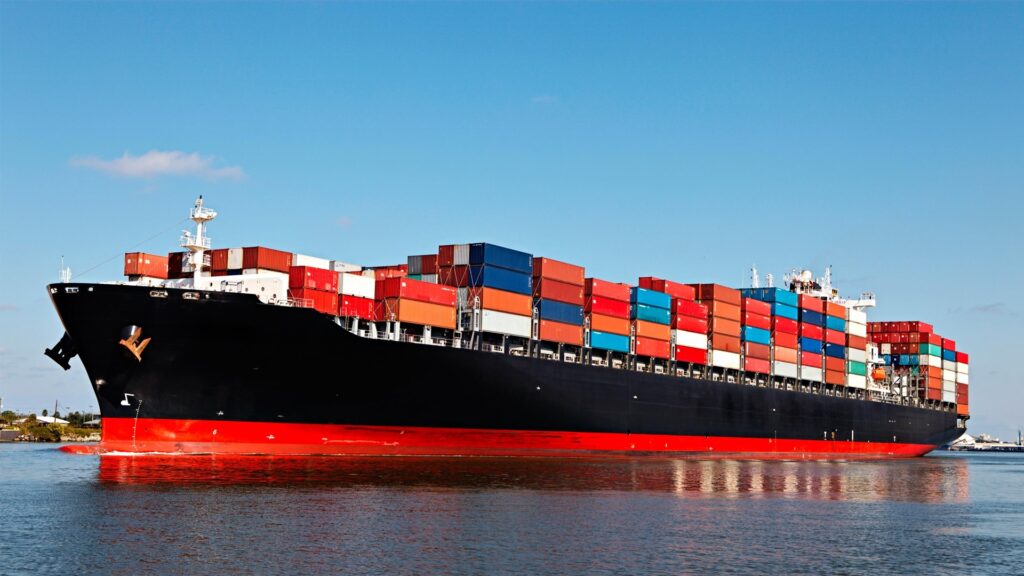
Proper planning ensures smoother export processes.
Steps to Align with Sailing Schedules:
- Review upcoming vessel schedules 4 weeks in advance.
- Reserve a 40GP container early, especially before European peak retail seasons.
- Confirm cut-off dates for container loading.
- Arrange inland transport from factory to port.
- Verify customs clearance before vessel departure.
By synchronizing production and shipping, exporters minimize warehouse storage costs and prevent missed sailings.
8. How Does FCL Compare to Other Shipping Methods for Lighting?
| Shipping Method | Transit Time (Days) | Cost Level | Best For | Advantages | Drawbacks |
|---|---|---|---|---|---|
| 40GP FCL | 34–40 | Low | Large lighting shipments | Cost-efficient, safe | Slower |
| LCL (Sea) | 38–45 | Medium | Small batches | Flexible | Higher handling risk |
| Air Freight | 5–8 | High | Urgent orders | Fastest | Expensive |
| Rail Freight | 18–25 | Medium | Central Europe | Faster than sea | Limited destinations |
Table 5: Comparison of Shipping Options
40GP FCL remains the preferred choice for large-scale lighting exports due to its cost stability and protection benefits.
9. What Are the Customs Requirements in Sweden for Lighting Imports?
All lighting products entering Sweden (and the EU) must comply with EU safety and environmental directives.
Key Requirements:
- CE marking for product safety compliance
- RoHS compliance for material safety
- Energy labeling according to EU standards
- VAT and import duty payments (typically 25% VAT)
Swedish Customs usually clears compliant shipments within 1–3 business days, provided all paperwork is accurate.
10. How to Optimize Transit Time and Reduce Delays?
Lighting shipments are sensitive to delivery schedules, especially for retail or construction projects.
Optimization Tips:
- Choose direct vessel routes from Shanghai or Shenzhen.
- Avoid overloading containers beyond weight limits.
- Use digital tracking tools for real-time updates.
- Pre-arrange customs clearance documentation.
- Partner with a forwarder offering priority FCL booking services.
These strategies ensure on-time arrival and minimize demurrage or detention charges.
Conclusion
The 40GP FCL sailing schedule for lighting from China to Sweden is a critical factor in ensuring reliable and timely deliveries across the supply chain. By understanding schedules, transit times, and compliance requirements, lighting exporters can reduce logistics costs and meet customer deadlines efficiently. Partnering with a professional freight forwarder like China Top Freight guarantees optimized booking, documentation, and customs handling—keeping your lighting shipments on time, every time.
FAQ
1. How often do 40GP FCL ships depart from China to Sweden?
Most carriers operate weekly sailings from major Chinese ports like Shanghai, Ningbo, and Shenzhen to Gothenburg or Stockholm.
2. What is the average cost of shipping a 40GP container to Sweden?
On average, shipping costs range between USD 4,500–5,800, depending on season, route, and carrier rates.
3. Can lighting products be mixed with other goods in an FCL shipment?
Yes, as long as all products comply with export and import safety regulations and are properly documented under one Bill of Lading.
4. How can I track my 40GP FCL shipment to Sweden?
Use your Bill of Lading number on the shipping line’s tracking portal or request updates from your freight forwarder.
5. What are the main entry ports in Sweden for lighting shipments?
Gothenburg, Malmö, and Stockholm are the key ports handling containerized imports from China.