

- By carlie tj
- November 28, 2025
- Logistics Guide
Shipping oversized or heavy electronics by sea requires precise coordination, especially when using flat rack containers. The Flat Rack FCL demurrage prevention for electronics from China to Germany is essential for importers seeking to reduce costs and avoid unnecessary port storage fees. With the help of China Top Freight, you can optimize container use, streamline customs, and ensure timely delivery across major German ports like Hamburg and Bremerhaven.
1. What Is Flat Rack FCL Shipping for Electronics?
Flat Rack Full Container Load (FCL) shipping uses open-deck containers designed for oversized cargo such as large electronic machinery, solar modules, or industrial systems. These containers allow top and side loading, making them ideal for bulky equipment that cannot fit inside standard 20GP or 40HQ units.
However, managing Flat Rack shipments requires expertise in securing cargo, documentation, and scheduling to avoid demurrage and detention at destination ports.
2. Why Is Demurrage Prevention Crucial for Electronics Shipments?
Demurrage fees occur when your container remains in port beyond the free storage period. For electronics shipments, this often results from delayed customs clearance, incomplete documentation, or vessel delays.
Because flat rack containers occupy premium space, ports and carriers impose higher demurrage charges than standard containers. Therefore, proactive planning, pre-clearance, and communication with freight forwarders are vital to saving both time and money.
3. Which Chinese Ports Offer the Best Flat Rack FCL Routes to Germany?
China’s major export hubs—Shanghai, Ningbo, and Shenzhen—offer frequent sailings to Hamburg and Bremerhaven via direct and transshipment routes.
Table 1: Common Flat Rack FCL Routes from China to Germany
| Origin Port (China) | Destination Port (Germany) | Transit Time (Days) | Service Type | Remarks |
|---|---|---|---|---|
| Shanghai | Hamburg | 30–35 | Direct | Fastest schedule |
| Ningbo | Bremerhaven | 32–37 | Direct/Transshipment | Stable capacity |
| Shenzhen (Yantian) | Hamburg | 33–39 | Transshipment via Singapore | Competitive rates |
| Qingdao | Hamburg | 34–40 | Transshipment | Ideal for northern suppliers |
Choosing a route aligned with your supplier location minimizes inland costs and ensures better coordination.
4. How to Prevent Flat Rack FCL Demurrage Efficiently?
Several measures help avoid demurrage costs during international shipping:
- Pre-clear customs: Submit all electronic import declarations before the vessel’s arrival.
- Book early: Reserve equipment and space in advance to prevent port congestion.
- Plan unloading promptly: Coordinate drayage and unloading teams ahead of ETA.
- Use an experienced forwarder: A trusted partner manages all deadlines proactively.
- Monitor vessel schedules: Track updates through carrier systems to plan dispatch accurately.
Additionally, combining shipment visibility tools with local German customs agents ensures timely cargo retrieval.
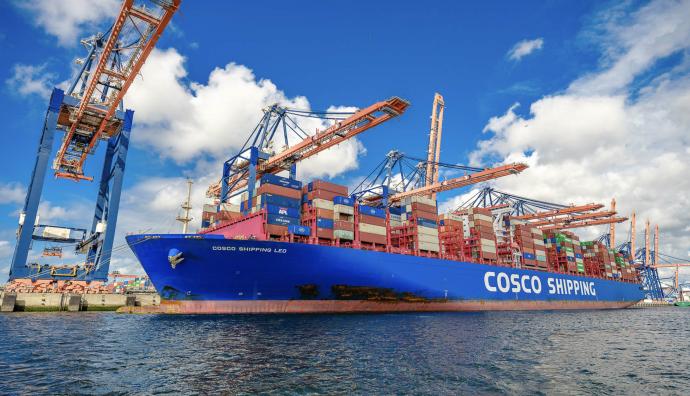
5. What Are the Typical Demurrage Charges for Flat Rack Containers?
Demurrage rates vary by port and carrier, but flat rack containers often incur higher fees due to limited availability.
Table 2: Average Flat Rack Demurrage Charges (Germany)
| Port | Free Time (Days) | Demurrage Rate (Per Day) | After 7 Days (Cumulative) |
|---|---|---|---|
| Hamburg | 5 | $150 – $250 | $1,050 – $1,750 |
| Bremerhaven | 4 | $130 – $220 | $910 – $1,540 |
To avoid penalties, importers should plan trucking availability and warehouse space before cargo arrival.
6. What Documents Are Required for Flat Rack FCL Shipping to Germany?
For smooth customs clearance and demurrage prevention, ensure all paperwork is accurate and submitted promptly:
- Commercial invoice & packing list
- Bill of Lading (B/L)
- Certificate of origin
- Cargo insurance certificate
- Product test/compliance certificates
- Importer of Record (IOR) registration
- EU conformity documentation (CE marking for electronics)
Early documentation submission accelerates clearance and container release.
7. How Does Container Insurance Help Prevent Financial Losses?
Comprehensive cargo insurance protects your investment from damages, theft, or extended demurrage caused by unforeseen delays. Flat Rack shipments are often exposed to weather and mechanical risks during loading, so insurance is critical for high-value electronics.
Moreover, working with insurers who specialize in marine logistics ensures your policy includes coverage for demurrage-related contingencies.
8. What Are the Best Practices for Loading Electronics on Flat Rack Containers?
Improper loading may cause delays or rejections at port inspections. Here’s how to ensure compliance:
- Use protective covers to guard against moisture or dust.
- Secure cargo with steel straps and wooden braces.
- Distribute weight evenly to avoid damage or imbalance.
- Attach clear labeling indicating handling instructions.
- Include loading photos in shipping documentation for reference.
These practices help minimize customs inspections and improve offloading efficiency in Germany.
9. How Does Flat Rack FCL Compare to Other Shipping Options?
| Aspect | Flat Rack FCL | Standard FCL | Air Freight |
|---|---|---|---|
| Cargo Type | Oversized electronics | Regular cartons/pallets | Small, high-value electronics |
| Cost | Moderate–High | Lower | Expensive |
| Transit Time | 30–40 days | 30–35 days | 5–7 days |
| Risk Exposure | High (open deck) | Low | Low |
| Best For | Industrial machines | Consumer electronics | Urgent shipments |
Flat Rack FCL provides the flexibility required for large or irregular-shaped electronic equipment, making it ideal for manufacturing machinery or telecom systems.
10. Conclusion
Preventing demurrage in Flat Rack FCL shipping for electronics from China to Germany requires strategic planning and expert coordination. By choosing optimal ports, preparing documentation early, and working with a professional freight partner like China Top Freight, importers can reduce delays and expenses. Whether shipping telecommunications systems or industrial electronics, efficient Flat Rack FCL management ensures your goods arrive safely, on schedule, and within budget.
Request a Quote
China Top Freight offers:
- ✅ Origin and Destination Countries
- ✅ Cargo Type and Volume
- ✅ Preferred Transport Method (Air, Sea, Rail, Road)
- ✅ Delivery Timeline
- ✅ Special Handling Requirements (if any)
FAQ
1. How can I calculate potential demurrage charges before shipping?
Estimate based on free days, port rates, and carrier fees, adding extra margin for potential customs or port delays.
2. What are the main causes of demurrage for flat rack containers?
Delays in customs clearance, slow unloading, port congestion, or incomplete import documentation often trigger demurrage fees.
3. Which German ports handle flat rack containers most efficiently?
Hamburg and Bremerhaven are the leading ports equipped with heavy-lift cranes and specialized areas for flat rack cargo.
4. Can cargo tracking help avoid demurrage?
Tracking ensures importers schedule trucking and customs clearance in advance, minimizing idle time and avoiding port storage fees.
5. What is the ideal preparation time before the vessel arrives?
Ideally, importers should finalize customs documentation and trucking arrangements at least three days before arrival at destination port.