

- By ayla tj
- November 28, 2025
- Logistics Guide
Shipping high-value electronic products requires strict environmental control, and understanding the Reefer FCL freight rate for electronics from China to Netherlands is essential for shippers seeking safe, stable, and predictable logistics performance. Electronics are sensitive to moisture, temperature fluctuations, and condensation, and many importers experience losses caused by mold, corrosion, or packaging damage when using standard dry containers. Therefore, reefer containers provide a controlled climate solution that protects electronic components, circuit boards, and high-tech devices throughout the journey.
This article explains freight rates, transit time, required documents, and best practices, while offering a clear roadmap to reduce logistics risks and improve supply chain stability.
1. What Determines the Reefer FCL Freight Rate for Electronics from China to Netherlands?

The final reefer freight rate is influenced by multiple dynamic factors. Moreover, electronics require stable humidity levels, which increases handling complexity. Key price drivers include:
- Base ocean freight
- Reefer equipment and power surcharges
- Peak season surcharge (PSS)
- Fuel-related charges (BAF, CAF)
- Port congestion fees
- Terminal handling charges (THC)
Because reefer equipment is limited, rates rise significantly during export peak seasons, especially around Q3–Q4 when China’s electronics exports surge globally.
2. How Does Reefer FCL Compare with Dry FCL for Electronics Shipping?
Although many importers assume electronics do not need cold-chain protection, moisture and humidity pose major risks. Dry containers are prone to condensation (“container rain”), while reefer FCL maintains controlled air circulation.
Comparison Table – Reefer FCL vs Dry FCL for Electronics
| Feature | Reefer FCL | Dry FCL |
|---|---|---|
| Temperature Control | Yes | No |
| Humidity Control | Yes | No |
| Condensation Protection | Excellent | Low |
| Electronics Safety | Very High | Moderate |
| Freight Rate | Higher | Lower |
| Suitable for Sensitive Electronics | Yes | Partially |
Therefore, for high-value electronics such as servers, smart devices, LED panels, computers, sensors, and industrial equipment, reefer FCL offers significantly better protection.
3. What Is the Typical Reefer FCL Freight Rate from China to the Netherlands?
While reefer freight rates change weekly, the following estimated ranges provide a realistic reference based on current market levels and historical trends.
Estimated Reefer FCL Freight Rate (China → Netherlands)
| China Port | Netherlands Port | Estimated Rate (USD) |
|---|---|---|
| Shanghai | Rotterdam | $6,300 – $8,000 |
| Ningbo | Rotterdam | $6,100 – $7,800 |
| Shenzhen/Yantian | Rotterdam | $6,400 – $8,200 |
| Qingdao | Rotterdam | $6,200 – $7,900 |
These ranges include reefer surcharges but exclude origin and destination local fees. Additionally, routes with transshipment may cost slightly more due to increased monitoring and plugging fees.
What are you waiting for?
Contact chinatopfreight for a fast, free quote.
Are you ready to book?
Access live instant freight quotes
4. How Long Is the Reefer FCL Transit Time from China to Netherlands?
Transit time affects inventory planning and delivery schedules. Electronics brands operating on tight production cycles need accurate lead time estimates.
Estimated Transit Time Table (China → Netherlands)
| China Port | Netherlands Port | Transit Time |
|---|---|---|
| Shanghai | Rotterdam | 28–34 days |
| Ningbo | Rotterdam | 27–33 days |
| Shenzhen/Yantian | Rotterdam | 30–36 days |
| Qingdao | Rotterdam | 31–37 days |
Transit times vary by carrier, seasonal congestion, and routing via Singapore or Middle East transshipment hubs.
5. Why Do Electronics Require Reefer FCL Instead of Dry Containers?
Electronics—especially those with metal components, lithium battery packs, precision sensors, and chips—are highly sensitive to moisture. When humidity levels exceed safe thresholds, the risks include:
- Short circuits
- Corrosion on PCB surfaces
- Oxidation on metal connectors
- Damage to lithium battery cells
- Deterioration of high-value components
Additionally, packaging such as foam, cardboard, and polymers may absorb moisture, causing warping or contamination.
Reefer FCL stabilizes temperature and humidity to prevent these issues, ensuring products arrive ready for distribution.
6. What Additional Fees Apply to Reefer FCL Shipping for Electronics?
Beyond the base ocean freight, reefer-specific fees apply due to energy consumption, handling, and monitoring.
Common Additional Charges for Reefer FCL
| Charge Type | Description | Estimated Cost |
|---|---|---|
| Reefer Plug-in Fee | Electricity at origin/destination | $60–$120/day |
| Monitoring Fee | Regular checks during terminal storage | $45–$90 |
| PSS | Peak season surcharge | $150–$350 |
| BAF | Fuel adjustment | Varies monthly |
| THC | Terminal handling charges | $200–$350/side |
| ISPS | Port security fee | $15–$35 |
| Customs Clearance | Import/export paperwork | $100–$180 |
These costs vary by port, carrier, terminal, and season.
7. How Can Importers Reduce the Reefer FCL Freight Rate for Electronics?
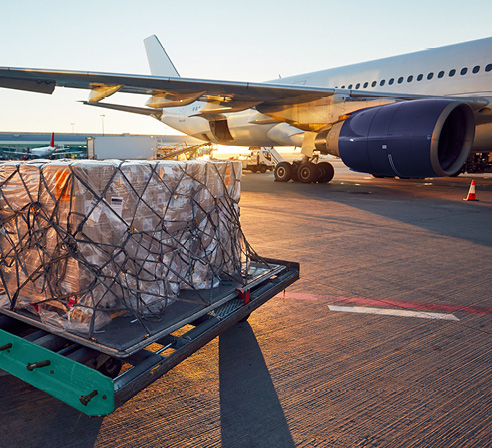
Because reefer capacity is limited, rates can be high during strong export seasons. However, several proven strategies help reduce cost:
Cost-Control Strategies
- Book 2–3 weeks in advance to avoid equipment shortages
- Avoid peak weeks (Golden Week, year-end)
- Load full containers instead of split orders
- Choose direct routes to reduce delays and monitoring fees
- Plan safety stock to avoid urgent air freight
Additionally, consistent shipment volume enables contract negotiations for better reefer pricing.
8. What Documents Are Required for Shipping Electronics from China to Netherlands?
Electronics shipping requires precise paperwork to meet customs regulations and ensure compliant import.
Customs Documents Checklist
| Document | Purpose |
|---|---|
| Commercial Invoice | Declares value and transaction details |
| Packing List | Specifies cargo weight, dimensions, and packaging |
| Bill of Lading | Transport contract and ownership proof |
| CE Certification | Required for EU electronics compliance |
| HS Codes Declaration | Determines customs duty category |
| Battery Certificate (if applicable) | Required for lithium battery electronics |
| Insurance Policy | Covers risks during transit |
Failure to provide accurate documentation may lead to customs delays or inspections.
9. What Are the Pros and Cons of Using Reefer FCL for Electronics Shipping?
Reefer FCL provides strong environmental protection, but it comes with additional costs and operational requirements.
Pros and Cons Table
| Pros | Cons |
|---|---|
| Humidity control | Higher freight cost |
| Protection from condensation | Limited equipment availability |
| Stable temperature | Monitoring fees apply |
| Reduced damage risk | Requires advance booking |
| Ideal for sensitive electronics | Power dependency at terminals |
Despite the cost, most high-value electronics shippers see lower total losses compared to using dry containers.
10. What Packaging Best Practices Should Be Followed for Electronics in Reefer FCL?
Proper packaging enhances product protection even when using reefer containers. Electronics require a combination of anti-static and moisture-control materials.
Recommended Packaging Steps
- Use anti-static ESD bags
- Add desiccants (silica gel) inside each carton
- Seal cartons with moisture-resistant tape
- Use foam or honeycomb cushioning
- Use pallet stretch wrap with ventilation holes
- Place humidity indicator cards on sensitive devices
- Avoid placing heavy electronics on top layers
Moreover, evenly distributing cargo improves airflow inside the reefer container.
Conclusion
Understanding the Reefer FCL freight rate for electronics from China to Netherlands allows importers to protect valuable goods, manage logistics budgets, and maintain supply chain continuity. Although reefer shipping costs more than traditional dry containers, the benefits—such as humidity control, condensation prevention, and improved cargo safety—far outweigh the additional expense for sensitive electronics.
By booking early, preparing correct documentation, and choosing experienced reefer logistics partners, shippers can ensure smooth delivery, minimize downtime, and safeguard product quality.
FAQ
1. Do all types of electronics require reefer FCL shipping?
Not all electronics require reefer shipping, but high-value, moisture-sensitive, or precision components benefit greatly from controlled humidity and stable temperature to avoid damage.
2. How early should I book a reefer container for electronics?
Booking two to three weeks in advance ensures availability, prevents seasonal shortages, and helps reduce unexpected rate increases on China–Netherlands routes.
3. Are lithium battery electronics allowed in reefer FCL?
Yes, but lithium batteries must meet safety certification standards. Shippers must provide MSDS and battery test reports to comply with EU import regulations.
4. What humidity level is recommended for electronics shipping?
A humidity range of 45–55% is ideal for most electronics, minimizing risks of corrosion, oxidation, and PCB damage during long ocean journeys.
5. Does reefer FCL shipping increase transit time?
Transit time is similar to dry FCL, but reefer shipments may face slight delays due to equipment allocation and required monitoring at terminals.