

- By ayla tj
- November 28, 2025
- Logistics Guide
Shipping lighting products—such as LED bulbs, fixtures, smart lighting systems, and commercial lighting units—requires a precise logistics plan. Therefore, understanding the 20GP FCL booking process for lighting from China to Sweden is essential for importers who want predictable freight costs, stable supply chains, and on-time deliveries. Many buyers struggle with fluctuating shipping rates, booking delays, and complex customs rules, yet a structured process helps reduce mistakes while improving efficiency.
This guide explains each step of the booking process, from rate inquiry to container loading, documentation preparation, and customs clearance, while offering practical tips to optimize lighting shipments.
1. What Factors Influence the 20GP FCL Booking Process for Lighting from China to Sweden?

The booking procedure depends heavily on several variables that affect equipment availability, shipping schedules, and final报价. Moreover, the type of lighting products influences packing, documentation, and customs requirements.
Key influencing factors include:
- Carrier schedule and space availability
- Peak season levels (especially Q3–Q4 for lighting exports)
- Type of lighting (LED, fixtures, commercial panels, etc.)
- Inland transport distance to the port
- Customs and documentation requirements
- Container allocation rules
- Shipping costs and fuel surcharges
Because 20GP containers are widely used for lighting shipments, demand often exceeds supply during export peaks. Therefore, early booking is essential.
2. How Does a 20GP Container Compare with Other Container Types for Lighting Shipments?
Lighting cargo varies from fragile LED chips to large industrial lamps, so choosing the correct container type matters. Although many lighting shippers prefer 20GP FCL, it’s not the only option.
Container Comparison Table
| Container Type | Capacity | Best For | Advantages | Limitations |
|---|---|---|---|---|
| 20GP FCL | 28–30 CBM | Standard lighting goods | Lower cost, efficient loading | Limited height, not ideal for oversized lighting |
| 40GP FCL | 55–58 CBM | Bulk lighting shipments | Larger capacity | Higher total cost |
| 40HQ FCL | 65–68 CBM | Large cartons, commercial lighting | Best for high-volume orders | Can be more expensive |
Because lighting cartons are usually lightweight but bulky, some importers choose 40HQ for maximum capacity. However, the 20GP FCL booking process remains the most cost-efficient for small and medium-size orders.
3. What Are the Steps in the 20GP FCL Booking Process for Lighting from China to Sweden?
The booking process can be broken into several structured steps to ensure smooth operations.
Step-by-Step 20GP FCL Booking Workflow
- Collect shipment information (cargo name, volume, weight, loading address)
- Request freight rates from forwarders
- Confirm routing and transit time
- Place booking with preferred carrier or forwarder
- Receive container release and SI (Shipping Instruction)
- Load cargo at factory
- Send VGM (Verified Gross Mass)
- Submit documentation
- Customs clearance
- Container departs China port
- Arrival and import customs in Sweden
The process is straightforward, but delays occur when documents are incomplete or loading is not scheduled efficiently.
What are you waiting for?
Contact chinatopfreight for a fast, free quote.
Are you ready to book?
Access live instant freight quotes
4. How Much Does a 20GP FCL Cost When Shipping Lighting to Sweden?
Freight rates vary weekly due to global market volatility, fuel cost adjustments, and capacity changes. Lighting exporters should monitor price cycles to secure the best timing.
Estimated 20GP FCL Cost for Lighting (China → Sweden)
| China Port | Sweden Port | Estimated 20GP FCL Rate (USD) |
|---|---|---|
| Shanghai | Gothenburg | $1,850 – $2,400 |
| Ningbo | Gothenburg | $1,800 – $2,350 |
| Shenzhen/Yantian | Gothenburg | $1,950 – $2,500 |
| Qingdao | Gothenburg | $1,900 – $2,450 |
Rates exclude local charges at both origin and destination. Additionally, lighting classified as electronic components may require extra inspection fees depending on HS codes.
5. How Long Is the Transit Time for 20GP FCL Lighting Shipments from China to Sweden?
Transit time affects delivery planning, inventory control, and the ability to meet project deadlines—especially for commercial lighting installations.
Transit Time Table (China → Sweden)
| China Port | Sweden Port | Estimated Transit Time |
|---|---|---|
| Shanghai | Gothenburg | 32–38 days |
| Ningbo | Gothenburg | 31–37 days |
| Shenzhen/Yantian | Gothenburg | 34–40 days |
| Qingdao | Gothenburg | 33–39 days |
Transit times vary by carrier routing, transshipment stops, and peak season congestion.
6. What Documents Are Required for Shipping Lighting Products from China to Sweden?
Lighting products have strict certification and customs requirements in Europe. Additionally, incorrect documentation may cause delays, inspections, or fines.
Customs Documents Checklist
| Document | Purpose |
|---|---|
| Commercial Invoice | Declares transaction and product value |
| Packing List | Details cartons, dimensions, and weight |
| Bill of Lading | Evidence of contract of carriage |
| CE Certification | Required for EU-market lighting products |
| HS Code Declaration | Ensures correct duty classification |
| VGM Certificate | Confirms verified container weight |
| Certificate of Origin | Enables preferential trade benefits |
Lighting products often require CE markings, RoHS compliance, and test reports depending on product type.
7. How Should Lighting Products Be Packed for 20GP FCL Shipping?
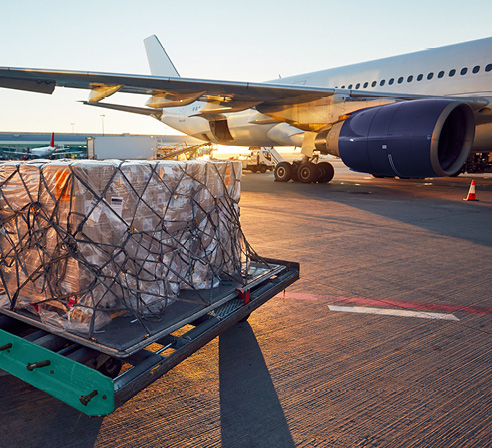
Lighting is fragile by nature, so packaging quality directly affects cargo safety. Moreover, poor handling increases claims, delays, and losses.
Recommended Packaging for Lighting Goods
- Double-walled export-grade cartons
- Pearl cotton or EVA foam lining
- Honeycomb pallets for stability
- Anti-shock corner protectors
- Desiccant bags in each carton
- Stretch wrap and reinforced straps
- Proper stacking to avoid pressure damage
Lighting with glass or LED chips requires extra shock-absorbing materials.
8. What Are the Pros and Cons of Choosing FCL vs LCL for Lighting Shipments?
Importers often debate whether a 20GP FCL or LCL shipment is more cost-effective.
FCL vs LCL Comparison
| Factor | 20GP FCL | LCL |
|---|---|---|
| Cost Efficiency | Higher for medium/large orders | Better for small shipments |
| Cargo Safety | High | Medium |
| Handling | Minimal handling | Multiple touchpoints |
| Risk of Damage | Low | Higher |
| Clearance Speed | Faster | Possible delays |
| Transit Time | More predictable | Slower due to consolidation |
Lighting exporters prefer FCL because reduced handling decreases the risk of glass breakage.
9. What Common Mistakes Should Importers Avoid During the Booking Process?
Many delays in the 20GP FCL booking process result from preventable mistakes.
Common Booking Errors
- Incorrect HS codes for lighting products
- Failing to provide VGM before deadline
- Delayed loading appointment
- Not checking carton dimensions
- Missing CE certificates
- Incorrect consignee or notify details
- Late payment of port charges
Resolving these issues proactively ensures a seamless booking experience.
10. How Can Importers Optimize the Lighting Supply Chain to Sweden?
Lighting buyers—especially wholesalers, project contractors, and e-commerce brands—can streamline operations with better planning.
Optimization Tips
- Book containers early during Q3/Q4
- Select suppliers near major seaports
- Use automated tracking systems
- Standardize carton sizes to maximize container filling
- Consider buffer stock for winter demand
- Verify compliance for smart lighting with EU regulations
- Build long-term freight agreements for stable pricing
Additionally, using a single freight forwarder for multi-supplier consolidation reduces overall transport costs.
Conclusion
Understanding the 20GP FCL booking process for lighting from China to Sweden enables importers to reduce risk, control shipping costs, and streamline supply chain operations. Although lighting products are fragile and require careful packaging, a structured booking workflow ensures faster customs clearance, predictable transit times, and improved delivery performance. By preparing the right documents, booking early, and working with experienced freight forwarders, lighting importers can secure stable space, avoid unnecessary delays, and maintain competitive delivery schedules.
If you need assistance with upcoming shipments, a professional logistics partner can guide you through each step—from booking to final delivery—so your lighting cargo arrives safely and efficiently.
FAQ
1. How early should I book a 20GP FCL for lighting shipments?
Booking two to three weeks early ensures equipment availability, reduces cost fluctuations, and helps importers secure stable sailing schedules during busy lighting export seasons.
2. Are LED lighting products classified as dangerous goods?
Most LED lighting is not considered dangerous goods, although items containing built-in batteries require special documentation and additional customs compliance procedures.
3. What certifications are required for lighting entering Sweden?
CE certification, RoHS test reports, and safety compliance documents are required for lighting products sold within the EU market, including Sweden.
4. Does lighting cargo require special packaging for sea freight?
Yes. Fragile lighting items need protective foam, reinforced cartons, and stable palletization to prevent breakage during container loading and ocean transit.
5. Is FCL better than LCL for fragile lighting cargo?
Yes. FCL reduces handling, lowers damage risks, and provides faster clearance, making it ideal for sensitive, fragile, or bulky lighting shipments.