

- By ayla tj
- November 28, 2025
- Logistics Guide
Shipping textile products—from cotton fabrics and apparel to home textiles and yarn—requires careful planning to prevent delays and avoid costly port charges. Therefore, understanding the Reefer FCL demurrage prevention for textiles from China to Italy is essential for importers who want smooth logistics, predictable supply chains, and complete protection for moisture-sensitive goods. Because reefer shipments involve temperature control, power connection, and strict handling rules, demurrage risks are higher if procedures are not managed properly.
This article provides a full guide to preventing demurrage fees, optimizing reefer operations, and ensuring stable, damage-free textile shipments to Italy’s major ports.
1. What Causes Demurrage in Reefer FCL Shipments for Textiles?
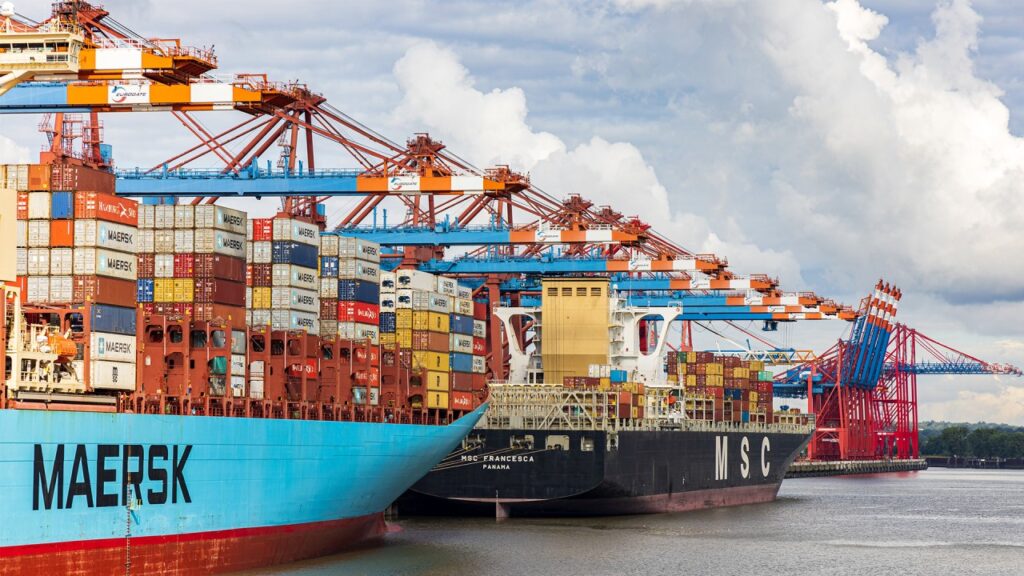
Demurrage occurs when a reefer container stays beyond the free time allowed at the destination port. Moreover, textile shipments often face additional risks due to:
- Customs document mismatches
- Reefer plug-in monitoring delays
- Congestion at Italian ports
- Incomplete textile declarations
- Late pickup arrangements
- Lack of coordination between consignee and warehouse
Because reefer containers consume electricity, demurrage and detention costs escalate faster than dry containers.
2. Why Are Textiles More Vulnerable to Demurrage Risks?
Textiles are fragile in terms of moisture control. Therefore, delays not only increase costs but also harm product quality.
Reasons Textiles Face Higher Demurrage Risks
- Fabric absorbs moisture quickly
- Mold can develop within 24–48 hours
- Low airflow in containers accelerates odor buildup
- Customs inspections take longer for textile HS codes
- Some textile types require origin verification
Given these factors, demurrage prevention is a key component of reefer shipping strategy.
3. What Is the Recommended Reefer FCL Route for Textiles from China to Italy?
Selecting the right route is the first step in demurrage prevention.
Route Comparison Table
| Route | China Port | Italy Port | Characteristics | Demurrage Risk |
|---|---|---|---|---|
| Direct Asia–Med | Shanghai, Ningbo | Genoa | Faster transit, fewer stops | Low |
| South China → Med | Shenzhen, Guangzhou | Genoa or La Spezia | Stable reefer capacity | Low–Medium |
| Transshipment via Singapore | Any port | Genoa / Trieste | Longer routing | Medium |
| Transshipment via Middle East | Any port | Genoa | Equipment availability | Medium–High |
Direct services usually provide cleaner schedules and reduce reefer handling risks.
4. How Long Is the Reefer FCL Transit Time from China to Italy?
Transit time affects demurrage because long delays increase the chance of late arrival documentation issues.
Transit Time Table (China → Italy)
| China Port | Italy Port | Transit Time |
|---|---|---|
| Shanghai | Genoa | 27–34 days |
| Ningbo | Genoa | 26–33 days |
| Shenzhen/Yantian | Genoa | 29–36 days |
| Qingdao | Trieste | 30–38 days |
Shorter, more reliable routes reduce the risk of last-minute cargo arrivals that trigger demurrage.
5. How Can Importers Prevent Reefer FCL Demurrage for Textile Shipments?
Effective demurrage prevention requires coordination before departure and immediately upon arrival.
Key Demurrage Prevention Strategies
- Submit all import documents before vessel arrival
- Pre-clear customs whenever possible
- Schedule early pickup from Italian ports
- Ensure correct HS codes for textile products
- Pre-pay duties/taxes to avoid clearance delays
- Work with experienced reefer forwarders
- Track cargo continuously to anticipate changes
- Allocate sufficient warehouse receiving capacity
Additionally, textile consignees should register for port appointment systems to reduce queueing time.
6. What Documentation Is Required to Prevent Customs-Related Delays in Italy?
Textile imports must comply with EU customs regulations. Missing or incorrect documents commonly cause demurrage.
Customs Documents Checklist
| Document | Purpose |
|---|---|
| Commercial Invoice | Declares value and textile type |
| Packing List | Lists materials, measurements, and weights |
| Bill of Lading | Required for container release |
| HS Code Declaration | Determines duties and classification |
| Certificate of Origin | Identifies preferential trade status |
| Textile Declaration (when required) | For apparel and fabric goods |
| Insurance Certificate | Covers humidity or mold damage |
| Importer Identification (EORI) | Mandatory for EU imports |
Italy strictly enforces EU textile rules, so complete documentation is essential.
7. How Do Storage Practices Affect Demurrage and Cargo Safety?
Even after arrival, reefer storage is costly. Therefore, efficient warehouse planning is critical.
Impact of Storage Practices
- Delayed warehouse confirmation increases plug-in fees
- Insufficient reefer outlets at terminals slow processing
- Lack of forklift slots delays container pickup
- Weekend or holiday arrivals may incur extra charges
Good scheduling prevents the container from remaining idle at the port.
8. What Additional Costs Should Importers Expect When Shipping Textiles in a Reefer FCL?
Reefer shipments involve more operational fees than dry containers.
Reefer-Related Cost Table
| Cost Type | Description | Estimated Amount |
|---|---|---|
| Reefer Plug-In Fee | Power supply at terminals | €50–€100/day |
| Monitoring Fee | Reefer temperature checks | €40–€80 |
| Demurrage | Late pickup charges | €100–€180/day |
| Detention | Late container return | €80–€150/day |
| THC | Terminal handling | €200–€350 |
Since textiles must remain dry, avoiding storage time at ports saves both money and product integrity.
Are you ready to book?
Access live instant freight quotes
9. What Are the Pros and Cons of Reefer FCL for Textile Shipments?
Importers choose reefer containers for humidity control but must manage the operational challenges.
Pros and Cons Table
| Pros | Cons |
|---|---|
| Maintains humidity control | More expensive |
| Reduces mold and odor risk | Higher demurrage potential |
| Suitable for cotton and wool | Requires early booking |
| Minimizes cargo claims | Complex documentation |
| Stable airflow protection | Extra monitoring fees |
Despite the disadvantages, reefer containers offer significant quality protection benefits.
10. How Should Textiles Be Packed for Reefer FCL Shipping to Italy?
Proper packaging reduces the chance of damage during ocean transit, especially in controlled-environment containers.
Best Packaging Practices
- Use sealed polybags for each textile unit
- Insert desiccant packets in every carton
- Wrap pallets with breathable stretch film
- Utilize fumigated pallets for EU import compliance
- Maintain pallet gaps for airflow
- Avoid over-stacking or crushing carton loads
Additionally, textile cargo should be loaded in a way that prevents blocking reefer vents.
Conclusion
Understanding the Reefer FCL demurrage prevention for textiles from China to Italy helps importers control costs, safeguard textile quality, and maintain a reliable supply chain. Although reefer containers provide superior humidity control and cargo protection, they also come with higher demurrage risks if not managed effectively. Therefore, early booking, complete documentation, proper packaging, and strong coordination with forwarders are essential for preventing delays at Italian ports.
FAQ
1. What are the main causes of demurrage for reefer textile shipments in Italy?
Demurrage typically results from incomplete documents, customs holds, late trucking arrangements, and port congestion, especially during seasonal textile demand surges.
2. How early should I submit documents to avoid demurrage?
It’s best to submit all documents—including textile declarations and HS codes—before the vessel arrives so customs clearance can begin immediately without delay.
3. Do all textiles benefit from reefer humidity control?
Most do, especially cotton, wool, silk, and premium apparel fabrics. Lower-risk textiles still benefit from controlled moisture levels to avoid odor and mildew.
4. Are demurrage fees higher for reefer containers?
Yes. Reefer units consume electricity and occupy specialized plugs, so daily demurrage and detention charges are significantly higher than dry containers.
5. Can I pre-clear customs in Italy to avoid reefer delays?
Yes. Pre-clearing customs is one of the best ways to minimize demurrage risk, allowing immediate pickup once the reefer container is discharged.