

- By kelly
- November 28, 2025
- Logistics Guide
Reefer FCL Space Availability for Machinery from China to Denmark
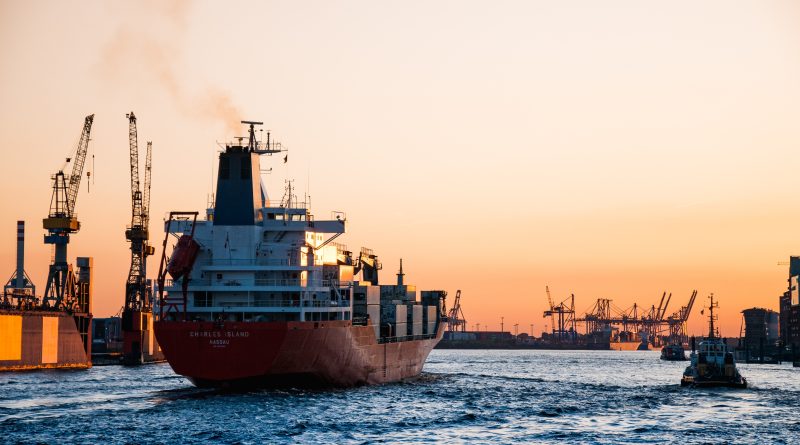
Securing cold‑controlled containers is becoming increasingly challenging for global importers. As demand rises for temperature‑sensitive freight, Reefer FCL space availability for machinery from China to Denmark has become a major concern, especially for businesses shipping precision tools, industrial components, and sensitive mechanical equipment. Although machinery is not always perishable, many high‑value units require stable temperature and humidity control during long-haul shipping. Therefore, understanding availability trends, alternative solutions, and booking strategies is essential for maintaining a predictable supply chain.
1. Why Do Machinery Shipments Require Reefer FCL Space?
Although reefers are typically used for perishables, machinery often requires temperature and humidity protection to avoid:
- Condensation damage
- Rust and corrosion
- Electronic panel malfunction
- Sensor failure
- Structural warping during extreme heat or cold
Moreover, advanced CNC machines, medical machinery, semiconductor equipment, and precision robotics rely on temperature stabilization during long ocean transits.
2. What Is the Current Reefer FCL Space Availability Trend from China to Denmark?
Global reefer demand has increased significantly due to:
- Growing pharmaceutical and food exports
- Equipment imbalance at major ports
- Limited reefer plug‑ins at terminals
- Seasonal congestion in Asia and Northern Europe
- Vessel schedule disruptions
As a result, shippers face reduced space, especially during Q2 and Q4 peak months. Therefore, early booking and flexible routing are essential to secure space on time.
3. What Is the Transit Time for Reefer FCL Machinery Shipments to Denmark?
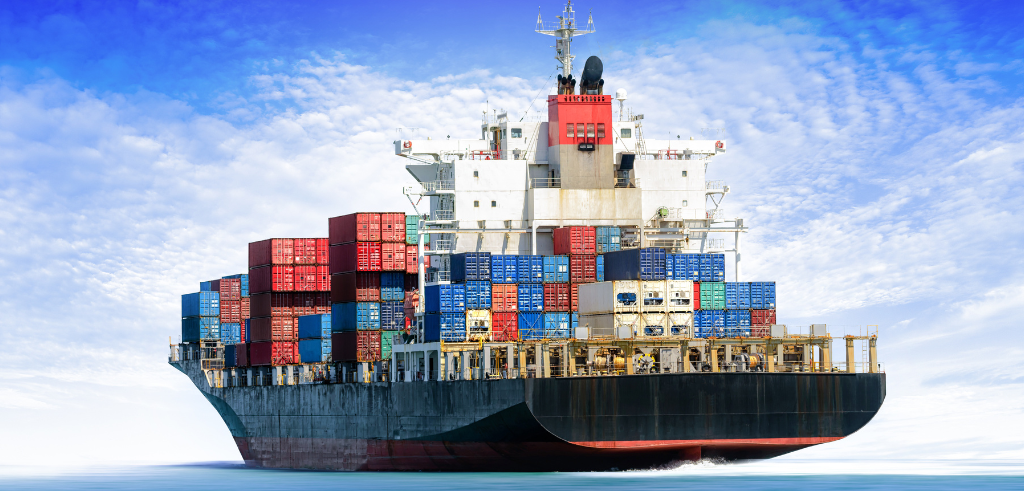
Transit time varies depending on port of origin, carrier, and transshipment hub.
Transit Time Table: China → Denmark
| China Port | Denmark Port | Estimated Transit Time | Routing Notes |
|---|---|---|---|
| Shanghai | Aarhus | 33–40 days | Via Hamburg/Rotterdam |
| Shenzhen (Yantian) | Copenhagen | 35–42 days | Frequent transshipments |
| Ningbo | Aarhus | 32–38 days | Good reefer allocation |
| Qingdao | Fredericia | 36–43 days | Busan or Antwerp hub |
Transit time excludes customs clearance and inland trucking.
4. What Factors Influence Reefer FCL Space Availability?
Several factors directly affect access to reefer equipment:
4.1 Seasonal Demand
Machinery exporters from China face shortages during:
- Chinese New Year
- European Christmas season
- Q4 retail peak
- Summer agricultural export surge
4.2 Global Equipment Imbalance
Europe often receives more reefer containers than it exports, creating shortages in Chinese ports.
4.3 Terminal Plug-in Limitations
Too many reefers in one terminal increase dwell time, slowing container turnover.
4.4 Machinery Specifications
Oversized machinery may require:
- Premium reefer units
- Flat Rack + reefer hybrids
- Extra ventilation
- Shock-resistant securing
These custom needs reduce available equipment.
5. How Much Does Reefer FCL Shipping Cost for Machinery?
Costs vary based on market conditions, carrier availability, and cargo value.
Estimated Shipping Cost (Reefer 40’ FCL)
| Cost Component | Estimated Price (USD) |
|---|---|
| Base Ocean Freight | $5,500 – $7,100 |
| Reefer Plug‑In Fees | $300 – $650 |
| Handling + Monitoring | $150 – $280 |
| Documentation Charges | $50 – $120 |
| Insurance (Recommended) | 0.3–0.6% cargo value |
Machinery that includes electronics or heat‑sensitive materials may incur additional monitoring fees.
6. What Documents Are Required for Machinery Exports to Denmark?
A complete document package improves clearance speed and reduces the risk of port delays.
Customs Document Checklist
| Document | Purpose |
|---|---|
| Commercial Invoice | Declares cargo value and buyer details |
| Packing List | Lists machinery specifications |
| Bill of Lading | Confirms shipment details |
| HS Code Declaration | Determines duty and compliance |
| CE/ISO Certificates | Safety compliance for machinery |
| Temperature Logs | Required for temperature-sensitive cargo |
| Insurance Policy | Confirms risk coverage |
EU importers should also ensure compliance with RoHS and EU Machinery Directive where applicable.
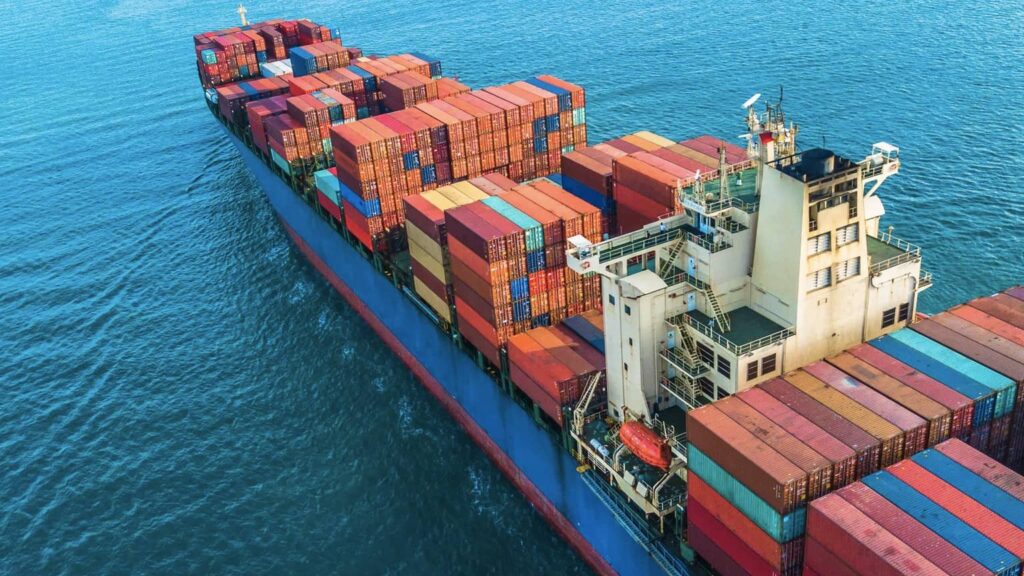
7. What Are the Best Solutions to Increase Reefer FCL Space Availability?
7.1 Book Early
Reserve space 3–5 weeks before the vessel’s cut-off date, especially for Q2/Q4 shipments.
7.2 Use Flexible Ports
Shippers who can switch between:
- Shanghai
- Ningbo
- Yantian
have higher success in securing space.
7.3 Multicarrier Booking Strategy
Booking with two or more carriers improves approval chances.
7.4 Use Reefer LCL for Smaller Machinery
Shared reefer services reduce cost and increase availability.
7.5 Consider Alternative Modes
Rail and air cargo can supplement reefer shortages.
8. How Do Other Shipping Methods Compare for Machinery Transport?
Shipping Method Comparison
| Mode | Cost | Transit Time | Advantages | Disadvantages |
|---|---|---|---|---|
| Reefer FCL | Medium‑High | 33–43 days | Ideal for temperature control | Space shortages |
| Dry FCL + Data Logger | Medium | 32–41 days | Good when moderate temperature is acceptable | No active cooling |
| Rail Freight | Medium | 20–28 days | Faster than sea | Limited reefer options |
| Air Freight | High | 3–7 days | Best for urgent machinery | Very expensive |
| Reefer LCL | Medium‑High | 35–45 days | Cost-effective for small batches | Longer handling time |
These options allow importers to balance urgency, cost, and safety.
9. Should Machinery Shipments Use Reefer Monitoring Technology?
Yes. For high-value machinery, temperature deviations can cause:
- Condensation inside control cabinets
- Electronic circuit failure
- Material expansion or contraction
Modern reefer containers offer:
- Real‑time GPS tracking
- Temperature history logs
- Automatic alerts
- Remote parameter adjustments
Therefore, monitoring enhances visibility and reduces risk.
10. How Can Forwarders Improve Reefer FCL Space Availability?
Professional freight forwarders provide advantages such as:
- Pre-reserved reefer allocations
- Guaranteed Space Agreements (GSAs)
- Route optimization
- Alternative carrier options
- Cold‑chain data reporting
- End‑to‑end customs support
Forwarders like ChinaTopFreight offer specialized reefer booking channels and long‑term carrier agreements, ensuring improved availability even during tight market conditions.
📦Get a Free Quote
For importers needing secure and consistent Reefer FCL space availability for machinery from China to Denmark, our team is ready to help you check allocations, explore alternatives, and optimize your cold‑chain shipping strategy. Contact ChinaTopFreight to secure the best schedules, equipment, and rates for your machinery shipments.
❓ Frequently Asked Questions
1. Why do some machinery shipments need reefer containers?
Because sensitive machinery parts require stable temperature and humidity to prevent corrosion or electronic failure.
2. When is reefer space hardest to secure?
During peak seasons like Chinese New Year, summer exports, and European retail shipping periods.
3. Can insulated dry containers replace reefers?
Yes, for less sensitive machinery, but they lack active cooling and offer limited protection.
4. Is Reefer LCL suitable for machinery?
Yes, for small shipments, though transit time is longer due to consolidation steps.
5. Do carriers provide reefer temperature monitoring?
Most major carriers offer real‑time temperature and GPS tracking for reefer shipments.
Conclusion
Managing Reefer FCL space availability for machinery from China to Denmark requires planning, flexibility, and the right logistics partner. With rising demand, limited container supply, and complex equipment requirements, securing refrigerated space can be challenging. However, through early booking, alternative routing, multi-carrier strategies, and modern reefer monitoring solutions, importers can maintain reliable and efficient cold‑chain machinery shipments. For stable capacity and expert handling, partnering with ChinaTopFreight ensures that your machinery reaches Denmark safely, on time, and under optimal conditions.