

- By kelly
- November 28, 2025
- Logistics Guide
40HQ FCL Booking Process for Hardware Tools from China to Netherlands

Shipping hardware tools in bulk from China to the Netherlands demands efficiency, reliability, and cost transparency. The 40HQ FCL booking process for hardware tools from China to Netherlands offers just that. With container shortages, customs compliance, and logistics planning challenges, businesses need a clear process to follow. This guide helps you navigate every step smoothly and strategically.
1. Why Choose 40HQ FCL for Hardware Tools Shipping?
A 40HQ (High Cube) container provides more space than a standard 40GP, which is crucial when shipping bulky and heavy hardware tools.
Moreover, FCL (Full Container Load) means the entire container is dedicated to your shipment, minimizing risks of damage or delay.
Key Benefits:
- Maximizes space utilization
- Reduces unit shipping cost
- Provides better protection for valuable equipment
- Ensures faster customs clearance
2. How Does the 40HQ FCL Booking Process Begin?
To begin the 40HQ FCL booking process for hardware tools from China to Netherlands, shippers must:
- Finalize product dimensions and weight
- Confirm cargo readiness with the supplier
- Choose the right port of loading (e.g., Shenzhen, Ningbo, Shanghai)
Once details are clear, the forwarder books the container space with the carrier. Availability can be tight, so booking in advance—7–10 days before shipping—is strongly advised.
3. What Are the Steps to Book a 40HQ FCL Container?
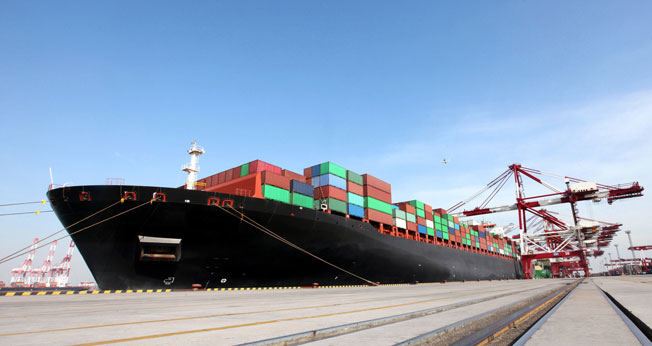
Here is a step-by-step summary of the booking process:
- Submit shipment details to your freight forwarder
- Choose carrier and sailing schedule based on your delivery timeline
- Receive and confirm the booking (Booking Note)
- Arrange cargo pickup or delivery to port warehouse
- Complete export customs clearance
- Load cargo and seal container
- Issue Bill of Lading and related documents
4. Which Ports Are Best for Shipping to the Netherlands?
The major Chinese ports and their estimated transit times to Rotterdam are as follows:
Estimated Transit Times to Rotterdam
| China Port | Transit Time to Rotterdam |
|---|---|
| Shanghai | 28–34 days |
| Shenzhen/Yantian | 30–36 days |
| Ningbo | 27–33 days |
| Qingdao | 31–38 days |
Choosing the right port depends on supplier location and vessel availability.
5. What Are the Costs Involved in 40HQ FCL Shipping?
Costs vary depending on seasonality, fuel surcharges, and route. However, the cost breakdown is usually as follows:
Typical 40HQ FCL Cost Breakdown
| Cost Component | Estimated Range (USD) |
|---|---|
| Ocean Freight | $1,200 – $2,200 |
| THC & Local Charges (CN) | $200 – $300 |
| Documentation Fee | $50 – $100 |
| Destination Charges (NL) | $400 – $600 |
| Customs Clearance & VAT | Varies per product |
Note: These are general estimates. Always request a formal quote from a professional forwarder.
6. What Documents Are Needed for Shipping Hardware Tools?
Shipping to the Netherlands requires accurate documentation. Below is a checklist:
Customs Documentation Checklist
- Commercial Invoice
- Packing List
- Bill of Lading (or Sea Waybill)
- Export Declaration (China)
- Importer of Record (IOR) number (Netherlands)
- CE Certification (for applicable tools)
- Insurance Policy (if applicable)
Missing or incorrect documents can delay clearance and incur penalties.
7. How to Handle Customs and Compliance Regulations?
EU customs compliance requires detailed HS codes, declared values, and CE marking where applicable. Additionally, customs brokers must be appointed in advance to avoid bottlenecks.
Tips:
- Declare accurate product descriptions and value
- Ensure packaging labels match invoice contents
- Pre-clear with Dutch customs if possible
8. How to Optimize Delivery Schedules from China to the Netherlands?
Efficient delivery depends on aligning production schedules with vessel ETD (Estimated Time of Departure). Therefore, consider the following:
- Work with a forwarder that offers flexible shipping windows
- Use GPS tracking for real-time container updates
- Book during off-peak seasons to avoid delays
- Avoid last-minute customs submissions
9. Do Hardware Tools Require Insurance for FCL Shipping?
Though not mandatory, marine cargo insurance is strongly recommended, especially for high-value tools. Policies can cover damage, loss, or theft during transit.
Types of Insurance:
- All Risk – Comprehensive protection
- FPA (Free of Particular Average) – Limited protection, excludes minor damages
- Named Perils – Specific risks only (fire, theft, etc.)
10. What Are the Pros and Cons of FCL vs Other Shipping Methods?
FCL vs Other Shipping Methods
| Method | Pros | Cons |
|---|---|---|
| FCL (40HQ) | Full control, cost-effective for bulk, faster transit | Requires large volume |
| LCL | Flexible volume, good for small shipments | Higher per-unit cost, consolidation delays |
| Air Freight | Fastest delivery, great for urgent cargo | Expensive, limited cargo size |
| Rail Freight | Mid-speed, stable pricing | Limited network, occasional delays |
For hardware tools, 40HQ FCL remains the most reliable and scalable option.
📦Get a Free Quote
Looking to simplify your 40HQ FCL booking process for hardware tools from China to Netherlands? Our team at ChinaTopFreight offers expert guidance, competitive rates, and end-to-end support to streamline your shipping experience. Reach out today for a fast quote and tailored logistics plan.
❓ Frequently Asked Questions
1. What is the max capacity of a 40HQ container?
Up to 76 cubic meters or 22–26 tons, depending on cargo weight limits and destination rules.
2. How early should I book a 40HQ FCL?
At least 7–10 days in advance to secure space, especially during peak season.
3. Do I need CE certification for hardware tools?
Yes, if the tools are regulated under EU machinery or safety standards.
4. Can I ship different types of tools in one container?
Yes, as long as all items are declared and compatible in terms of packaging and safety.
5. What incoterms are best for FCL to the Netherlands?
FOB and CIF are commonly used; DDP is suitable if you want all-inclusive service.
Conclusion
Managing the 40HQ FCL booking process for hardware tools from China to Netherlands doesn’t have to be complex. With the right preparation, documentation, and logistics partner, you can minimize delays and reduce costs. By understanding container booking, customs compliance, and transit strategies, you’re well-positioned to succeed in cross-border trade.