

- By kelly
- December 1, 2025
- Logistics Guide
Flat Rack FCL Booking Process for Machinery from China to Belgium
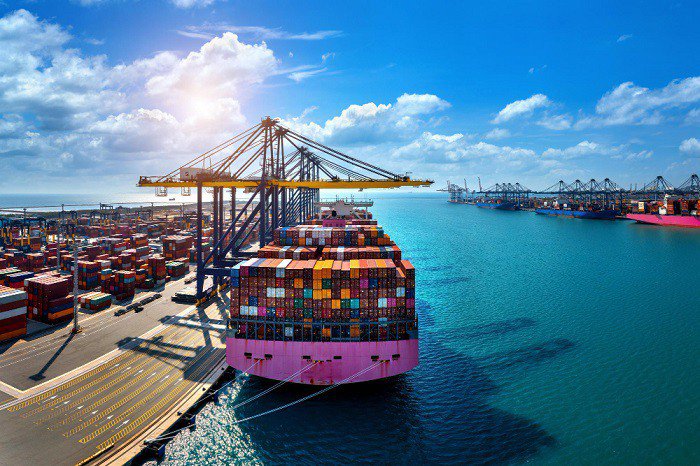
Shipping heavy machinery internationally requires precision, preparation, and the right container type. For oversized or irregularly shaped equipment, the Flat Rack FCL booking process for machinery from China to Belgium is the preferred method among industrial importers. However, it involves specific steps that differ from standard FCL shipments.
In this guide, we’ll break down everything—choosing the correct Flat Rack, how to book, shipping timelines, customs documentation, pricing, and how to avoid costly delays.
1. What Is a Flat Rack Container and Why Is It Used for Machinery?
Flat Rack containers are specially designed to handle large or irregular cargo that can’t fit in standard containers. This includes:
- Bulldozers, excavators, and generators
- Industrial processing equipment
- Machinery with odd dimensions or heavy weight
Flat Racks come in 20ft and 40ft sizes, but for machinery shipments to Belgium, the 40ft option is most commonly used due to higher capacity and compatibility with EU terminal infrastructure.
2. How Does the Flat Rack FCL Booking Process Work?
Booking Flat Rack FCL from China to Belgium involves several stages:
- Cargo Measurement: Precise weight, length, height, and width data are essential.
- Container Allocation: Request a Flat Rack from the carrier. Availability varies.
- Export Clearance: Documents such as packing lists and invoices must be submitted.
- Cargo Lashing & Securing: Machinery must be professionally fastened to meet safety standards.
- Shipping & Transit: Shipment is loaded, tracked, and routed to Belgium via Rotterdam or Antwerp.
3. What Documents Are Needed for Flat Rack FCL Machinery Shipping?
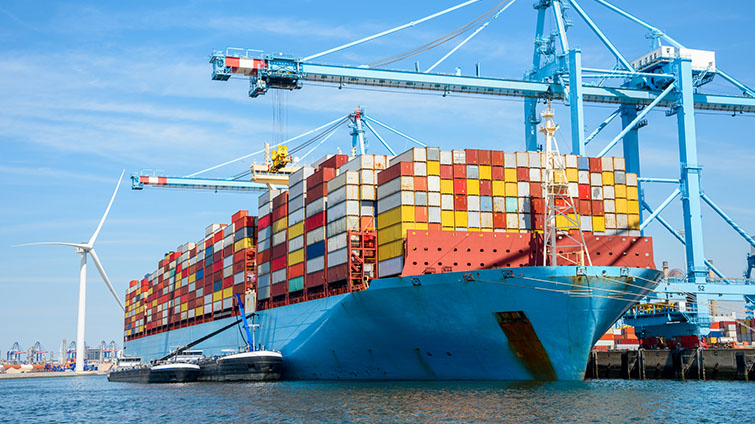
Here’s a handy checklist of the required documents for customs and port clearance:
Table: Required Documents for Machinery Import into Belgium
| Document | Purpose | Issued By |
|---|---|---|
| Commercial Invoice | Declares the value and description | Seller/Exporter |
| Packing List | Details packaging and measurements | Shipper |
| Bill of Lading (B/L) | Contract of carriage | Shipping Line or Forwarder |
| Certificate of Origin | Confirms origin of goods | Chamber of Commerce |
| CE Declaration of Conformity | Required for machinery entering the EU | Manufacturer |
| HS Code (8429/8431, etc.) | Customs classification | Declared by Shipper |
| Fumigation Certificate | If wooden packaging is used | Approved Fumigation Provider |
4. How Long Does It Take to Ship Machinery to Belgium?
Transit times can vary depending on the Chinese port of origin and Belgian port of arrival.
Table: Transit Times for Flat Rack FCL Machinery Shipments
| Origin Port (China) | Belgian Port | Transit Time (Days) | Notes |
|---|---|---|---|
| Shanghai | Antwerp | 30–35 days | Most stable route |
| Ningbo | Antwerp | 32–37 days | Efficient with fewer delays |
| Shenzhen (Yantian) | Antwerp | 33–38 days | Popular for southern factories |
| Qingdao | Antwerp | 35–40 days | Longer due to routing path |
Planning your delivery around these timelines helps avoid warehousing overflow or missed project deadlines.
5. What Are the Shipping Costs for Flat Rack FCL to Belgium?
Shipping rates for Flat Rack FCL vary based on:
- Equipment size and weight
- Port of loading
- Carrier availability
- Time of year (peak vs. off-season)
Estimated Cost Range (USD):
- 40FT Flat Rack (Shanghai to Antwerp): $4,800–$6,500
- Lashing and securing: $300–$800
- Customs clearance and on-carriage in Belgium: $600–$1,000
Rates fluctuate monthly, so booking in advance secures better pricing.
6. What Are the Pros and Cons of Using Flat Rack vs. Other Methods?
Let’s compare Flat Rack FCL with other logistics options:
Table: Freight Method Comparison
| Shipping Mode | Pros | Cons |
|---|---|---|
| Flat Rack FCL (Sea) | Ideal for heavy/oversized cargo, cost-efficient | Requires careful lashing, weather exposure |
| RO-RO Shipping | Simple roll-on/roll-off for mobile units | Limited to self-propelled machinery |
| Breakbulk | No container limits | Higher cost, limited availability |
| Air Freight | Fastest option | Prohibitively expensive for heavy cargo |
For large machinery, Flat Rack FCL remains the most cost-effective and scalable solution.
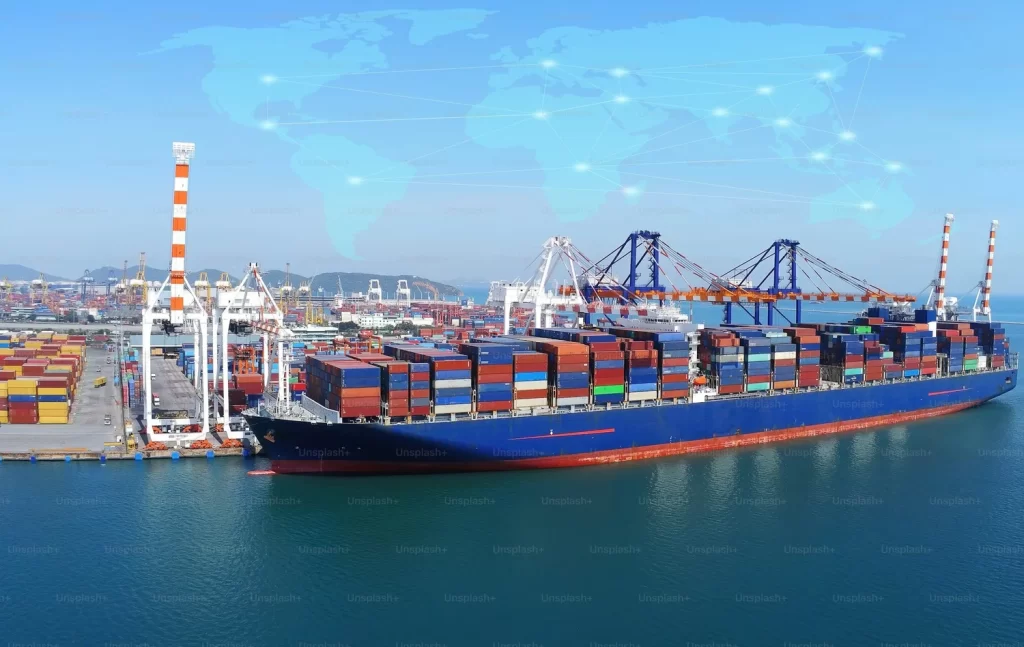
7. Can You Ship Disassembled Machinery to Save on Costs?
Yes, disassembling machinery can significantly reduce height and weight, which:
- Minimizes surcharge for oversize cargo
- Simplifies securing inside the container
- Reduces customs scrutiny
However, disassembly and reassembly should be done professionally to avoid operational risks after arrival in Belgium.
8. How Should Machinery Be Packed and Secured on a Flat Rack?
To comply with international shipping standards:
- Use steel chains or wire rope for securing
- Include wooden blocks and dunnage to prevent movement
- Weatherproof equipment with tarpaulins or shrink wrap
- Ensure balance to avoid tilting during crane lifts
Improper lashing can lead to cargo damage and penalties.
9. What Role Does a Freight Forwarder Play in the Flat Rack Booking Process?
A professional freight forwarder manages:
- Space booking and container allocation
- Machinery-specific lashing and packing
- Export documentation and HS code classification
- Route optimization from factory to Belgian port
- Tracking, insurance, and customs handling
Companies like ChinaTopFreight specialize in complex cargo like machinery—offering tailored solutions that save both time and money.
10. Do Customs or Port Authorities in Belgium Have Special Requirements?
Yes, Belgian customs are meticulous about safety, especially for machinery:
- CE markings and safety certificates are mandatory
- Correct HS codes must match invoices and B/L
- Random inspections may apply for high-value items
- Port of Antwerp has dedicated machinery terminals and heavy-lift gear
Clear, complete documentation ensures smooth clearance and delivery.
📦Get a Free Quote
When navigating the Flat Rack FCL booking process for machinery from China to Belgium, working with experienced freight professionals is key. Whether you’re shipping turbines, CNC machines, or entire production lines, the right planning guarantees timely, safe, and cost-efficient delivery. Let ChinaTopFreight help you coordinate every step, from factory pickup to customs clearance in Belgium.
❓ Frequently Asked Questions
1. How early should I book a Flat Rack for machinery shipping?
You should book at least 2–3 weeks in advance, especially during peak seasons, to secure Flat Rack container availability.
2. Can I insure Flat Rack shipments?
Yes, cargo insurance (ICC A) is recommended due to open-air exposure and machinery value. Your freight forwarder can assist.
3. Do all carriers accept oversized cargo?
No. Only specific carriers with Flat Rack capacity and special handling accept oversized machinery. Check during booking.
4. Is terminal handling in Belgium included in the freight rate?
Not always. Confirm whether DTHC (Destination Terminal Handling Charge) is included or billed separately.
5. Are there limits to how much weight a Flat Rack can carry?
Yes. Most 40FT Flat Racks support up to ~45,000 kg, but it also depends on crane limits at origin and destination ports.
Conclusion
The Flat Rack FCL booking process for machinery from China to Belgium is a highly technical but manageable operation when planned strategically. With correct documentation, optimal route selection, and proper cargo handling, your machinery arrives safely and on time. Moreover, working with trusted partners like ChinaTopFreight ensures you’re supported every step of the way—from booking to delivery.
For your next machinery shipment, optimize every aspect of logistics with expert support.