

- By kelly
- December 1, 2025
- Logistics Guide
40GP FCL Demurrage Prevention for Textiles from China to Italy

Managing textile shipments can be challenging, especially when unforeseen delays cause extra fees at destination ports. Because textiles are high-volume commodities, avoiding storage penalties is crucial. Therefore, understanding 40GP FCL demurrage prevention for textiles from China to Italy helps importers reduce risks, control shipping costs, and maintain predictable supply chains. This guide explains how to prevent demurrage, optimize transit times, and ensure smooth customs clearance.
1. What Causes Demurrage Charges for 40GP FCL Textile Shipments?
Demurrage fees occur when a container stays too long at the terminal after arrival. For textile shipments, delays often arise due to:
- Incorrect customs documents
- Late arrival of trucks
- Port congestion in Italy
- Miscommunication between consignee and forwarder
Because Italy has busy ports like Genoa, Trieste, and La Spezia, delays are common, making preventive planning essential.
2. How Does the Textile Supply Chain Influence Demurrage Risk?
Textiles often move in bulk volumes inside a 40GP FCL, which offers low cost per CBM. However, large shipments increase the risk of:
- Additional customs inspections
- Documentation inconsistencies
- Storage shortages within the consignee’s warehouse
Therefore, optimizing supply chain timing—especially the delivery schedule—helps reduce demurrage exposure.
3. What Are the Transit Times from China to Italy for 40GP Containers?
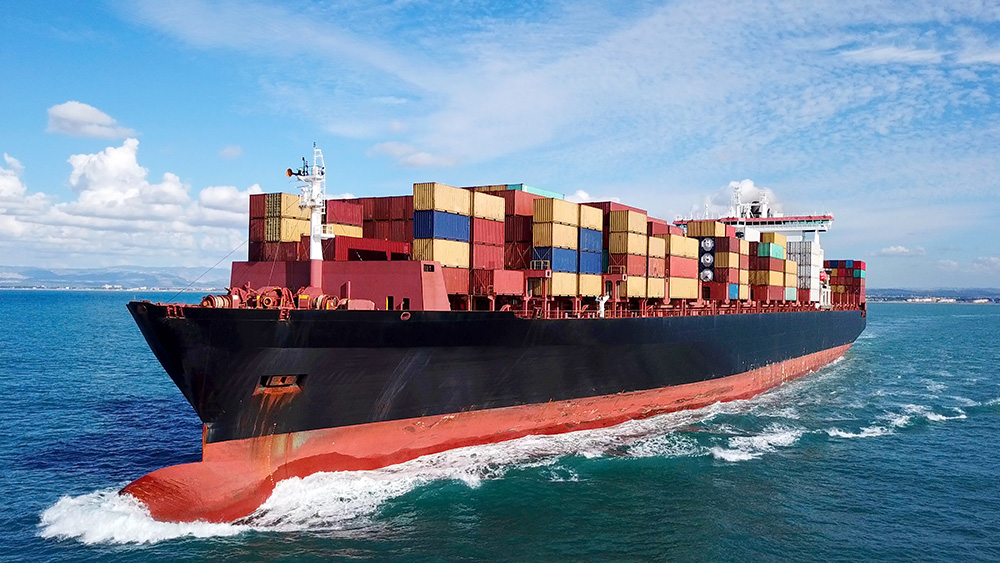
Transit times vary depending on the loading port and final Italian destination.
Table: Estimated Transit Times for China → Italy (40GP FCL)
| China Port | Italy Port | Transit Time (Days) | Notes |
|---|---|---|---|
| Shanghai | Genoa | 28–34 | Most stable route |
| Ningbo | La Spezia | 27–33 | Popular for textile importers |
| Shenzhen | Trieste | 30–36 | Slightly longer, efficient rail connection |
| Qingdao | Venice | 31–38 | Less frequency, good for North Italy |
Understanding these ranges helps importers schedule trucking and clearance ahead of time.
4. What Documents Are Required to Avoid Demurrage in Italy?
Proper documentation is one of the strongest defenses against demurrage because customs delays often trigger storage fees.
Table: Required Customs Documents for Textile Imports
| Document | Purpose | Importance |
|---|---|---|
| Commercial Invoice | Declares textile value and HS codes | Must match B/L |
| Packing List | Provides measurements and itemization | Needed for inspection |
| Bill of Lading | Confirms shipment details | Required to release container |
| Certificate of Origin | Determines tariff and preferential rates | Useful for EU compliance |
| Textile Declaration | Required for garment categories | Prevents customs hold |
| EORI Number | Identifies importer in EU | Mandatory for clearance |
Even minor errors in HS codes or item descriptions can lead to inspection and costly demurrage.
5. How Much Do Demurrage Charges Cost in Italy?
Although rates differ across terminals and shipping lines, typical demurrage & detention fees for a 40GP FCL in Italy may be:
Table: Average Demurrage Fees in Italy (40GP FCL)
| Day Range | Estimated Fee (USD/Day) |
|---|---|
| 1–5 days | $80–$120 |
| 6–10 days | $120–$150 |
| 11+ days | $150–$200+ |
Because fees increase daily, preventing delay is dramatically cheaper than resolving one.
6. What Are the Best Strategies for 40GP FCL Demurrage Prevention?
Pre‑Arrival Customs Preparation
Submit customs documents before the vessel arrives in Italy. Pre-clearance significantly reduces port time.Schedule Trucking in Advance
Textile importers should reserve trucking slots 3–5 days before estimated arrival to avoid peak-hour congestion.Coordinate With Your Forwarder
Your freight forwarder should provide real-time ETA updates to prevent last‑minute confusion.Use Priority Discharge Options
Some carriers offer “express discharge” for an additional fee, reducing the chance of delays during busy seasons.
7. Should You Use Other Freight Methods Besides FCL to Reduce Demurrage Risk?
Textile importers sometimes compare multiple transportation options.
Table: Freight Method Comparison
| Method | Pros | Cons |
|---|---|---|
| Sea Freight (40GP FCL) | Low cost, high capacity, good for mass textiles | Demurrage risk if clearance is slow |
| Air Freight | Fast, avoids port delays | High cost, low volume |
| Rail Freight (China–Europe) | Faster than sea, fewer port fees | Requires transloading to Italy |
| LCL Shipping | No container detention fees | Higher cost per CBM, longer handling time |
FCL remains the most economical for textiles, but proper planning is required to avoid demurrage.
8. Can Tracking and Monitoring Help Prevent Demurrage?
Yes—technology plays a major role in risk reduction. For textile shipments, tracking systems provide:
- Container movement alerts
- Early notice of vessel delays
- Customs milestone updates
- Estimated truck dispatch windows
With real-time data, importers can coordinate all parties proactively.
9. What Role Does a Freight Forwarder Play in Demurrage Prevention?
A professional freight forwarder helps reduce demurrage by:
- Preparing customs documents correctly
- Monitoring vessel schedule changes
- Advising earliest pickup dates
- Coordinating trucking and warehouse delivery
- Ensuring compliance with Italy’s import laws
Working with a reliable partner significantly reduces operational mistakes.
10. Why Does Textile Cargo Need Special Handling for Demurrage Prevention?
Textiles—especially yarn, garments, and fabric rolls—are:
- High in volume
- Sensitive to moisture
- Often imported in large FCL loads
Therefore, any extra time at the port increases the risk of mold or damage in addition to demurrage fees.
Packaging with desiccants and humidity‑resistant materials also helps protect textiles if delays occur.
📦Get a Free Quote
To prevent costly delays and optimize your 40GP FCL demurrage prevention for textiles from China to Italy, contact our team for tailored logistics planning and real‑time monitoring solutions. We help importers reduce fees, improve delivery schedules, and maintain full supply‑chain control.
❓ Frequently Asked Questions
1. How can I avoid demurrage in Italy for textile shipments?
Submit customs documents early, schedule trucking ahead of time, and closely monitor vessel ETA for timely container pickup.
2. Which documents most often cause clearance delays?
Incorrect HS codes, missing textile declarations, or invoice discrepancies commonly delay customs and increase demurrage risk.
3. Which port in Italy is most efficient for textile imports?
Genoa and La Spezia offer efficient customs processing and established container-handling for large textile shipments.
4. How early should I book trucking to prevent demurrage?
Book trucking at least 3–5 days before arrival, especially during peak season or holidays.
5. Can weather conditions affect demurrage risk?
Yes. Severe weather can delay berthing and unloading, increasing time at port and risk of demurrage.
Conclusion
Effective 40GP FCL demurrage prevention for textiles from China to Italy requires proactive planning, accurate documentation, and synchronized communication among all logistics partners. By preparing customs paperwork early, tracking vessel movements, arranging timely trucking, and choosing the right port, importers can significantly reduce the risk of delay and expensive demurrage charges. With the support of an experienced freight forwarder, your textile shipments will move efficiently, cost‑effectively, and with complete supply‑chain confidence.