

- By kelly
- December 1, 2025
- Logistics Guide
Open Top FCL Best Route for Solar Panels from China to Europe
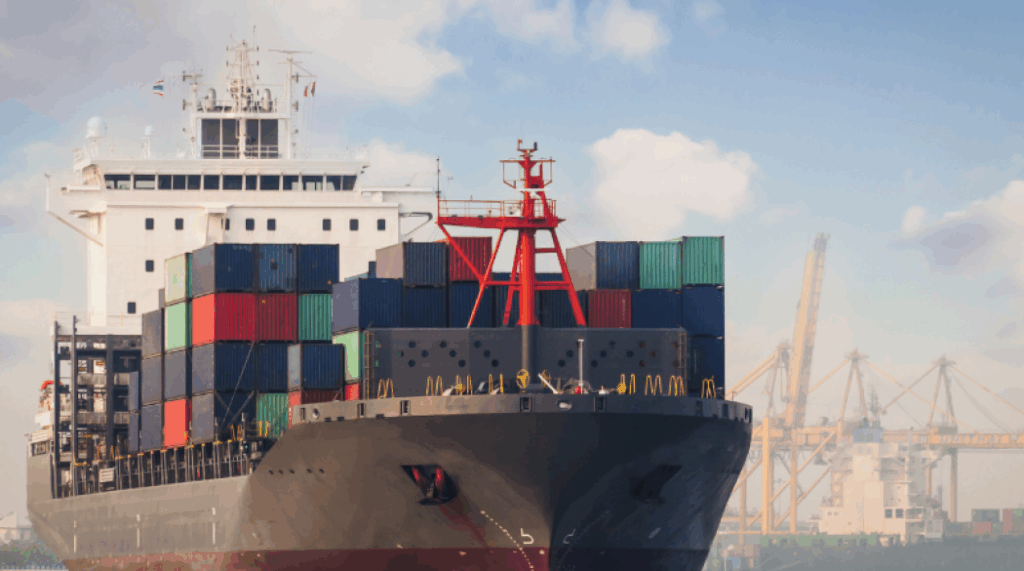
Shipping solar panels internationally requires careful planning, especially when dealing with bulky, fragile, and high-volume equipment. When standard containers aren’t suitable, Open Top FCL (Full Container Load) becomes the go-to solution. Finding the Open Top FCL best route for solar panels from China to Europe ensures timely delivery, cost-efficiency, and minimal cargo damage during transport.
In this article, we explore the best routes, transit times, cost breakdowns, customs documents, and container alternatives to help energy sector importers make smart logistics decisions.
1. Why Use Open Top FCL for Shipping Solar Panels?
Solar panels and inverters are often shipped on racks or pallets that exceed the height of standard container doors. Open Top FCLs offer:
- Overhead loading with cranes or forklifts
- Accommodation for oversized or stacked goods
- Flexibility for irregular cargo shapes
- Better air circulation during transit
Moreover, Open Top containers help reduce loading damage and allow safer transportation of fragile photovoltaic equipment.
2. What Are the Common Pain Points When Shipping Solar Panels to Europe?
Shipping from China to Europe can be challenging for solar panel importers. Common issues include:
- Limited availability of Open Top containers
- Port congestion in China or Europe
- Lengthy customs clearance procedures
- Risk of transit damage from vibration or moisture
- High surcharges for oversized or heavy loads
Therefore, route optimization becomes critical to reduce risks and control costs.
3. Which Are the Best Ports in China for Solar Panel Export?
Most Chinese solar panel manufacturers operate in the Pearl River Delta and Yangtze River Delta. Ideal loading ports include:
- Shanghai: Top choice for central and eastern China
- Shenzhen (Yantian/Shekou): Preferred for Guangdong manufacturers
- Ningbo: Efficient and less congested than Shanghai
- Qingdao: Suitable for northern suppliers
Booking from these ports also improves the chances of securing an Open Top FCL.
4. What Are the Top Entry Ports in Europe for Solar Panel Imports?
Importers across Europe rely on strategic ports with strong inland connectivity:
- Rotterdam (Netherlands): Ideal for northern and central Europe
- Hamburg (Germany): Efficient for direct Germany deliveries
- Antwerp (Belgium): Excellent intermodal network
- Marseille (France): Useful for southern Europe distribution
Pairing the right China–Europe port combination reduces transit time and simplifies final delivery.
5. What Are the Best Routes for Open Top FCL from China to Europe?
Here’s a comparison of optimal sea routes for Open Top FCL shipments.
Table: Best Routes – China to Europe (Open Top FCL, Solar Panels)
| Origin Port | Destination Port | Route Type | Transit Time | Remarks |
|---|---|---|---|---|
| Shanghai | Rotterdam | Direct via Suez | 28–34 days | Fastest, frequent sailings |
| Shenzhen | Hamburg | Transshipment | 30–38 days | Slightly longer, lower cost |
| Ningbo | Antwerp | One transload | 29–36 days | Balanced option |
| Qingdao | Marseille | Transshipment | 34–40 days | Ideal for southern delivery |
Route selection should balance equipment availability, cargo urgency, and final delivery location.
6. How Much Does It Cost to Ship Solar Panels via Open Top FCL?
Open Top FCL shipping is more expensive than standard FCL due to special handling. Here’s an estimated cost breakdown:
Table: Open Top FCL Shipping Costs – China to Europe
| Route (Port Pair) | Base Freight (USD) | Open Top Surcharge | Total Estimated Cost |
|---|---|---|---|
| Shanghai → Rotterdam | $3,900–$4,600 | $400–$700 | $4,300–$5,300 |
| Shenzhen → Hamburg | $3,800–$4,500 | $350–$650 | $4,150–$5,150 |
| Ningbo → Antwerp | $3,600–$4,400 | $400–$700 | $4,000–$5,100 |
These figures exclude customs fees, inland delivery, or insurance.
7. What Documents Are Needed for Solar Panel Imports into Europe?
Correct documentation prevents delays at EU customs and helps streamline delivery.
Table: Required Documents for Solar Panel Import
| Document | Purpose | Issued By |
|---|---|---|
| Commercial Invoice | Value declaration and buyer details | Exporter |
| Packing List | Itemized cargo details | Shipper |
| Bill of Lading | Transport contract | Carrier |
| CE Certificate | EU product compliance | Manufacturer |
| Certificate of Origin | Tariff classification | Chamber of Commerce |
| HS Code (8541.40) | Customs classification | Shipper/Customs Agent |
| Delivery Instruction | Inland transport arrangement | Importer or consignee |
Submitting these ahead of vessel arrival speeds up clearance at major EU ports.
8. Can You Use Alternative Containers for Solar Panel Shipping?
Yes. When Open Top containers are unavailable, consider:
Table: Container Alternatives – Pros & Cons
| Container Type | Use Case | Pros | Cons |
|---|---|---|---|
| Flat Rack FCL | For even taller cargo | Allows side and top loading | Requires extensive lashing and permits |
| 40HQ FCL | For boxed or palletized panels | Widely available and economical | Limited vertical space |
| LCL Consolidation | Smaller orders | Lower upfront cost | Longer transit time, higher risk |
Each option has trade-offs, depending on shipment volume, weight, and urgency.
9. How Do You Protect Solar Panels During Sea Transit?
Solar panels are sensitive to vibration, water, and stacking pressure. To protect your cargo:
- Use corner protectors and shrink wrap
- Add desiccants to prevent moisture damage
- Place foam padding or bubble wrap between modules
- Request professional lashing services in China
- Monitor weather and avoid shipping during typhoon season
Working with experienced forwarders ensures proper loading protocols are followed.
10. How Can Forwarders Help Optimize Routes and Containers?
Experienced freight forwarders:
- Secure hard-to-book Open Top equipment
- Recommend the fastest and most cost-effective routing
- Handle special documentation like CE or DDP/DAP requirements
- Offer cargo insurance for high-value renewable energy products
- Monitor sailing schedules and adjust booking if delays occur
Freight experts like ChinaTopFreight specialize in supporting the solar supply chain.
📦Get a Free Quote
Need help booking the ideal Open Top FCL for your solar panel shipment? Contact ChinaTopFreight today for expert support, guaranteed container space, and seamless delivery from factory to field.
❓ Frequently Asked Questions
1. Why is Open Top FCL better than 40HQ for solar panels?
Open Top FCL allows overhead loading and fits tall stacks of solar panels or racks, reducing the risk of panel damage and improving efficiency.
2. What is the average transit time from China to Europe for solar panels?
Transit times range between 28 and 40 days depending on the route and destination port, with Shanghai–Rotterdam being one of the fastest.
3. Are there risks in shipping solar panels by sea?
Yes. Risks include moisture damage, breakage, and customs delays. Protective packaging, insurance, and proper container choice help reduce these issues.
4. Can I ship solar inverters and batteries with panels?
Yes, but lithium batteries may require hazardous cargo declarations and special containers. Always confirm with your freight forwarder before combining goods.
5. What if no Open Top containers are available?
Consider Flat Rack FCL or split shipments in 40HQ containers. Early booking and working with specialized forwarders increase equipment availability.
Conclusion
Choosing the Open Top FCL best route for solar panels from China to Europe is more than selecting ports—it’s about aligning schedules, equipment, costs, and compliance. Whether you’re a solar distributor, installer, or EPC contractor, investing in route optimization and freight planning will reduce delays, minimize costs, and protect your products throughout the supply chain. Let reliable forwarders help you make the transition to green energy smooth and scalable.