

- By kelly
- December 1, 2025
- Logistics Guide
Reefer FCL Space Availability for Lighting from China to USA
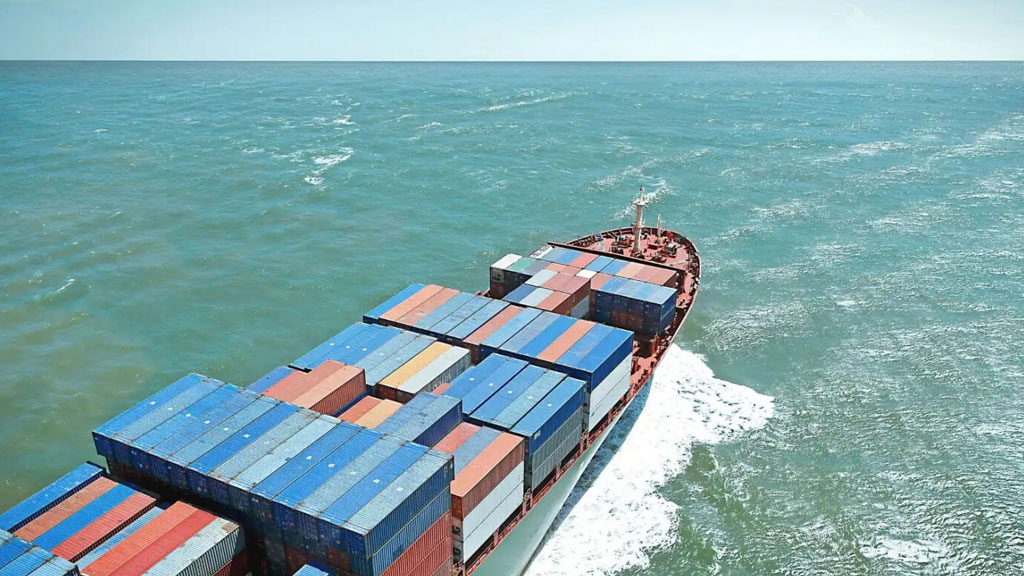
Lighting products—whether LED panels, bulbs, fixtures, or architectural systems—are sensitive to moisture and temperature variations. To prevent damage and maintain quality, importers increasingly rely on reefer containers for ocean transport. However, navigating reefer FCL space availability for lighting from China to USA can be challenging due to high global demand, seasonal congestion, and equipment imbalances.
In this guide, we’ll show you how to secure reefer FCL space, choose the right routes, optimize documentation, and mitigate shipping delays when moving lighting products to the U.S. market.
1. Why Use Reefer FCL Containers for Lighting Shipments?
Lighting components are sensitive to humidity and condensation during long sea voyages. Therefore, reefer containers offer:
- Temperature control (15–25°C) to protect sensitive components
- Humidity regulation to prevent oxidation or corrosion
- Dedicated space that avoids contamination from other goods
- Real-time monitoring for supply chain assurance
Using a 40ft reefer container also minimizes handling, making it ideal for high-value, boxed lighting equipment.
2. What Is Causing Reefer FCL Space Shortages to the USA?
There are several reasons why reefer FCL space is limited:
- High global demand for reefer units, especially for food and pharma
- Port congestion in China and U.S. West Coast terminals
- Long container return cycles, slowing equipment turnaround
- Carrier preference for dry containers due to faster processing
To overcome these issues, early booking and flexible routing are essential.
3. What Are the Best Origin Ports in China for Lighting Shipments?

China’s lighting manufacturing hubs are mainly located in:
- Zhongshan and Guangzhou (South China)
- Shenzhen (for LED lighting)
- Ningbo and Hangzhou (Eastern China)
- Xiamen and Fuzhou (Central Coast)
Here are the top ports and their strengths:
Table: Best China Ports for Reefer Lighting Shipments
| Port | Strength | Export Region |
|---|---|---|
| Shenzhen (Yantian) | High reefer availability, LED hub | Guangdong, Shenzhen |
| Ningbo | Fast customs clearance | Zhejiang, Hangzhou |
| Shanghai | Broad carrier access | Yangtze Delta factories |
| Xiamen | Less congestion, reefer plug-ins | Fujian province |
4. Which U.S. Ports Are Best for Reefer Lighting Imports?
The destination port should match your delivery area and speed requirements. Here are the top options:
Table: U.S. Ports for Reefer Lighting Imports
| Port | Advantages | Transit Time (avg) |
|---|---|---|
| Los Angeles | Largest volume, quick West Coast access | 18–23 days |
| Long Beach | Close to L.A., efficient reefer terminals | 18–24 days |
| Houston | Great for Central and South USA | 26–32 days |
| New York/Newark | Ideal for East Coast retail distribution | 30–35 days |
5. What Are Typical Transit Times for China–USA Reefer Shipments?
Transit time varies by port combination and carrier. Here’s an overview:
Table: Estimated Transit Times – Reefer FCL (Lighting)
| China Port | U.S. Port | Transit Time (Days) | Notes |
|---|---|---|---|
| Shenzhen | Los Angeles | 18–23 | Fastest, direct sailings |
| Ningbo | Houston | 28–33 | Good for central distribution |
| Shanghai | New York | 30–35 | Via Panama or Suez routes |
| Xiamen | Long Beach | 21–26 | Reliable capacity |
Book early during Q4 and Chinese New Year to avoid sailing delays.
6. How Much Does a Reefer FCL Cost from China to the USA?
Pricing depends on season, container availability, and fuel surcharges.
Table: Estimated Reefer Container Costs (USD)
| Route | 40′ Reefer Rate | Inclusions | Exclusions |
|---|---|---|---|
| Shenzhen → Los Angeles | $6,800–$8,200 | Freight, plug-in fees, fuel surcharge | THC, customs, delivery |
| Ningbo → Houston | $7,200–$8,800 | Ocean freight + reefer services | DTHC, inland trucking |
| Shanghai → New York | $7,500–$9,200 | Long-haul via Panama or Suez | Final-mile fees |
Prices spike during produce seasons and Q4—book 3–4 weeks in advance.
7. What Are the Key Documents for Reefer Lighting Shipments?
Timely and accurate documentation is crucial to prevent delays and penalties.
Table: Key Documents – Reefer Lighting Cargo
| Document | Purpose | Issued By |
|---|---|---|
| Commercial Invoice | Declares cargo value, incoterms | Supplier |
| Packing List | Itemized cargo, volume, weight | Shipper |
| Bill of Lading | Contract between shipper and carrier | Carrier/Freight Forwarder |
| Certificate of Origin | For customs declaration | Chamber of Commerce |
| CE Certification | For compliant lighting exports | Manufacturer |
| UL Certification | Needed for U.S. electrical goods | Accredited testing lab |
| Temperature Setting Doc | Required for reefer booking | Exporter or forwarder |
Missing or delayed docs can result in missed sailing or customs holds.
8. How Can You Improve Reefer FCL Space Availability?
To increase your chance of securing space:
- Book at least 3–4 weeks in advance
- Use flexible port pairs (e.g., Yantian + Long Beach or Ningbo + Houston)
- Consider off-peak shipping months
- Work with freight forwarders with reefer allocations
- Explore shipper-owned container (SOC) options if carrier supply is tight
Moreover, consolidated bookings or long-term contracts help prioritize your containers.
9. What Role Does a Freight Forwarder Play in Reefer FCL Space?
Freight forwarders help by:
- Securing reefer allocation from multiple carriers
- Monitoring availability and schedule changes
- Coordinating documentation for customs compliance
- Providing reefer tracking and in-transit monitoring
- Offering alternate routes and back-up container plans
Forwarders like ChinaTopFreight specialize in containerized lighting shipments with real-time availability tracking.
10. What Are Alternatives If Reefer Space Is Unavailable?
When reefer containers are unavailable, consider these fallback strategies:
- Use ventilated containers with desiccants for dry climate months
- Split cargo across multiple 20GP containers to increase options
- Upgrade to premium service carriers for priority reefer handling
- Ship via air for urgent lighting components (at higher cost)
Alternative modes can maintain delivery schedules during peak shortages.
📦Get a Free Quote
To secure reefer space for lighting shipments, trust ChinaTopFreight. Our team provides direct booking access, schedule monitoring, and compliance support to ensure your lighting cargo reaches U.S. markets safely and on time. Request a free quote or booking today.
❓ Frequently Asked Questions
1. When should I book reefer FCL space for U.S.-bound lighting?
At least 3–4 weeks in advance, especially during Q4 and Chinese New Year.
2. Can I track reefer containers in real time?
Yes, most carriers and forwarders offer GPS-based and temperature-monitoring systems for reefer FCL shipments.
3. Is reefer mandatory for all lighting shipments?
No, but it’s strongly recommended for high-end lighting vulnerable to moisture or temperature variation.
4. What ports are best for reefer imports in the U.S.?
Los Angeles, Long Beach, Houston, and New York are all equipped with reefer plugs and infrastructure.
5. What if my shipment is delayed due to lack of reefer space?
Ask your forwarder to reroute through alternative ports or consider air or ventilated container alternatives.
Conclusion
Managing reefer FCL space availability for lighting from China to USA is a growing challenge in today’s constrained logistics landscape. However, by booking early, choosing flexible ports, and working with a knowledgeable freight forwarder, importers can secure consistent access to refrigerated equipment. Lighting shipments are sensitive, seasonal, and valuable—making space security a top priority. Act ahead of time, and your deliveries will stay on schedule and in perfect condition.