

- By kelly
- December 1, 2025
- Logistics Guide
Flat Rack FCL Tracking for Textiles from China to Savannah

Textile shipments from China often involve bulky, non-stackable, or oddly shaped cargo—making flat rack containers the ideal solution. However, due to their complexity, flat rack FCL tracking for textiles from China to Savannah is critical for avoiding delays, managing customs, and ensuring visibility across each milestone. When tracking is efficient, your textile supply chain can flow smoothly into the U.S. East Coast market.
This article explores optimized tracking methods, route planning, port selection, documentation, and freight cost comparisons for textile exporters and importers targeting Savannah, Georgia.
Why Are Flat Rack Containers Ideal for Textile Equipment?
Flat rack containers are perfect for textile machinery, oversized fabric rolls, and non-standard packaging. Compared to traditional 40HCs or 20GPs, flat racks offer:
- Open sides and no roof, enabling top or side loading
- High load capacity, suitable for bulky weaving, dyeing, and finishing machines
- Secure lashing and bracing for irregular shapes
Their versatility is unmatched for heavy, oversized textile equipment shipping across oceans.
What Makes Savannah a Preferred Port for U.S. Textile Imports?
The Port of Savannah, Georgia, offers several competitive advantages for textile importers:
- High throughput with fast container turnaround
- Direct rail links to key U.S. manufacturing hubs
- Customs and Border Protection (CBP) efficiency
- Less congestion compared to West Coast ports
Moreover, it’s a strategic hub for textile markets in North Carolina, South Carolina, Georgia, and Tennessee.
What Is the End-to-End Flat Rack Tracking Process?
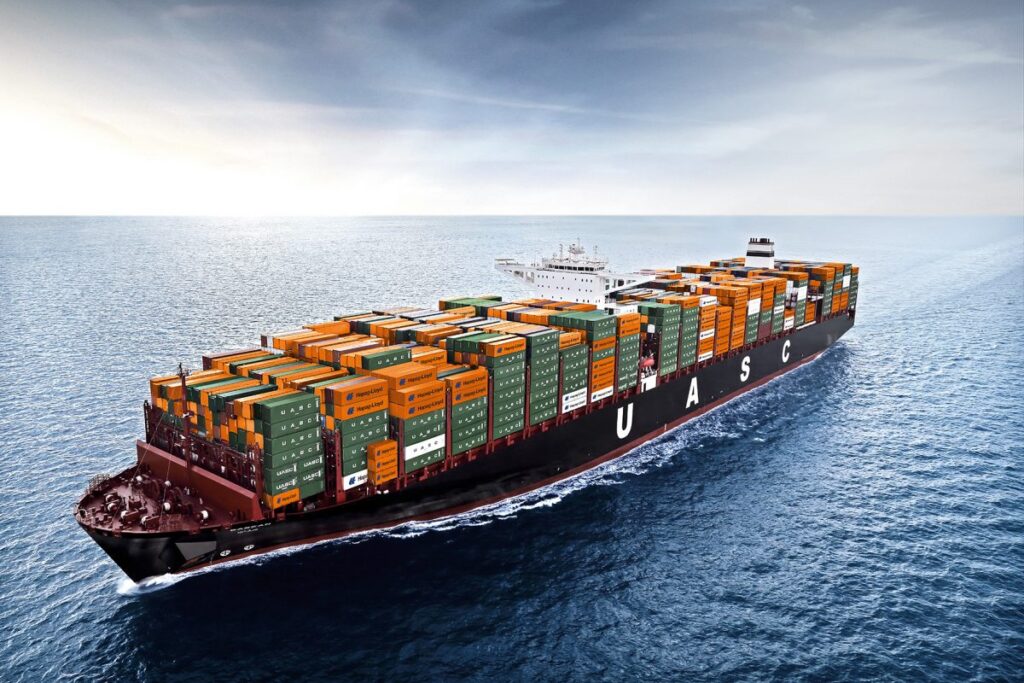
Tracking flat rack FCL shipments involves a more detailed flow due to their customized nature. Key tracking milestones include:
- Container reservation and booking
- Cargo lashing, bracing, and loading at origin
- Export customs clearance in China
- Vessel loading and departure
- In-transit milestones (AIS vessel tracking)
- Arrival at Savannah port
- Customs clearance and out-gate
- Delivery to consignee
Each of these steps should be digitally logged and trackable via your forwarder or carrier portal.
What Are the Best Chinese Ports for Flat Rack Textile Exports?
Several ports in China are well-equipped for flat rack handling, especially for textile cargo.
Table: Best Chinese Ports for Textile Flat Rack FCL
| Port | Region | Strengths |
|---|---|---|
| Shanghai | East China | High frequency to U.S. East Coast |
| Ningbo | Zhejiang | Strong in textile equipment exports |
| Shenzhen | Guangdong | Close to major textile factories |
| Qingdao | North China | Handles heavy industrial textile machinery |
| Xiamen | Fujian | Less congestion, better space availability |
How Long Does It Take to Ship to Savannah?
Transit times vary by route, carrier, and transshipment points.
Table: Estimated Transit Times (China to Savannah)
| China Port | Route Type | Transit Time (Days) | Notes |
|---|---|---|---|
| Ningbo | Transshipment via Panama | 31–38 | Common route for East Coast freight |
| Shanghai | Direct/1-stop | 28–34 | More frequent sailings |
| Shenzhen | Transshipment | 33–40 | May face delay in peak season |
| Qingdao | Transshipment | 35–42 | Efficient for industrial cargo |
Savannah-bound vessels often sail via Panama or Suez Canal, depending on season and carrier.
What Are Typical Costs for Flat Rack FCL Textile Shipping?
Rates for flat rack containers are higher due to special handling, lashing, and container allocation limitations.
Table: Estimated Costs – Flat Rack FCL (USD)
| Route | Base Freight | Flat Rack Surcharge | Handling Fees | Total Est. Cost |
|---|---|---|---|---|
| Shanghai → Savannah | $4,500 | $1,200 | $350 | $6,050 |
| Ningbo → Savannah | $4,300 | $1,150 | $320 | $5,770 |
| Shenzhen → Savannah | $4,700 | $1,300 | $400 | $6,400 |
Always confirm with forwarders regarding plug-in charges, over-dimensional surcharges, and container pickup deadlines.

What Documents Are Needed for U.S. Textile Imports?
Proper documentation is key to avoiding holds or penalties at Savannah customs.
Customs Documents Checklist
| Document | Purpose |
|---|---|
| Commercial Invoice | Declares value and transaction details |
| Packing List | Identifies dimensions, weight, and content |
| Bill of Lading | Contract between shipper and carrier |
| ISF Filing (10+2) | Mandatory before cargo loading in China |
| Importer Security Filing | Required by U.S. CBP |
| Certificate of Origin | Verifies product country for duty rates |
| Textile Declaration | Ensures compliance with fiber content rules |
Incomplete documentation may trigger container holds and delay delivery from port.
How Can Tracking Reduce Flat Rack Shipping Risks?
Accurate tracking systems offer:
- Early warning for customs clearance
- Real-time alerts on vessel delays
- Pre-scheduling for container unloading and delivery
- Monitoring of detention/demurrage risks
Moreover, digital tools like GPS, RFID, and EDI platforms enhance flat rack cargo visibility.
What Are the Pros and Cons of Flat Rack vs. Other Options?
Table: Shipping Method Comparison
| Method | Transit Time | Cost | Pros | Cons |
|---|---|---|---|---|
| Flat Rack FCL | 28–42 days | High | Ideal for oversized textile equipment | Space limited, high surcharge |
| 40HC FCL | 25–35 days | Medium | Readily available, sealed units | Limited space for irregular cargo |
| LCL | 30–45 days | Low (small cargo) | Flexible for partial loads | Higher risk of damage, slower handling |
| Air Freight | 3–7 days | Very High | Fastest for samples or urgent items | Not suitable for bulky textile machinery |
How Can Importers Ensure On-Time Delivery in Savannah?
To ensure timely delivery and port release:
- Pre-book containers 3–4 weeks ahead
- Complete ISF filings 72 hours before vessel departure
- Use experienced customs brokers
- Work with local drayage providers in Savannah
- Avoid holiday congestion and CBP blackouts
Additionally, allow flexibility in delivery timelines during Q4 and Lunar New Year.
📦Get a Free Quote
If you ship large-scale textile machinery or bulky fabric rolls to the U.S., our expert team can provide real-time tracking, document support, and equipment allocation to make your flat rack shipments hassle-free. Contact us now to streamline your logistics.
❓ Frequently Asked Questions
1. What is flat rack FCL used for in textile shipping?
It’s ideal for oversized textile equipment that can’t fit inside standard containers due to width, height, or loading needs.
2. How do I track a flat rack container to Savannah?
Use your freight forwarder’s tracking dashboard or the carrier’s online tool for real-time updates from port to delivery.
3. Is Savannah better than Charleston or Norfolk for textile imports?
Yes. Savannah offers faster processing, strong rail links, and is strategically located for southeastern textile markets.
4. Are flat rack containers available year-round?
Not always. Space can be limited during peak seasons. Pre-booking 3–4 weeks in advance is strongly recommended.
5. What’s the main risk of flat rack shipping?
Cargo exposure to weather and the need for secure lashing. However, these risks are manageable with proper preparation.
Conclusion
Shipping large textile equipment demands more than space—it requires visibility, planning, and precision. With the right strategy, flat rack FCL tracking for textiles from China to Savannah becomes manageable and predictable. Whether you’re importing looms, dyeing machines, or heavy yarn crates, using flat racks with advanced tracking ensures timely delivery, minimized costs, and full cargo control. Leverage expert freight partners and digital tools to stay ahead in a competitive textile market.