

- By kelly
- December 1, 2025
- Logistics Guide
Reefer FCL Tracking for Textiles from China to Miami
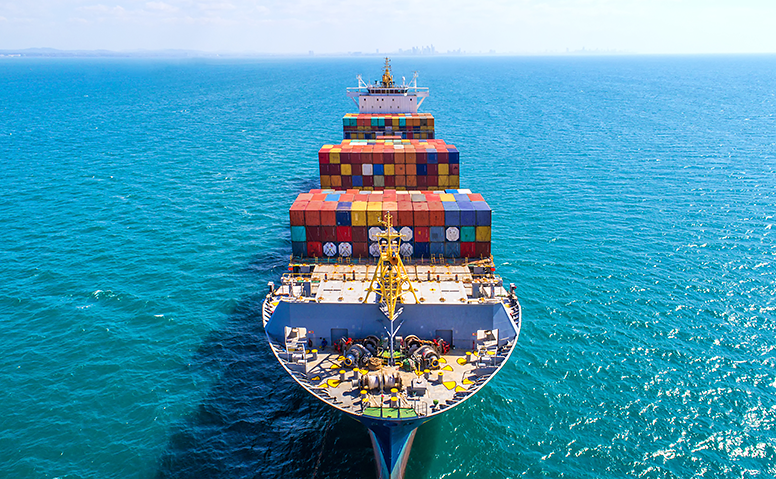
Textile shipments often require controlled temperatures, especially when transporting premium fabrics or sensitive materials. Therefore, reefer FCL tracking for textiles from China to Miami is essential for maintaining product quality, ensuring supply chain transparency, and reducing potential customs delays. As Miami is a major U.S. gateway for fashion and textile imports, reliable tracking technology becomes a competitive advantage.
1. Why Do Textile Shipments Need Reefer FCL Tracking?
Textile cargo may appear non-perishable, but many fabrics—such as organic cotton, specialty yarns, dyed materials, and high-end rolls—are sensitive to humidity and temperature. Reefer FCL (full container load refrigeration) provides stable climate control. However, tracking is crucial because:
- It offers real-time visibility during ocean transit.
- It helps prevent moisture damage, mold, or color fading.
- It reduces detention/demurrage risks at Miami port.
- It ensures compliance with import/export regulations, especially for high-value goods.
Therefore, continuous tracking ensures textiles reach Miami in perfect condition.
2. How Does Reefer FCL Tracking Work for China–Miami Shipments?
Reefer tracking integrates various tools:
Core Tracking Technologies
- GPS beacon monitoring
- Cloud-based visibility platforms
- Carrier tracking portals
- Temperature and humidity telematics
- EDI milestone updates
Moreover, these systems allow shippers to receive alerts when reefer temperatures fluctuate or when containers face vessel delays.
3. Which China Ports Are Best for Reefer Textile Exports to Miami?
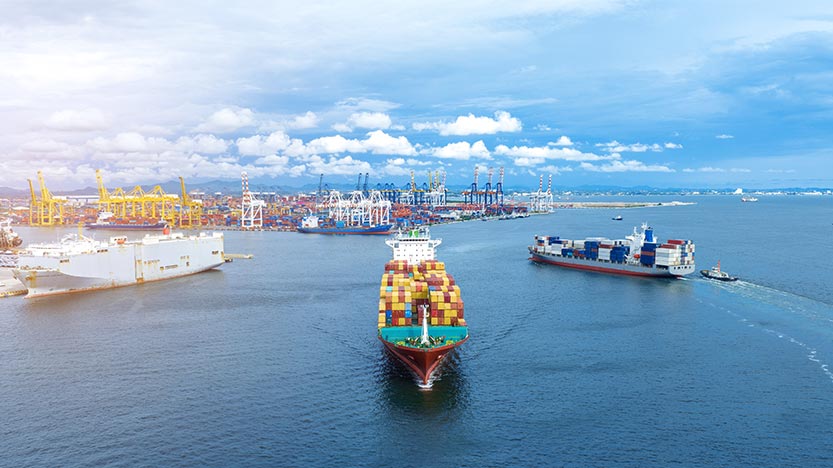
Below is a comparison of popular loading ports supporting reefer containers:
Table: Best China Ports for Reefer Textile Shipping to Miami
| China Port | Strengths | Notes |
|---|---|---|
| Shanghai | Largest reefer capacity | Most sailings to U.S. East Coast |
| Ningbo | Strong textile export base | Reliable reefer equipment availability |
| Shenzhen/Yantian | Close to major fabric factories | Faster customs processing |
| Qingdao | Ideal for bulk textile machinery | Good reefer handling |
| Xiamen | Flexible space availability | Less congestion |
These ports provide consistent reefer allocation, which is important because reefer space is often limited.
4. What Is the Transit Time for Reefer FCL from China to Miami?
Transit times vary depending on the route and carrier.
Table: Estimated Transit Time (China → Miami)
| China Port | Transit Time (Days) | Route Type |
|---|---|---|
| Shanghai → Miami | 32–38 days | Via Panama Canal |
| Ningbo → Miami | 34–40 days | Transshipment |
| Shenzhen → Miami | 33–39 days | Via Caribbean hub |
| Qingdao → Miami | 36–42 days | Transshipment |
| Xiamen → Miami | 35–41 days | Mixed routing |
Although Miami is farther than Savannah or New York, its efficient reefer processing compensates for longer sailing distances.
5. What Are the Costs of Reefer FCL Shipping for Textiles to Miami?
Reefer shipping is more expensive than dry containers due to energy requirements and temperature control.
Table: Reefer FCL Estimated Costs (USD)
| Route | Base Freight | Reefer Surcharge | Handling Fees | Total Est. Cost |
|---|---|---|---|---|
| Shanghai → Miami | $5,200 | $1,400 | $420 | $7,020 |
| Ningbo → Miami | $5,000 | $1,350 | $395 | $6,745 |
| Shenzhen → Miami | $5,400 | $1,500 | $450 | $7,350 |
Costs fluctuate with peak season, energy prices, and reefer equipment demand.
6. What Documents Are Required for Textile Imports into Miami?
Documentation accuracy is essential to avoid holds by CBP or FDA (for treated fabrics).
Table: Required Customs Documents
| Document | Purpose |
|---|---|
| Commercial Invoice | Declares value and product details |
| Packing List | Provides measurements and fabric composition |
| Bill of Lading | Shipping contract |
| ISF (10+2) | Required before loading |
| Certificate of Origin | Verifies manufacturing location |
| Textile Declaration | Required for certain HS codes |
| Importer Security Filing | Ensures compliance with CBP regulations |
Missing documentation can stop a reefer container in Miami, increasing storage costs.
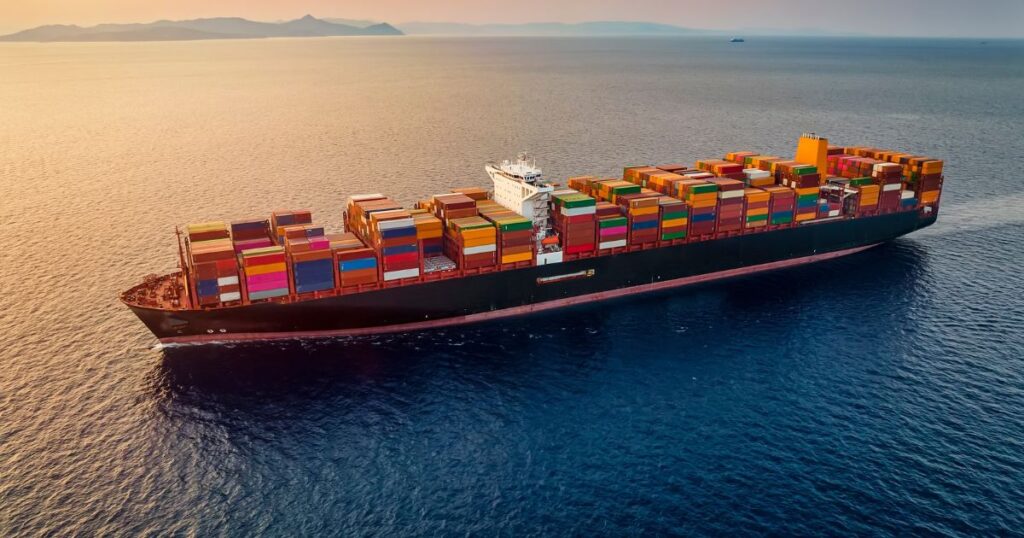
7. Why Is Miami a Strong Destination for Textile Imports?
Miami is a major textile distribution hub, serving:
- Florida apparel markets
- Latin American re-export networks
- U.S. Southeast fashion supply chains
Additionally, Miami’s FTZs and bonded warehouses help reduce duties and expedite distribution.
8. What Are the Key Benefits of Reefer Tracking for Textile Cargo?
Major Benefits
- Climate protection for fabric quality
- Predictable arrival scheduling
- Reduced insurance risks
- Improved compliance with CBP textile rules
- Enhanced supply chain visibility
Moreover, tracking reduces uncertainty caused by storms, port congestion, and vessel delays.
9. How Does Reefer FCL Compare to Other Shipping Options?pping?
Table: Shipping Method Comparison
| Method | Transit Time | Cost | Pros | Cons |
|---|---|---|---|---|
| Reefer FCL | 32–42 days | High | Climate control + monitoring | Limited space, high surcharge |
| Dry FCL | 28–38 days | Medium | Cheap and widely available | No temperature protection |
| LCL | 35–50 days | Low | Ideal for small shipments | High damage risk, slow |
| Air Freight | 3–7 days | Very high | Fastest method | Too costly for large textile loads |
Reefer FCL offers the best balance between protection, cost, and capacity.
10. How Can Shippers Improve Tracking Accuracy?
Shippers can strengthen tracking by:
- Using dual-platform monitoring (carrier + forwarder)
- Setting temperature deviation alerts
- Choosing reputable reefer-compatible carriers
- Coordinating with Miami terminal staff
- Ensuring ISF filing accuracy
Furthermore, combining EDI and API data streams helps reduce blind spots.
📦Get a Free Quote
Before your next shipment, partner with a logistics team specializing in reefer FCL tracking for textiles from China to Miami. They ensure visibility from loading to port arrival, protect sensitive fabrics, and help you avoid costly customs delays or reefer downtime. Contact us for expert support and real-time tracking solutions tailored to textile cargo.
❓ Frequently Asked Questions
1. Why choose reefer FCL for textile shipments?
Reefer FCL protects textiles from humidity and temperature fluctuations, ensuring fabrics stay mold-free, color-stable, and ready for distribution upon arrival.
2. How do I track reefer shipments from China to Miami?
Use your forwarder’s digital tracking platform plus carrier tools for temperature logs, vessel updates, customs milestones, and estimated arrival timelines.
3. What causes delays in reefer container arrivals?
Weather issues, transshipment congestion, incorrect documents, and customs exams are common delay factors. Proper tracking minimizes impacts and supports faster clearance.
4. Can textile cargo be damaged during reefer transport?
Yes. Temperature errors, condensation, or poor loading may cause damage. However, professional lashing and consistent monitoring significantly reduce the risk.
5. Are reefer containers always available at Chinese ports?
Availability changes with season and demand. Pre-booking ensures priority access, especially during peak textile export periods or holiday rush seasons.
Conclusion
Reliable reefer FCL tracking for textiles from China to Miami is essential for maintaining fabric quality, meeting delivery deadlines, and optimizing supply chain performance. With climate-controlled containers, real-time monitoring tools, and expert customs support, shippers can reduce risks and ensure their textile cargo arrives in perfect condition. Partner with specialists to streamline tracking, control costs, and stay competitive in the global textile market.