

- By ayla tj
- December 1, 2025
- Logistics Guide
Securing Reefer FCL container shortage solution for medical equipment from China to Portugal has become increasingly difficult as global cold-chain demand intensifies. However, exporters still require stable container availability, reliable temperatures, and predictable transit times. This guide provides practical strategies to overcome reefer shortages, reduce logistics risks, and ensure safe delivery for sensitive medical equipment.
1. What Causes Reefer FCL Container Shortages for Medical Equipment Shipments?

The demand for reefer containers is rising faster than global supply, especially for pharmaceutical and medical cargo. Moreover, port congestion, seasonal surges, and equipment repositioning challenges tighten availability across major China–Portugal trade lanes.
Typical Causes of Reefer Shortage
- Pharmaceutical demand outpacing container supply
- Reefer units stuck at congested European ports
- Seasonal fruit and seafood exports competing for equipment
- Limited reefer power plugs at transshipment hubs
- Slow container rotation cycles
Because of these factors, stable capacity becomes difficult unless shippers plan proactively.
2. How Do Shortages Impact Medical Equipment Shipping to Portugal?
Shortages affect rates, sailing schedules, and cold-chain assurance. Moreover, sensitive devices like diagnostic machines, laboratory instruments, vaccines, and calibration equipment may experience delays or integrity risks.
Major Impacts
- Higher freight rates due to limited supply
- Longer lead times in securing space
- Reduced flexibility in choosing carriers or ETDs
- Greater risk of delays at origin or transshipment ports
- Extra surcharges such as EIS (Equipment Imbalance Surcharge)
Therefore, forecasting and early booking are essential.
3. What Are the Best Solutions to Overcome Reefer FCL Shortages?
Multiple strategies can stabilize access to reefer equipment during shortage periods. Using the right combination significantly increases your success rate.
Effective Shortage Solutions
4. Book Reefer Space 3–4 Weeks in Advance
Because availability decreases rapidly, booking early is the most reliable solution.
4. Use Multi-Port Loading Strategies
Alternatives such as Shanghai, Ningbo, Qingdao, or Tianjin offer greater reefer availability.
4. Work with Multiple Carriers
Using MSC, MAERSK, CMA-CGM, HMM, and COSCO improves the chance of securing equipment.
4. Join Reefer Allocation Programs
Some forwarders offer pre-allocated reefer capacity for medical cargo.
What are you waiting for?
Contact chinatopfreight for a fast, free quote.
Are you ready to book?
Access live instant freight quotes
4. How Do Reefer Container Specifications Affect Medical Equipment Logistics?
Different reefer units provide different internal dimensions, airflow patterns, and stability levels, which influence compatibility with specific medical devices.
Reefer Container Comparison
| Container Type | Suitable Cargo | Stability Level | Temperature Accuracy | Notes |
|---|---|---|---|---|
| 20GP Reefer | Compact medical devices | Medium | High | Higher competition during shortages |
| 40GP Reefer | Bulk medical cargo | High | High | Most widely available |
| 40HQ Reefer | Lightweight oversized devices | Medium–High | High | Extra height, fewer units available |
| Controlled-Atmosphere Reefer | Highly sensitive devices | Very High | Extremely precise | Most expensive option |
Understanding these options allows shippers to choose the most reliable alternative during shortages.
5. What Shipping Method Works Best During Reefer Shortages?
Although Reefer FCL is required for temperature-controlled medical devices, alternative transport modes can temporarily fill gaps.
Shipping Method Comparison Table
| Method | Cost | Transit Time | Suitable Cargo | Cold Chain Level | Pros | Cons |
|---|---|---|---|---|---|---|
| Reefer FCL | High | 28–36 days | Sensitive medical devices | Full reefer | Stable & protected | Hard to secure during shortage |
| Non-Reefer FCL + Insulation | Medium | 28–36 days | Semi-sensitive devices | Moderate | Lower cost | Not for high-value medical devices |
| Reefer LCL | Medium–High | 32–45 days | Small volumes | Partial reefer | Flexible volume | More handling required |
| Air Freight Reefer | Very High | 3–7 days | Urgent medical cargo | Very high | Fastest option | Very costly |
| Rail Reefer (to Europe) | Medium | 18–25 days | Temperature-stable devices | High | Faster than sea | Limited access for Portugal |
6. Can Reefer FCL Space Be Guaranteed During Peak Season?
While no absolute guarantee exists, several steps dramatically increase success.
Peak-Season Strategies
- Book 4 weeks early
- Use a rolling forecast (weekly updates)
- Accept alternative carriers or routing
- Use split shipments for partial movement
- Pre-arrange reefer plugs at transshipment ports
Because reefer demand surges sharply between August and February, planning is essential.
7. Should Shippers Use Multimodal Transport to Avoid Shortages?
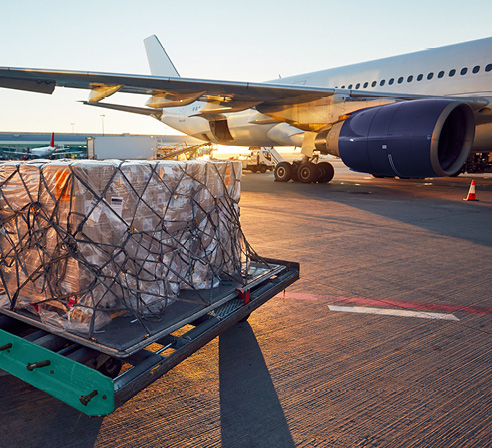
Yes. Multimodal solutions help maintain delivery timelines when reefer FCL is unavailable.
Multimodal Options
4. SEA + AIR
Ship from China to Dubai/Singapore → air freight to Portugal.
4. RAIL + TRUCK REEFER
Rail reefer to Poland or Germany → truck reefer to Portugal.
4. SEA + REEFER LCL
Useful when full-container reefer stock is depleted.
8. What Are Reefer FCL Costs for Medical Equipment from China to Portugal?
Prices vary depending on seasonality, port congestion, global reefer demand, and carrier fuel adjustments.
Typical Cost Components
| Cost Item | Description | Notes |
|---|---|---|
| Ocean Freight | Base carrier rate | Fluctuates weekly |
| EIS | Reefer equipment imbalance fee | Higher during shortages |
| THC | Terminal handling | Standard at POL/POD |
| Monitoring | Daily temperature supervision | For reefer only |
| Plug-in Charges | Electricity for reefer units | Applies at terminals |
| PSS | Peak season surcharge | Applies during high demand |
| BAF | Fuel cost adjustment | Monthly adjustment |
Understanding cost structure helps forecast total logistics budget.
9. What Customs Documents Are Required for Medical Equipment in Portugal?
Medical equipment imports must comply with EU regulations, so documentation accuracy is essential.
Customs Documents Checklist
| Document | Purpose | Notes |
|---|---|---|
| Commercial Invoice | Valuation | Must match packing list |
| Packing List | Cargo details | Required during inspection |
| Bill of Lading | Shipment release | Must state “reefer” |
| CE Certificate | EU compliance | Mandatory for medical equipment |
| Import License | Regulated items | Required for certain categories |
| Temperature Logs | Cold-chain validation | Required for some audits |
10. How to Maintain Cold Chain Integrity During Reefer Shortages?
Even when equipment supply is limited, strict procedures can ensure medical devices remain within safe temperature limits.
Cold Chain Best Practices
4. Pre-Cooling Containers Before Loading
Ensures stable temperature from the start.
4. Use Calibrated Data Loggers
Provides real-time temperature verification.
4. Tight Loading Pattern Control
Prevents air circulation blockages.
4. PTI (Pre-Trip Inspection) Verification
Ensures reefer machinery works properly.
Conclusion
Securing a reliable Reefer FCL container shortage solution for medical equipment from China to Portugal requires strategic planning, early booking, and strong cold-chain control. Moreover, using flexible routing, multimodal options, and multi-carrier booking dramatically increases success during shortage periods. With the right logistics partner, shippers can maintain temperature stability, prevent delays, and guarantee safe delivery of essential medical devices.
FAQ
1. How early should I secure reefer FCL space for medical equipment?
Booking 3–4 weeks in advance is recommended because shortages change quickly and early reservations help guarantee stable cold-chain protection.
2. Can medical equipment be shipped without using a reefer container?
Some devices can use insulation packaging; however, high-value or temperature-sensitive equipment should always travel in a reefer for safety and compliance.
3. What temperature settings are common for medical shipments?
Most medical devices require 2–25°C. Some specialized equipment requires higher precision and must use calibrated reefer units.
4. Are reefer containers always available in major China ports?
Availability varies, but Shanghai, Ningbo, and Qingdao offer the best chances. Flexibility in port choice increases success significantly.
5. Why does reefer pricing rise during container shortages?
Shortages trigger higher EIS fees, monitoring charges, plug-in costs, and peak-season surcharges due to increased demand and limited supply.