

- By ayla tj
- December 2, 2025
- Logistics Guide
Shipping auto parts internationally can be stressful, particularly when unexpected port fees disrupt budgets and delivery schedules. Importers relying on 40GP FCL demurrage prevention for auto parts from China to Spain often face challenges caused by congestion, incomplete documentation, and slow customs clearance. This guide explains practical strategies to avoid demurrage, reduce logistics risk, and optimize shipping efficiency.
1. What Is 40GP FCL Demurrage for Auto Parts and Why Does It Matter?

Demurrage occurs when a container stays at the terminal beyond its free time, leading to daily financial penalties. The 40GP container is widely used for auto parts due to its capacity and loading efficiency. However, any delay in clearance or pickup can immediately trigger penalties that accumulate rapidly. Moreover, demurrage directly affects profitability, especially for large auto parts shipments.
Why Demurrage Happens
- Late customs documentation
- Congested terminals in Spain
- Slow clearance for mixed-auto-part shipments
- Missed trucking appointments
- Unplanned warehouse unloading delays
Additionally, demurrage costs in Spain often rise sharply after the first few days, creating severe financial pressure.
2. How Does the 40GP FCL Auto Parts Shipping Process Work from China to Spain?
Understanding the full logistics chain helps identify potential delay points. Auto parts typically involve multiple HS codes and heavy-duty packaging, making seamless coordination crucial.
Typical FCL Process Flow
- Cargo pickup from supplier
- Container loading and sealing
- Export customs clearance in China
- Sea freight to Spain
- Arrival notice and customs declaration
- Terminal release
- Inland trucking to destination
- Unloading
- Container return to terminal
Because each step influences timing, importers must manage the supply chain proactively to avoid demurrage.
3. Why Do Auto Parts Shipments Face Higher Demurrage Risk?
Auto parts are diverse—ranging from small fasteners to engines, transmissions, and electrical modules. This diversity increases compliance requirements and inspection likelihood in Spanish ports.
Common Shipment Risk Factors
- Multiple HS codes triggering detailed review
- High-density pallet loads slowing inspection
- Engine-containing parts needing emissions documentation
- Randomized customs inspections for metal components
- Under-declared values flagging audits
Furthermore, Spain’s customs environment for automotive goods is stricter due to safety and regulatory obligations.
What are you waiting for?
Contact chinatopfreight for a fast, free quote.
Are you ready to book?
Access live instant freight quotes
4. What Documents Are Required to Prevent Demurrage in Spain?
Accurate documentation is one of the strongest defenses against delays. Missing or incorrect paperwork frequently results in shipment holds, inspections, or reprocessing, all contributing to demurrage exposure.
Table: Required Documentation Checklist
| Document | Mandatory | Notes |
|---|---|---|
| Commercial Invoice | Yes | Must detail auto parts and HS codes |
| Packing List | Yes | Include weight, dimensions, pallet count |
| Bill of Lading | Yes | Must match invoice and packing list |
| HS Codes | Yes | Incorrect codes trigger customs audits |
| Certificate of Origin | Conditional | For trade benefits or special programs |
| Import License | Sometimes | Required for specific auto components |
| CE/EPA Certificate | Sometimes | For engines or electronic equipment |
| Spanish Customs Declaration (DUA) | Yes | Submitted before release |
Additionally, consistent information across documents reduces inspection frequency and speeds clearance.
5. What Are the Transit Times for 40GP FCL Shipments from China to Spain?
Transit time planning is essential for demurrage prevention because it determines when documents must be prepared, when trucking should be scheduled, and when the warehouse must be ready.
Table: Transit Time by China Port → Spain
| Origin Port | Destination Port | Transit Time | Key Notes |
|---|---|---|---|
| Shanghai | Valencia | 30–34 days | High schedule reliability |
| Ningbo | Barcelona | 31–36 days | Ideal for medium-volume shipments |
| Qingdao | Valencia | 33–38 days | Good capacity for auto parts |
| Shenzhen | Barcelona | 28–32 days | Fastest southern route |
| Tianjin | Bilbao | 35–40 days | Longer inland transport |
Because these times vary with weather and capacity, importers should monitor sailing schedules weekly.
6. How Can You Prevent Demurrage for Auto Parts Delivered in a 40GP Container?
Proactive management is critical. Since demurrage is caused by delays at arrival, focusing on pre-arrival planning dramatically reduces risks.
Key Prevention Methods
- Submit all documents 3–5 days before vessel arrival
- Pre-clear Spanish customs during the vessel’s transit
- Confirm terminal free-time policies in advance
- Schedule trucking ahead of ETA
- Track container status daily
- Share shipping information with the warehouse early
- Prepare a contingency trucking plan
Moreover, clear communication with suppliers ensures documents arrive on time, preventing customs holds.
7. How Does Customs Clearance Influence Demurrage Prevention?
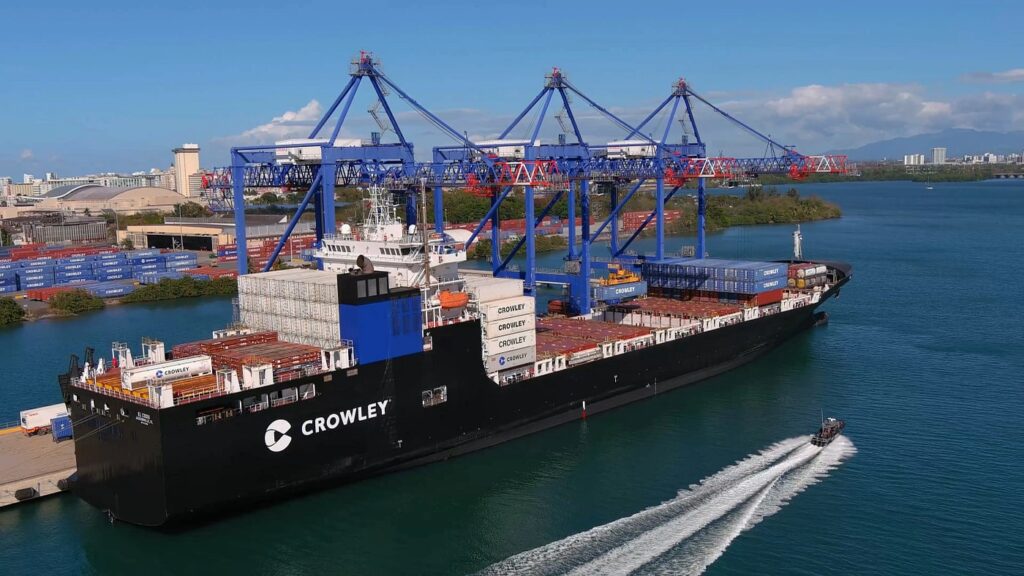
Auto parts often require deeper customs review due to their complexity. Incorrect classification or undervaluation frequently leads to red-channel inspections at Spanish ports, extending container dwell time.
Tips for Faster Customs Clearance
- Provide detailed HS code classification
- Include product photos when possible
- Ensure declared values are accurate
- Verify pallet labels match documentation
- Submit import declarations digitally
- Avoid changes or corrections after submission
Since customs delays are among the top causes of demurrage, early preparation is essential.
8. How Do Sea, Rail, and Air Freight Compare for Auto Parts Shipments?
Even though 40GP FCL is the focus, importers often evaluate alternative modes for urgent or high-value components.
Table: Comparison of Freight Options
| Method | Cost | Transit Time | Best Use Case | Pros | Cons |
|---|---|---|---|---|---|
| Sea Freight (40GP FCL) | $ | 28–40 days | Bulk shipments | Cost-efficient | Demurrage risk |
| Rail Freight | $$ | 20–25 days | Medium-volume shipments | Stable transit | Limited capacity to Spain |
| Air Freight | $$$$ | 3–7 days | Urgent deliveries | Fast and secure | Very high cost |
Because auto parts are often heavy and voluminous, sea freight remains the dominant choice.
9. What Is the Typical Cost Breakdown for Shipping Auto Parts in a 40GP FCL?
Costs vary depending on the season, carrier, and cargo type. Moreover, demurrage fees can quickly exceed normal logistics expenses if planning is inadequate.
Table: Estimated Cost Breakdown
| Cost Component | Range (USD) | Notes |
|---|---|---|
| Base Ocean Freight | $2,150–$3,350 | Depends on port and season |
| Export THC | $200–$300 | Charged at origin |
| Destination THC | $250–$350 | Spain terminal fee |
| Documentation | $50–$120 | BL, AMS, ISF |
| Customs Clearance | $150–$300 | Varies by HS code complexity |
| Trucking | $250–$650 | Distance dependent |
| Demurrage | $90–$180/day | After free time expiration |
Therefore, preventing demurrage is essential for maintaining shipment profitability.
10. What Should You Do Before Vessel Arrival to Avoid Demurrage?
Arrival-day planning is often the deciding factor between smooth operations and costly penalties.
Pre-Arrival Checklist
- Confirm ETA and final schedule
- Verify customs documents are filed
- Ensure duties and taxes are prepaid
- Assign a trucking carrier
- Prepare labor and equipment for unloading
- Confirm warehouse receiving hours
- Share arrival notice with internal teams
Additionally, planning container return routes helps avoid detention fees that often follow demurrage.
Conclusion
Effective demurrage prevention depends on accurate documentation, proactive planning, and seamless communication across the supply chain. By understanding how 40GP FCL demurrage prevention for auto parts from China to Spain works, importers can keep costs predictable, avoid financial penalties, and accelerate turnaround times. Moreover, leveraging digital tools, requesting extra free time, and preparing customs documentation early give businesses a significant advantage. For long-term stability and efficiency, partnering with a knowledgeable logistics provider ensures smooth, penalty-free operations.
FAQ
1. How many free days do Spanish ports provide for 40GP containers?
Spanish ports typically offer three to five free days, depending on the carrier and terminal. Importers should confirm terms early to avoid unexpected demurrage penalties.
2. Why do auto parts shipments face frequent customs inspections?
Auto parts involve diverse materials, electronics, and mechanical parts. This complexity increases the likelihood of customs checks, especially when HS codes or values require verification.
3. How can I avoid trucking delays that cause demurrage?
Book trucking appointments before arrival, confirm driver schedules, and maintain alternatives. Early coordination significantly reduces the risk of missed pickups or congestion-related delays.
4. Do tracking tools help reduce demurrage risk?
Yes. Tracking systems provide real-time container movement updates and port status alerts, allowing importers to prepare documents and labor earlier to prevent delays.
5. Why is pre-clearance recommended for Spain-bound auto parts?
Pre-clearing customs accelerates cargo release and allows immediate pickup once the vessel arrives. This strategy significantly cuts the risk of demurrage fees.