

- By ayla tj
- December 2, 2025
- Logistics Guide
Shipping temperature-sensitive or climate-controlled machinery requires precise planning and full logistics visibility. Importers handling renewable equipment, laboratory machinery, robotics, compressors, or industrial parts often rely on the Reefer FCL booking process for machinery from China to Illinois, yet many struggle with technical container settings, documentation, and U.S. compliance. This guide explains how to manage booking procedures efficiently and prevent costly delays across the entire supply chain.
1. What Is the Reefer FCL Booking Process for Machinery from China to Illinois?
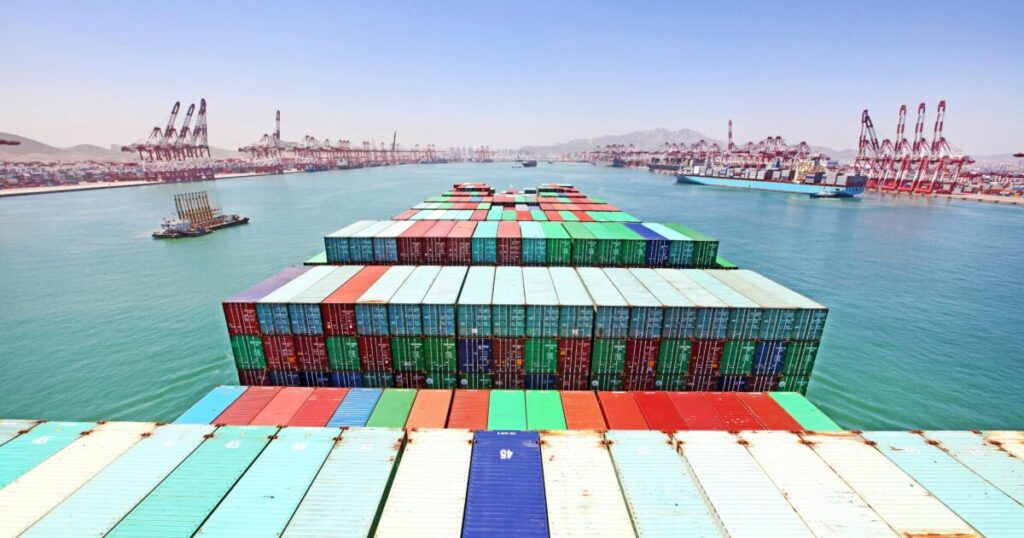
The reefer booking process involves securing a refrigerated full container load (FCL) with carriers, confirming temperature requirements, submitting documentation, and coordinating pre-trip inspections. Because machinery frequently contains sensitive electronics or temperature-dependent components, reefer containers ensure stable environmental conditions during long ocean transit.
Why Reefer Containers Are Used for Machinery
- Protect electronics from extreme heat or humidity
- Stabilize temperature during long voyages
- Prevent condensation damage
- Enable controlled airflow for sensitive components
- Ideal for machinery with rubber, chemicals, or adhesives
Moreover, because reefer equipment is limited, booking early is essential for guaranteed availability.
2. How Does the Reefer Container Work When Shipping Machinery to Illinois?
Reefer containers use insulated walls and electric cooling units to maintain a specific set temperature throughout the journey. Even though machinery is not always perishable, certain high-value equipment benefits from controlled humidity and consistent airflow.
Key Reefer Features
- Temperature settings from –30°C to +30°C
- Ventilation controls
- Humidity control options
- Constant power supply during shipping and terminal handling
- Sensors for temperature logging
Additionally, reefer units must undergo a pre-trip inspection (PTI) before loading.
3. What Steps Are Involved in Booking a Reefer FCL for Machinery?
Understanding each phase of the Reefer FCL booking process for machinery from China to Illinois helps importers avoid delays and improve cargo handling quality.
Typical Booking Steps
- Confirm machinery specifications and temperature needs
- Request availability from multiple carriers
- Receive freight quotations
- Submit booking form with cargo details
- Carrier confirmation and equipment release
- Pre-trip inspection (PTI) scheduling
- Container pickup and loading
- Export customs clearance
- Vessel sailing and transit
- U.S. customs clearance upon arrival
- Inland trucking to Illinois destination
Because every step affects the next, proactive communication is crucial.
What are you waiting for?
Contact chinatopfreight for a fast, free quote.
Are you ready to book?
Access live instant freight quotes
4. What Documents Are Required for Machinery Transportation in a Reefer FCL?
Timely submission of documents prevents customs delays and ensures smooth reefer container release at both origin and destination.
Table: Required Documents Checklist
| Document | Mandatory | Notes |
|---|---|---|
| Commercial Invoice | Yes | Include detailed machinery specifications |
| Packing List | Yes | Provide dimensions, weight, and pallet structure |
| Bill of Lading | Yes | Must match invoice and packing list |
| HS Codes | Yes | Correct classification prevents customs holds |
| Certificate of Origin | Sometimes | Required for preferential trade |
| EPA/FCC/Energy Compliance | Conditional | Needed for electronic machinery |
| Temperature/Humidity Requirements | Yes | Required before PTI |
| ISF Filing | Yes | Submit 24 hours before vessel loading |
Moreover, inconsistencies across documents often trigger additional inspections.
5. What Is the Transit Time for Reefer FCL Machinery Shipments from China to Illinois?
Transit time affects cargo readiness, reefer settings, and equipment scheduling.
Table: Transit Time from China Ports to Illinois (via U.S. East Coast)
| Origin Port | U.S. Entry Port | Total Transit Time | Notes |
|---|---|---|---|
| Shanghai | New York | 33–37 days | Stable East Coast route |
| Ningbo | Norfolk | 34–38 days | Good for mixed cargo |
| Shenzhen | Savannah | 32–36 days | Fastest route for Illinois drayage |
| Qingdao | New York | 35–40 days | Suitable for heavy machinery |
| Tianjin | Baltimore | 38–43 days | Extended inland trucking time |
After arrival, inland transport to Illinois usually takes an additional 3–6 days.
6. What Factors Influence the Reefer FCL Freight Rate for Machinery?
Pricing varies widely depending on global demand, reefer container supply, and energy costs.
Key Factors
- Temperature requirements (colder settings cost more)
- Distance from supplier to origin port
- Seasonal peak demand for reefer units
- Carrier availability
- Cargo weight and dimensions
- Port congestion levels
- U.S. inland trucking prices
- Market fluctuations in shipping costs
Additionally, machinery that requires strict humidity control increases energy consumption, affecting the freight rate.
7. How Should You Prepare Machinery for Reefer FCL Shipping?
Machinery must be loaded safely to avoid vibration, condensation, and damage during the voyage.
Best Preparation Practices
- Use shock-absorbent pallets
- Apply anti-corrosion film for metal components
- Seal sensitive parts against moisture
- Add silica packets for humidity control
- Label all fragile sections clearly
- Use wooden or steel bracing inside the reefer
Moreover, proper packaging helps the equipment withstand long transit, temperature fluctuations, and handling risks.
8. How Does Reefer FCL Compare to Standard FCL or Air Freight for Machinery?
Choosing the correct mode of transportation affects cost, transit time, and cargo safety.
Table: Shipping Method Comparison
| Method | Cost | Transit Time | Best For | Pros | Cons |
|---|---|---|---|---|---|
| Reefer FCL | $$ | 30–40 days | Sensitive machinery | Controlled temperature | High equipment cost |
| Standard FCL | $ | 30–40 days | General machinery | Lowest ocean cost | No climate control |
| Air Freight | $$$$ | 3–7 days | Urgent or high-value equipment | Fast & secure | Very expensive |
| Rail Freight | $$ | 20–25 days | East–West movement | Balanced cost/time | Limited Illinois connections |
Since Illinois is inland, reefer FCL combined with efficient drayage remains cost-effective.
9. How Can You Reduce the Reefer FCL Freight Rate for Machinery?
Reefer shipping can be expensive, but smart planning helps control costs.
Cost-Saving Strategies
- Book 2–3 weeks in advance
- Avoid peak seasons (Q3/Q4)
- Consolidate machinery components
- Choose the nearest China port for pickup
- Share temperature requirements early
- Compare multiple carrier quotes
- Request longer free time at terminals
Additionally, accurate temperature settings prevent energy surcharges.
10. What Are the Common Challenges in the Reefer FCL Booking Process?
Reefer equipment is highly technical, requiring careful coordination among suppliers, carriers, and warehouses.
Major Challenges
- Limited reefer equipment availability
- Errors in temperature settings
- PTI delays at origin ports
- High season surcharges
- Customs holds for electronic parts
- Inland trucking shortages in Illinois
- Power fluctuations at terminals
Furthermore, reefer breakdowns are rare but must be monitored with temperature logs.
Conclusion
Managing the Reefer FCL booking process for machinery from China to Illinois requires detailed planning, proper documentation, and comprehensive coordination with carriers and warehouses. Moreover, understanding technical reefer settings, PTI procedures, and inland logistics helps importers reduce risk and protect valuable equipment. With early booking, optimized packaging, and strong visibility tools, businesses can improve reliability and control freight costs. For long-term efficiency, partnering with an experienced logistics provider ensures smooth temperature-controlled shipping from China to Illinois.
FAQ
1. How far in advance should I book a reefer FCL container?
Book at least two to three weeks early because reefer units are limited. Early scheduling ensures equipment availability and avoids peak-season shortages.
2. Do reefer containers protect machinery from humidity?
Yes. Reefer units maintain stable humidity and airflow. Proper packaging, anti-moisture materials, and accurate temperature settings further protect sensitive machinery.
3. Are pre-trip inspections required for reefer machinery shipments?
Yes. PTI confirms that the reefer unit can maintain programmed temperatures. Early scheduling helps avoid delays during vessel cutoff periods.
4. Does machinery require special customs documentation in the U.S.?
Certain machinery requires EPA, FCC, or energy certificates. Providing complete documents before arrival reduces customs inspections and speeds up release.
5. Can reefer FCL shipping reduce machinery damage?
Yes. Controlled temperature and humidity help protect electronics, metals, and sensitive materials. Packaging enhancements further minimize vibration and moisture exposure.