

- By ayla tj
- December 2, 2025
- Logistics Guide
Finding the 20GP FCL best route for hardware tools from China to France is essential for importers who want predictable transit times, stable freight rates, and secure container handling. However, rising cargo volumes and port congestion often make route planning more challenging. This comprehensive guide explains the best shipping lanes, customs steps, costs, and container strategies to ensure your hardware tools arrive safely and efficiently.
1. What Is the Best 20GP FCL Route for Hardware Tools from China to France?
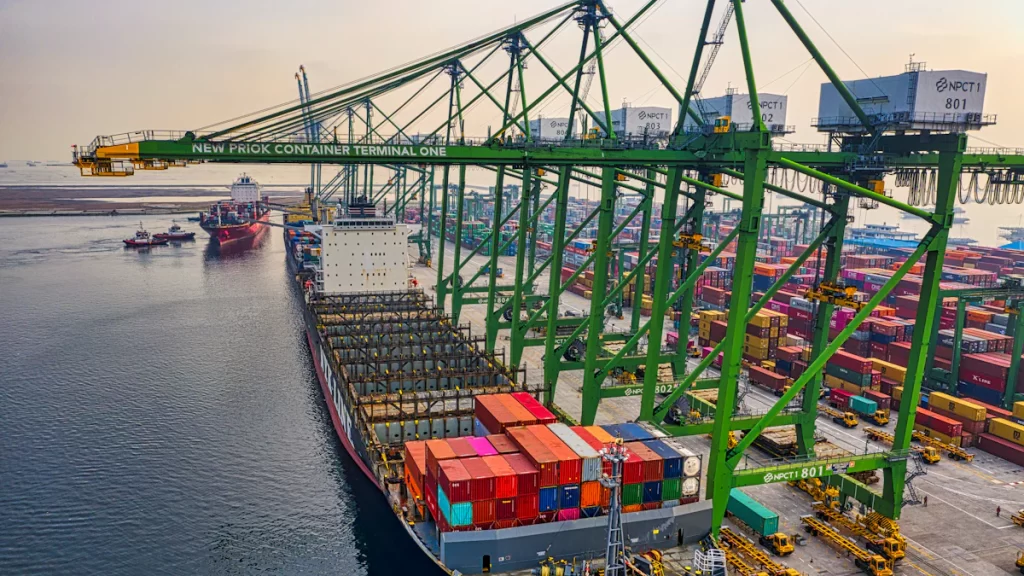
The most reliable 20GP FCL route typically follows the major Asia–Europe ocean lanes, leveraging large hub ports to ensure sufficient vessel frequency and smooth transshipment. Moreover, hardware tools are dense, heavy, and often packed in cartons or crates, which makes the 20GP container ideal.
Best Primary Route
Shanghai / Ningbo → Singapore / Tanjung Pelepas → Le Havre / Fos-sur-Mer
Because these ports offer consistent vessel schedules, carriers maintain strong availability even during peak seasons.
Alternative Ports for Flexibility
- Qingdao
- Tianjin
- Shenzhen (Yantian or Shekou)
- Xiamen
Selecting flexible loading ports improves space availability and reduces the risk of rolled shipments.
2. Why Use a 20GP Container for Hardware Tools?
Hardware tools—such as drills, wrenches, power tools, and fasteners—are dense and relatively compact. Therefore, 20GP containers maximize weight capacity without wasting space.
Advantages of 20GP FCL
- Higher weight limit
- Better for dense cargo
- Faster to load and unload
- Lower risk of over-capacity surcharges
Because hardware tools often weigh more per cubic meter than typical consumer goods, a 20GP is the most cost-effective option.
3. How Long Does 20GP FCL Shipping from China to France Take?
Transit time varies depending on port pair, carrier selection, and transshipment stops. However, most shipments fall within a predictable range.
Typical Transit Time Ranges
| China Port | France Port | Transit Time | Notes |
|---|---|---|---|
| Shanghai → Le Havre | 32–38 days | Fastest and most stable | |
| Ningbo → Fos-sur-Mer | 34–40 days | Good feeder connections | |
| Shenzhen → Le Havre | 36–42 days | Longer due to routing | |
| Qingdao → Le Havre | 35–45 days | Transshipment required |
Additionally, weather patterns and congestion at European hubs can add 3–7 extra days.
What are you waiting for?
Contact chinatopfreight for a fast, free quote.
Are you ready to book?
Access live instant freight quotes
4. What Factors Influence Transit Time for Hardware Tools?
Transit time depends on multiple components related to carrier reliability and port operations. Moreover, European peak seasons can significantly affect unloading schedules.
Key Influencing Factors
- Transshipment delays
- Port congestion
- Carrier schedule reliability
- Documentation completeness
- Loading day vs vessel departure gap
5. What Shipping Method Is Best for Hardware Tools to France?
Although FCL is the preferred solution for hardware tools, comparing alternatives helps importers select the best method for their situation.
Shipping Method Comparison
| Method | Cost | Transit Time | Best For | Pros | Cons |
|---|---|---|---|---|---|
| FCL Shipping | $$ | 32–42 days | Bulk hardware tool shipments | Low cost per unit | Slow vs air |
| Air Freight | $$$$ | 3–7 days | Urgent tool replenishment | Fastest | Highest freight cost |
| LCL Shipping | $ | 35–55 days | Small orders | Flexible quantity | Higher damage risk |
| Rail Freight | $$$ | 20–28 days | Higher-value hardware | Faster than sea | Limited direct service |
Because France is well-connected through major European gateways, FCL remains the most stable option.
6. What Are the Best Origin Ports in China for Hardware Tool Exports?
Hardware tools are produced in regions like Zhejiang, Guangdong, and Shandong, so choosing the nearest efficient port helps minimize domestic transportation.
Recommended Export Ports
- Ningbo – best for Yiwu, Wenzhou, Jinhua suppliers
- Shanghai – large availability and stable sailing
- Shenzhen/Yantian – ideal for Guangdong factories
- Qingdao – good for northern suppliers
By selecting ports with strong vessel frequency, importers improve booking success and reduce domestic trucking costs.
7. Which French Ports Offer the Fastest and Most Reliable Entry?

France has multiple entry points for containerized hardware tools, yet some offer better handling capacity and customs clearance speed.
Best Entry Ports
- Le Havre – largest port, fastest clearance
- Fos-sur-Mer (Marseille) – strong feeder services
- Dunkirk – lower congestion but fewer sailings
Most importers choose Le Havre due to its established infrastructure and reliable inland distribution network.
8. What Documents Are Required for Smooth Hardware Tool Imports into France?
Accurate documentation reduces customs delays and prevents unexpected inspections. Additionally, hardware tools must comply with EU standards.
Customs Documents Checklist
| Document | Purpose | Notes |
|---|---|---|
| Commercial Invoice | Valuation | Must list tool specifications |
| Packing List | Cargo breakdown | Include weight and dimensions |
| Bill of Lading | Cargo release | Telex release recommended |
| CE Certification | Compliance | Required for power tools |
| EORI Number | EU importer ID | Mandatory for clearance |
| HS Codes | Classification | Tools often fall under 8205 or 8467 |
Having all documents prepared 2–3 days before vessel arrival is essential.
9. How Much Does 20GP FCL Shipping Cost for Hardware Tools?
Freight costs fluctuate based on season and carrier market conditions. However, hardware tools typically incur few accessorial charges.
Estimated Cost Breakdown
| Cost Component | Estimated Cost | Notes |
|---|---|---|
| Ocean Freight | $1,200–$2,500 | Varies by carrier and season |
| THC China | $120–$200 | Standard fees |
| THC France | €180–€320 | Port-based |
| Customs Brokerage | €80–€150 | Required for importers |
| Tariffs | 2–6% of cargo value | Depends on HS code |
Moreover, hardware tools are less fragile, so additional protection fees are rarely necessary.
10. What Is the Optimal Route Strategy for France-Bound Hardware Tools?
Choosing the best route involves balancing speed, cost, and carrier reliability. Due to Europe’s transshipment structure, selecting high-frequency lanes is essential.
Recommended Routing Strategy
- Choose a major China port (Shanghai, Ningbo, Shenzhen).
- Select a transshipment hub with strong connections (Singapore, Tanjung Pelepas).
- Ship to Le Havre for faster European distribution.
- Move inland by truck or rail to warehouses in Paris, Lille, or Lyon.
This strategy minimizes delays and ensures predictable arrivals.
Conclusion
Choosing the 20GP FCL best route for hardware tools from China to France requires balancing cost, transit time, and carrier dependability. Because hardware tools are heavy and dense, the 20GP container remains the optimal choice, offering better efficiency and cost savings. By selecting reliable ports, preparing documentation early, and choosing strong carrier routes, importers can enjoy predictable delivery schedules and reduced logistics risks. With the right freight partner, the entire import process—from booking to inland delivery—becomes smooth and efficient.
FAQ
1. Which Chinese port offers the fastest route for hardware tools to France?
Shanghai generally provides the fastest and most frequent sailings, although Ningbo often offers more stable spacing and better container availability for exporters.
2. Are 20GP containers enough for heavy hardware tool shipments?
Yes, the 20GP container is ideal because hardware tools are weight-dense. It allows maximum weight capacity without paying for empty volume.
3. Do hardware tools require special documentation for import into France?
Only certain tools, such as electrical or powered devices, require CE certification. Basic tools normally require standard invoices, packing lists, and HS codes.
4. How early should I book a 20GP container during peak seasons?
Booking 2–3 weeks earlier than normal helps avoid space shortages, vessel rollovers, and holiday-related delays, especially during summer peak and Q4.
5. Which French port is most efficient for clearing hardware tools?
Le Havre is the most commonly used port due to its strong customs capacity and excellent inland distribution connections to major French cities.